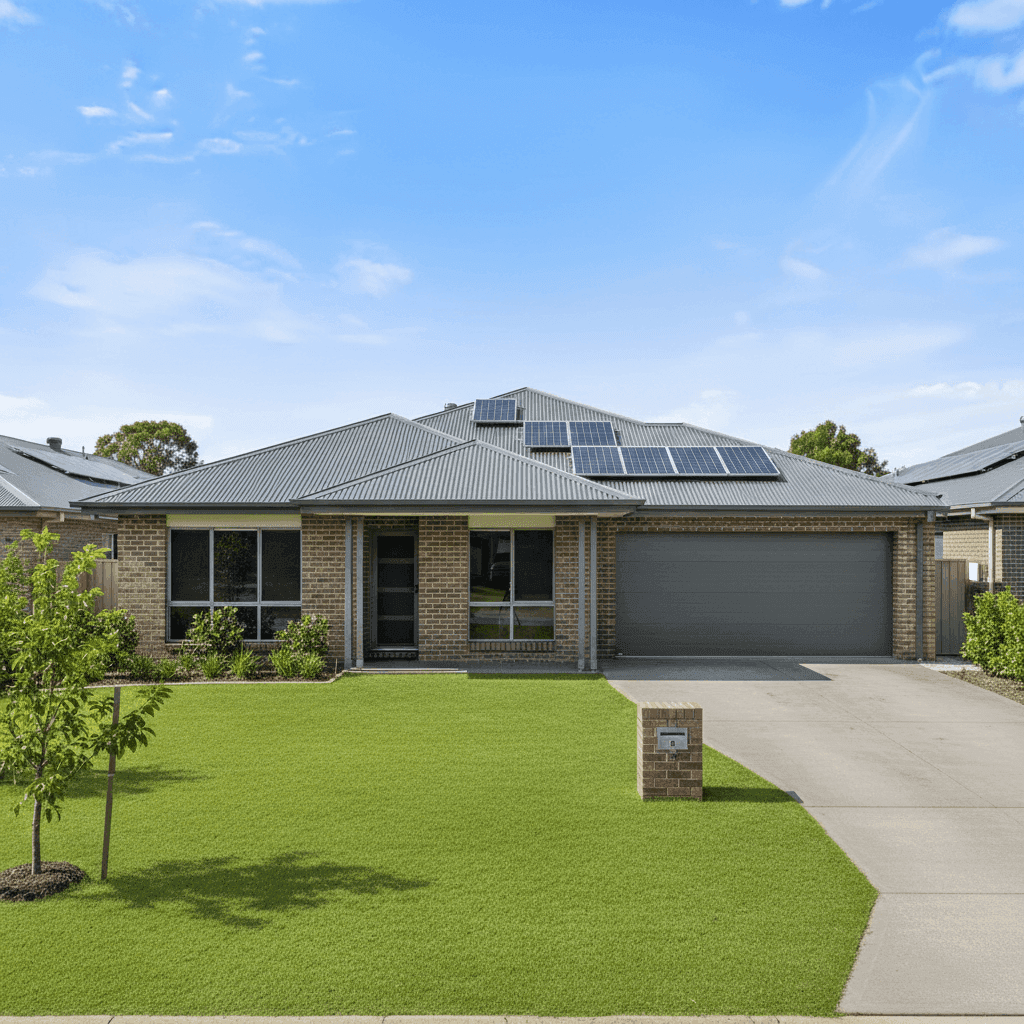
Burnett Heads is a relaxed coastal community sitting at the mouth of the Burnett River, just north of Bundaberg in Queensland. It's the kind of suburb where free standing homes dominate the streetscape — and where getting the right building insurance at a fair price genuinely matters. This article takes a close look at a recent building-only insurance quote for a 4-bedroom, 2-bathroom free standing home in Burnett Heads (QLD 4670), and unpacks what the numbers really mean for local homeowners.
---
Is This Quote Fair?
The short answer: yes — and then some. The quoted annual premium of $897 per year (or $88 per month) has been rated CHEAP, meaning it sits well below the average for comparable properties in the area. For a building-only policy with a $300,000 sum insured, that's a genuinely competitive outcome.
To put it in perspective, the suburb median premium in Burnett Heads sits at $3,511 per year, meaning this quote comes in at roughly 74% below the local median. Even against the suburb's 25th percentile — the point at which only one in four quotes are cheaper — the figure of $2,686 per year is still nearly three times higher than what's been quoted here.
It's worth noting that the suburb average premium is a striking $32,116 per year, which is heavily skewed by a small number of very high-premium outliers in a sample of just 25 quotes. The median is a far more reliable benchmark for most homeowners, and against that measure, this quote is exceptional value.
The building excess is set at $4,000, which is on the higher side and contributes to the lower premium — insurers typically reward policyholders who agree to carry more of the initial risk themselves. If you'd prefer a lower excess, expect the annual premium to rise accordingly.
---
How Burnett Heads Compares
Understanding how local premiums sit relative to broader benchmarks helps you gauge whether you're being priced fairly. Here's how Burnett Heads stacks up:
| Benchmark | Average Premium | Median Premium |
|---|---|---|
| Burnett Heads (QLD 4670) | $32,116/yr | $3,511/yr |
| Queensland | $9,129/yr | $3,903/yr |
| National | $5,347/yr | $2,764/yr |
You can explore the full data on the Burnett Heads suburb insurance stats page, the Queensland state overview, or the national insurance statistics.
A few things stand out here. The Burnett Heads suburb average is dramatically higher than both the state and national averages — a reflection of the coastal location, proximity to waterways, and the elevated risk profile that some properties in the area carry. However, the suburb median of $3,511 is actually slightly below the Queensland median of $3,903, suggesting that for typical homes in the area, premiums are broadly in line with state norms.
Queensland as a whole carries some of the highest home insurance premiums in the country, driven by cyclone exposure, flooding, and severe storm risk across much of the state. Nationally, the median sits at $2,764 — lower than both Queensland and Burnett Heads figures, reinforcing that QLD homeowners generally pay a premium for the climate risks that come with living in the Sunshine State.
---
Property Features That Affect Your Premium
Several characteristics of this particular property work in the homeowner's favour when it comes to insurance pricing.
Brick Veneer Construction & Colorbond Roof Brick veneer external walls paired with a steel/Colorbond roof is a well-regarded combination from an insurer's perspective. Colorbond roofing is durable, resistant to corrosion, and performs well in high-wind and hail events. Brick veneer offers solid fire resistance. Together, these materials typically attract more favourable premiums compared to weatherboard or fibro construction.
Concrete Slab Foundation A slab foundation is considered low-risk by most insurers. It offers good structural stability and is less susceptible to issues like subfloor moisture, pest ingress, or subsidence compared to older pier-and-beam setups.
Tiled Flooring Tiles throughout the home are another positive signal — they're durable, water-resistant, and easy to replace in sections if damage occurs. This reduces the potential cost of a claim compared to hardwood or carpet flooring.
Relatively New Build (2018) A construction year of 2018 means this home is only around seven years old. Newer builds are generally constructed to more stringent building codes, use modern materials, and are less likely to have ageing infrastructure issues (think old wiring or deteriorating plumbing). Insurers tend to view newer homes favourably.
Solar Panels The property has solar panels installed, which do add a modest layer of complexity to a building policy — they need to be covered under the building sum insured and can be costly to replace if damaged by hail or storm. However, they're a common feature in Queensland homes and most standard building policies accommodate them.
Ducted Climate Control Ducted air conditioning is a fixed building feature and is typically included under building cover. It's a higher-value fitting that contributes to the overall replacement cost, so it's important that the sum insured of $300,000 adequately reflects the full rebuild cost including this system.
No Pool The absence of a pool removes one potential liability and maintenance risk factor, which can subtly influence pricing.
---
Tips for Homeowners in Burnett Heads
1. Regularly review your sum insured Construction costs have risen significantly across Australia in recent years. A sum insured of $300,000 for a 214 sqm home built to standard fittings quality may be appropriate today, but it's worth reassessing annually. Underinsurance is one of the most common — and costly — mistakes homeowners make. Use a building cost calculator or speak with a quantity surveyor if you're unsure.
2. Understand your excess before you commit The $4,000 building excess on this policy is higher than average. That means in the event of a claim, you'll be out of pocket for the first $4,000 of any repair. If that feels uncomfortable, request a quote with a lower excess — just be prepared for the annual premium to increase. Finding the right balance between excess and premium is a personal financial decision.
3. Don't assume your cheapest quote is always the best This quote is priced well below the local median, which is great — but cheapest doesn't always mean best. Read the Product Disclosure Statement (PDS) carefully to understand what's included, what's excluded, and whether features like storm damage, accidental damage, or temporary accommodation are covered.
4. Check whether your solar panels are fully covered Solar panel systems can cost $5,000–$15,000 or more to replace. Confirm with your insurer that the panels are explicitly covered under your building policy and that your sum insured accounts for their replacement value. Some policies have specific conditions or sub-limits for solar systems.
---
Compare Quotes and Find Better Value
Whether you're renewing your policy or shopping around for the first time, comparing multiple quotes is the single most effective way to make sure you're not overpaying. CoverClub makes it easy to see what's available for your specific property and location — no jargon, no pressure. Get a home insurance quote today and find out how your current premium stacks up.