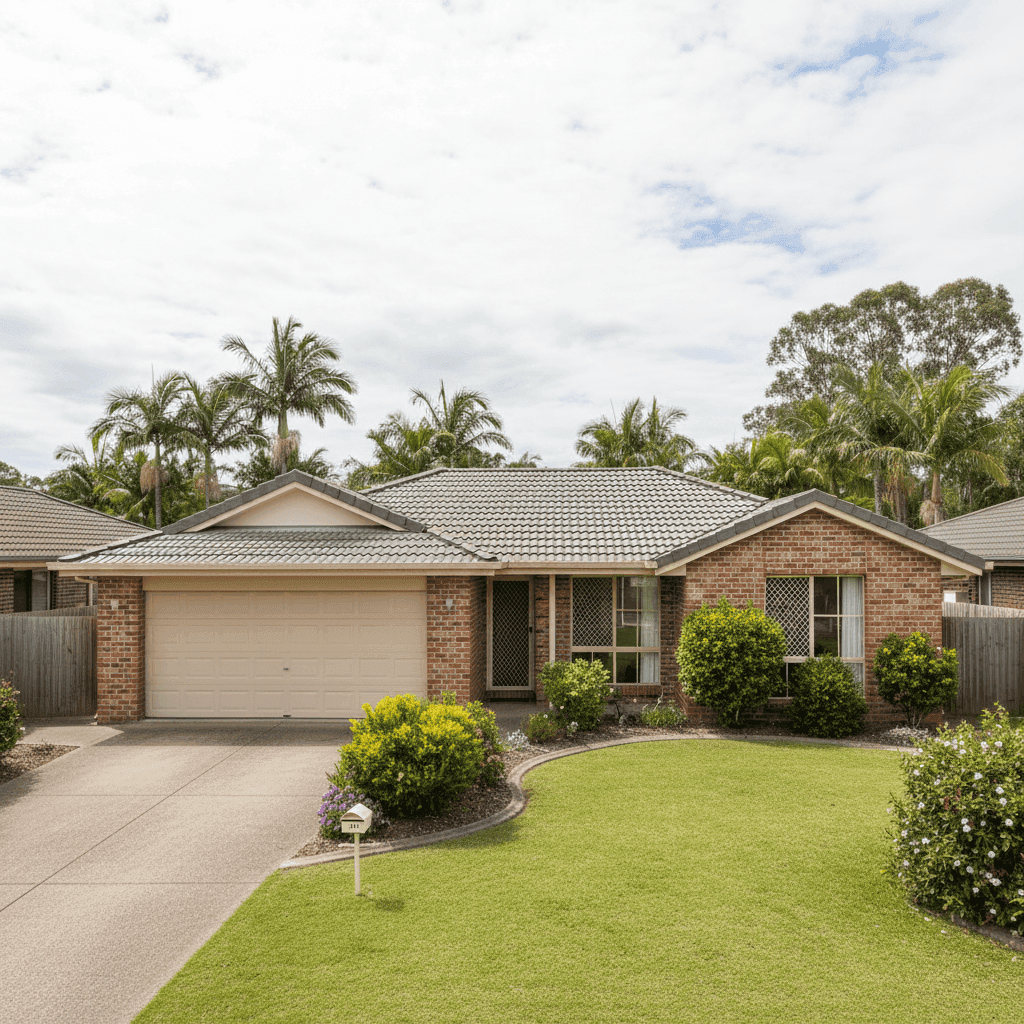
Burpengary is a well-established suburb in the Moreton Bay region, sitting roughly 35 kilometres north of Brisbane's CBD. Known for its family-friendly streets and mix of older and newer residential properties, it's the kind of suburb where a solid brick veneer home on a slab is a common sight. If you own a free standing home here and you're wondering whether your insurance premium is reasonable, this analysis breaks down a real quote — and puts it in context against local, state, and national benchmarks.
---
Is This Quote Fair?
The short answer: yes — and then some. This quote comes in at $1,405 per year (or around $149 per month) for combined home and contents cover on a 3-bedroom, 2-bathroom property with a building sum insured of $567,000 and contents valued at $70,000.
Our pricing tool rates this as CHEAP — Below Average, meaning it sits comfortably below what most comparable properties in Burpengary are paying. To put that in perspective, the suburb average for similar homes is $1,899/year, and the median sits at $1,741/year. Even the 25th percentile — the cheapest quarter of quotes in the area — comes in at $1,470/year, which is still higher than this quote.
In other words, this premium is beating the majority of quotes we've seen for Burpengary. That's a meaningful saving, particularly when you factor in the relatively comprehensive level of cover on offer.
It's worth noting the excess structure: the building excess is $4,000 and the contents excess is $1,000. A higher building excess is one of the most common levers insurers use to reduce annual premiums, so if you're comparing quotes, always check the excess alongside the headline price. A cheaper premium with a steep excess isn't always the better deal.
---
How Burpengary Compares
Zooming out reveals just how favourable Burpengary's insurance costs are relative to the broader market. Here's how this quote stacks up:
| Benchmark | Annual Premium |
|---|---|
| This quote | $1,405 |
| Burpengary suburb average | $1,899 |
| Burpengary suburb median | $1,741 |
| Moreton Bay LGA average | $3,435 |
| QLD state average | $9,129 |
| QLD state median | $3,903 |
| National average | $5,347 |
| National median | $2,764 |
The contrast with Queensland's state average is striking. At $9,129/year, the QLD average is more than six times the cost of this quote. That figure is heavily skewed by high-risk coastal and cyclone-prone areas across Far North Queensland, where premiums can be eye-watering. You can explore the full picture on our Queensland insurance stats page or dive into the national overview.
For Burpengary specifically, sitting in the Moreton Bay LGA and well outside cyclone risk zones, homeowners benefit from a much more moderate risk profile. The Burpengary suburb stats page shows the full distribution of quotes we've collected for the area — useful context if you want to see exactly where your own premium lands.
---
Property Features That Affect Your Premium
Several characteristics of this property work in the homeowner's favour from an underwriting perspective.
Brick veneer construction is generally viewed positively by insurers. It offers good fire resistance and structural durability, which reduces the likelihood of a total loss claim. Compared to weatherboard or timber-framed homes, brick veneer tends to attract lower premiums.
Tiled roofing is another favourable feature. Tiles are durable, fire-resistant, and less susceptible to storm damage than some alternative materials like metal sheeting or Colorbond in certain weather conditions. They're a common choice on homes of this era and are well-regarded by underwriters.
Slab foundation is the standard for Queensland homes built from the 1980s onwards and doesn't typically flag any additional risk. It's a neutral-to-positive factor in most assessments.
The 1988 construction year places this home in a generation of builds that used solid, reliable materials — but it also means the property is now approaching 40 years old. Older homes can attract slightly higher premiums if insurers factor in the cost of replacing period-specific fittings or updating electrical and plumbing systems. With standard fittings quality, this home avoids the premium uplift that can come with high-end or bespoke finishes.
The 139 sqm building size is modest for a 3-bedroom home, which helps keep the sum insured at a manageable level. The $567,000 building sum insured reflects current rebuild costs, which have risen significantly across Australia in recent years due to construction inflation — so it's worth reviewing this figure annually to ensure you're not underinsured.
The absence of a pool, solar panels, and ducted climate control also simplifies the risk profile. Each of those features can add to both the sum insured and the complexity of a claim.
---
Tips for Homeowners in Burpengary
1. Review your building sum insured every year. Construction costs have climbed sharply since 2020. If your sum insured hasn't kept pace, you could be underinsured — meaning you'd face a shortfall in the event of a total loss. Use a building cost calculator or ask your insurer to reassess the replacement value annually.
2. Understand your excess before you commit. This policy carries a $4,000 building excess. That's on the higher end and is part of why the premium is so competitive. Consider whether you could comfortably cover that out of pocket in a claim scenario. If not, it may be worth paying a slightly higher premium for a lower excess.
3. Don't set and forget your contents value. $70,000 is a reasonable starting point, but contents values can creep up over time as you accumulate furniture, appliances, electronics, and clothing. Do a quick room-by-room audit every year or two to make sure you're not underinsured on the contents side.
4. Compare quotes at renewal, not just when you first buy. Insurers don't always reward loyalty. Premiums can shift significantly from year to year, and a quote that was competitive 12 months ago may no longer be the best available. Shopping around at renewal is one of the simplest ways to keep your costs down.
---
Ready to Compare?
Whether you're a first-time buyer or a long-time Burpengary resident, it pays to know where your premium stands. Get a home insurance quote at CoverClub and see how your property compares against real data from your suburb, your LGA, and across Queensland. It takes minutes, and the savings can be significant.