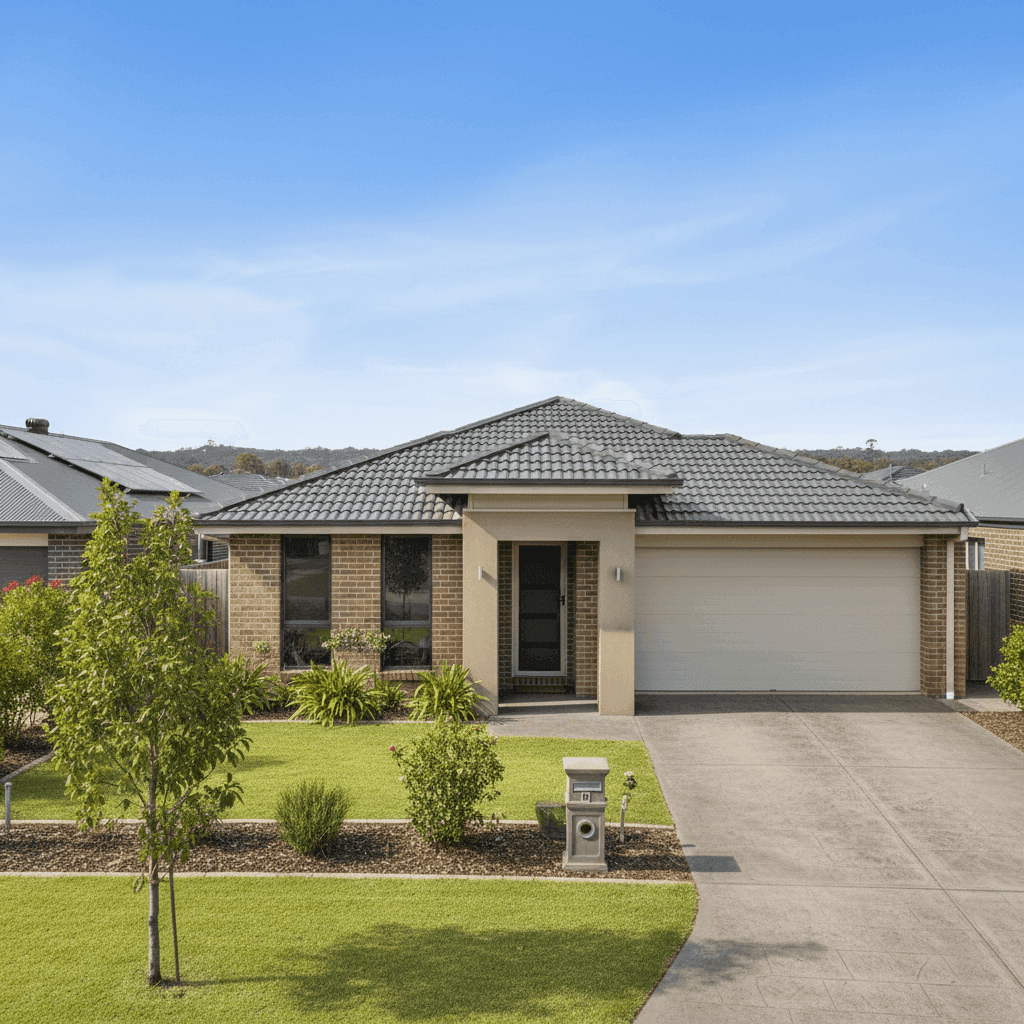
Burpengary is a well-established residential suburb in the Moreton Bay region, sitting roughly 40 kilometres north of Brisbane. Known for its family-friendly streets and a mix of newer builds and established homes, it's a popular choice for homeowners looking for space without straying too far from the city. If you own a free standing home here — or you're thinking about it — understanding what you should be paying for home and contents insurance is a smart first step.
This article breaks down a real insurance quote for a three-bedroom, two-bathroom free standing home in Burpengary, and puts it in context against local, state, and national benchmarks.
---
Is This Quote Fair?
The annual premium for this property came in at $778 per year (or about $74 per month), covering both building (insured for $525,000) and contents ($65,000). Our price rating for this quote is CHEAP — below average — and the data backs that up convincingly.
The suburb average for Burpengary sits at $1,899 per year, with a median of $1,741. That means this quote is coming in at less than half the typical price paid by other homeowners in the same postcode. Even compared to the 25th percentile — the cheapest quarter of quotes in the suburb — at $1,470 per year, this result is still significantly lower.
Put simply, if you received a quote like this, you'd be getting a genuinely competitive deal. It's the kind of result that's worth locking in, provided the policy terms and coverage levels suit your needs.
---
How Burpengary Compares
To understand just how well-priced this quote is, it helps to zoom out and look at the broader picture.
| Benchmark | Annual Premium |
|---|---|
| This Quote | $778 |
| Burpengary Suburb Average | $1,899 |
| Burpengary Suburb Median | $1,741 |
| Moreton Bay LGA Average | $3,435 |
| QLD State Average | $9,129 |
| QLD State Median | $3,903 |
| National Average | $5,347 |
| National Median | $2,764 |
The Queensland state average of $9,129 per year is heavily skewed by high-risk coastal and cyclone-prone areas in Far North Queensland, where premiums can be extraordinarily high. The median of $3,903 is a more realistic representation of what many Queenslanders pay — and even that figure is five times higher than this quote.
Looking at the national picture, the average premium of $5,347 reflects the influence of flood zones, bushfire corridors, and cyclone regions across the country. The national median of $2,764 is again a more grounded comparison point — and still more than three times this quote.
Burpengary itself sits in a relatively moderate-risk zone within Queensland, which helps explain why local premiums are far more reasonable than the state average. The suburb's inland location, away from the coast and outside designated cyclone risk areas, keeps premiums in check compared to many other Queensland postcodes.
---
Property Features That Affect Your Premium
Several characteristics of this property work in the homeowner's favour when it comes to pricing.
Construction year (2017): A relatively modern build means the home was constructed to contemporary building codes, which generally translates to better structural resilience and fewer maintenance-related risks. Insurers tend to view newer homes more favourably than ageing properties.
Brick veneer external walls: Brick veneer is one of the most common wall types in Australian suburban homes and is well-regarded by insurers. It offers solid fire resistance and durability, which can positively influence premiums compared to timber-framed or clad exteriors.
Tiled roof: Terracotta or concrete tiles are a standard roofing choice in Queensland and are generally considered low-risk by insurers — especially compared to older materials like asbestos sheeting or ageing corrugated iron.
Slab foundation: A concrete slab is a stable and widely accepted foundation type. It's less susceptible to certain subsidence issues and is typically viewed as a neutral-to-positive factor in premium calculations.
No pool, no solar panels: While both are common additions in Queensland homes, they do add complexity and potential liability to a policy. The absence of these features keeps the risk profile clean and straightforward.
No cyclone risk designation: This is a meaningful factor in Queensland. Properties in cyclone-rated zones — particularly in Far North QLD — can attract dramatically higher premiums. Being outside that zone is a significant pricing advantage.
The $2,000 building excess and $600 contents excess are on the higher end of the typical range, which will have contributed to the lower annual premium. It's worth ensuring these excess levels are manageable in the event of a claim.
---
Tips for Homeowners in Burpengary
1. Don't assume your current insurer is competitive. Even if you've been with the same insurer for years, the market changes. With suburb averages sitting near $1,900, a quote under $800 represents real savings — but only if you're actively comparing. Use a comparison platform like CoverClub to benchmark your current policy.
2. Review your sum insured regularly. Building costs have risen significantly across Australia in recent years. A home insured for $525,000 today may cost more to rebuild in two or three years. Check your sum insured annually and consider whether it still reflects realistic reconstruction costs, not just market value.
3. Understand your excess before you claim. A $2,000 building excess is a meaningful out-of-pocket cost. Make sure you have that amount accessible in an emergency fund, and consider whether adjusting your excess (which will affect your premium) makes sense for your financial situation.
4. Keep your home well-maintained. Insurers can reduce or deny claims where poor maintenance contributed to the damage. Regular roof inspections, clearing gutters, and addressing any drainage issues around your slab foundation are all worthwhile habits — and they protect the investment your insurance is there to cover.
---
Compare Your Home Insurance Today
Whether you're renewing soon or just curious about what you should be paying, CoverClub makes it easy to see how your premium stacks up. Our suburb-level data gives you real context — not just a generic estimate. Get a quote and compare home and contents insurance for your Burpengary property today.