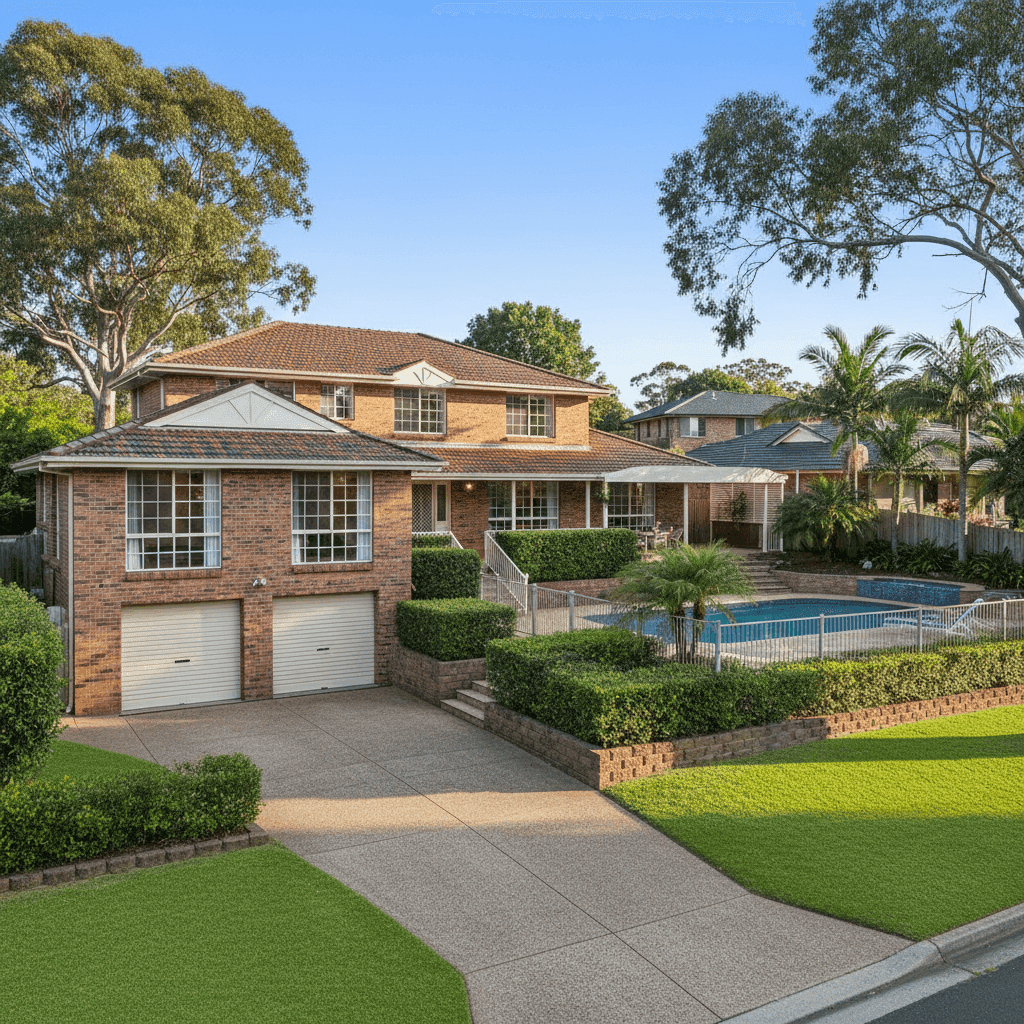
Burraneer is one of Sydney's most sought-after waterside suburbs, sitting on a leafy peninsula in the Sutherland Shire with direct access to Port Hacking. It's the kind of address that comes with stunning views, generous block sizes — and, inevitably, a home insurance premium to match. This article breaks down a real quote for a five-bedroom, free-standing home in Burraneer (NSW 2230), rated Expensive (Above Average), and helps you understand exactly what's driving that number.
---
Is This Quote Fair?
The quote in question sits at $4,913 per year (or $471 per month) for combined home and contents cover, with a building sum insured of $1,901,000 and contents valued at $245,000. Both the building and contents excess are set at $2,000.
At first glance, nearly $5,000 a year sounds steep — and our pricing data confirms it: this quote has been rated Expensive, meaning it sits above average for the area. But context matters enormously in insurance, and there's quite a bit going on here.
The building sum insured of $1.9 million is the most significant factor. This isn't a modest suburban home — it's a large, 315 sqm property with above-average fittings, a pool, and ducted climate control. Rebuilding a home of this specification in today's construction market is genuinely expensive, and insurers price accordingly. The sum insured alone places this property in a tier well above the typical Burraneer quote in our dataset.
That said, being rated expensive doesn't necessarily mean you're being overcharged — it means there's likely room to shop around and potentially find a more competitive rate for the same level of cover.
---
How Burraneer Compares
Understanding where this quote sits relative to the broader market is key to assessing value. Here's how the numbers stack up:
| Benchmark | Premium |
|---|---|
| This quote | $4,913/yr |
| Burraneer suburb average | $2,366/yr |
| Burraneer suburb median | $2,235/yr |
| Burraneer 75th percentile | $2,832/yr |
| NSW state average | $9,528/yr |
| NSW state median | $3,770/yr |
| National average | $5,347/yr |
| National median | $2,764/yr |
You can explore the full Burraneer suburb insurance statistics, NSW state data, and national benchmarks on CoverClub.
A few things stand out in this comparison. At $4,913, this quote is roughly double the suburb median of $2,235 — but it's important to note that the suburb sample size is just seven quotes, which means the local averages may not fully reflect properties of this size and value. Most homes being quoted in Burraneer are likely smaller or carry lower sums insured.
Compared to the NSW state average of $9,528, this quote actually looks quite reasonable. And against the national average of $5,347, it's slightly below — suggesting the premium isn't wildly out of step with what large, high-value homes attract across the country. The Sutherland LGA average of $23,423 is an outlier likely skewed by a small number of very high-value or high-risk properties, so it's less useful as a direct benchmark here.
The takeaway: this quote is expensive relative to the local suburb pool, but that pool likely doesn't represent many properties of this scale. Against state and national figures, it's broadly in line.
---
Property Features That Affect Your Premium
Several characteristics of this property have a meaningful influence on what insurers charge:
High building sum insured ($1,901,000). This is the single biggest premium driver. At 315 sqm with above-average fittings, the cost to rebuild this home from scratch — including demolition, materials, labour, and compliance with current building codes — is substantial. Insurers base their building premium largely on this figure.
Brick veneer construction with a tiled roof. This is generally viewed favourably by insurers. Brick veneer offers good fire resistance and structural durability, while tiled roofs are considered low-risk compared to materials like Colorbond or timber shingles. This combination can help moderate premiums compared to less resilient construction types.
Slab foundation, slightly elevated (less than 1m). A concrete slab is a stable, low-maintenance foundation type. The minor elevation is unlikely to attract any significant flood or storm surge loading, which is a positive for this property's risk profile.
Swimming pool. Pools add to the replacement cost of the property and introduce a liability consideration for insurers. While they don't dramatically spike premiums, they do contribute to a higher overall insured value.
Ducted climate control. Ducted systems are expensive to replace and are factored into the building sum insured. Their inclusion is appropriate here and reflects the above-average fittings quality of the home.
Construction year: 1975. Homes built in the mid-1970s can carry slightly higher risk in insurers' eyes, particularly around aging electrical wiring, plumbing, and roofing. Some insurers may apply a loading for older homes, though a well-maintained brick veneer property of this era is generally not considered high-risk.
No cyclone risk. Burraneer is not in a designated cyclone risk area, which removes one of the more significant premium loadings that affect properties in northern and coastal Queensland.
---
Tips for Homeowners in Burraneer
1. Review your building sum insured regularly. Construction costs in Sydney have risen sharply in recent years. If your sum insured hasn't been updated to reflect current rebuild costs, you could be underinsured — or conversely, paying for more cover than you need. Use a professional quantity surveyor or your insurer's rebuild cost calculator to validate the figure annually.
2. Shop around — especially at renewal. Insurers rarely reward loyalty with their best pricing. With a premium at this level, even a 10–15% saving translates to $500–$750 per year. Compare quotes on CoverClub to see what other insurers would charge for the same property.
3. Consider your excess level. The current excess is $2,000 for both building and contents. Opting for a higher excess — say $2,500 or $3,000 — can meaningfully reduce your annual premium. This strategy works well if you have the financial buffer to cover a larger out-of-pocket cost in the event of a claim.
4. Document your contents thoroughly. With $245,000 in contents cover, it's worth keeping an up-to-date home inventory — photos, receipts, and serial numbers for high-value items. This makes the claims process significantly smoother and helps ensure you're not underinsured on your belongings.
---
Ready to Find a Better Rate?
Whether you're happy with your current insurer or looking for a sharper deal, it pays to compare. CoverClub makes it easy to benchmark your premium against real quotes from across the market — so you can be confident you're getting fair value for your home and everything in it.