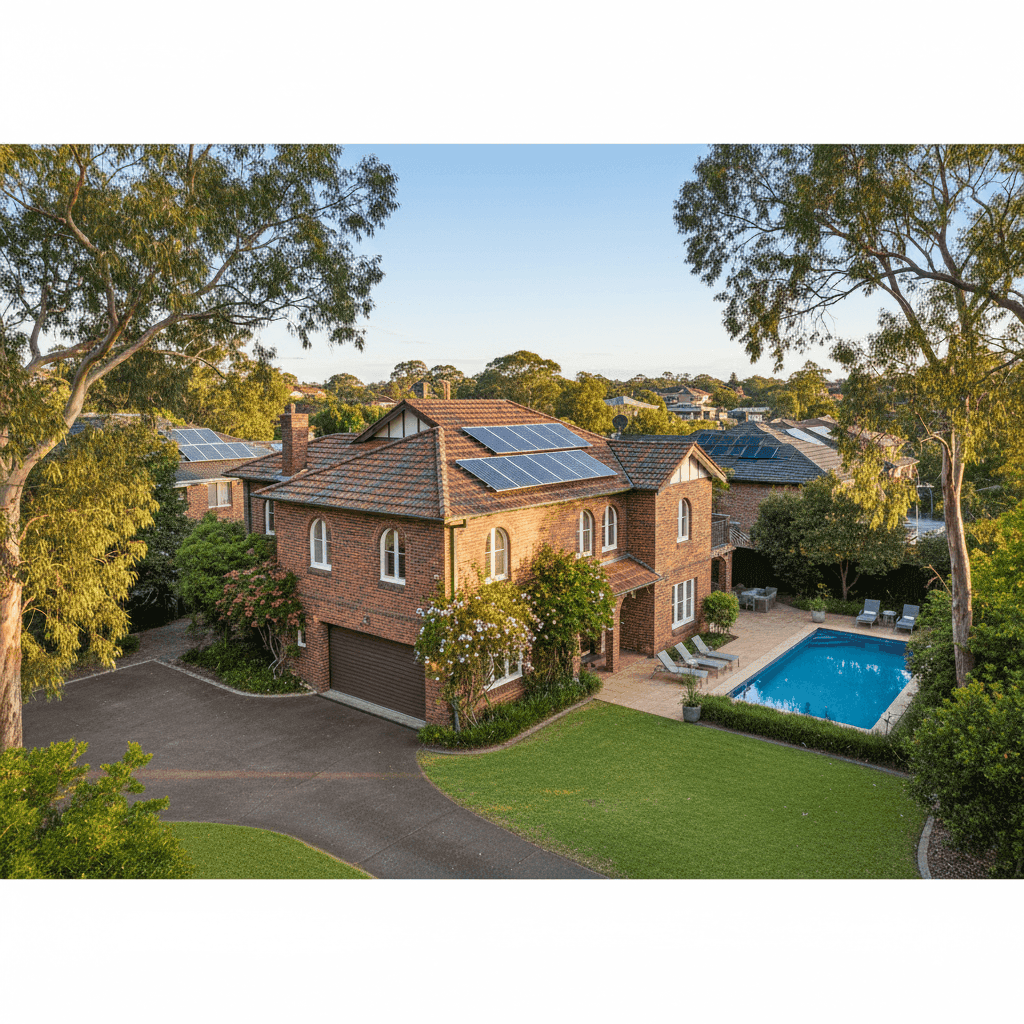
Burraneer is one of the Sutherland Shire's most sought-after suburbs — a leafy, waterfront peninsula community in Sydney's south, known for its generous block sizes, established homes, and relaxed coastal lifestyle. If you own a free standing home here, you're sitting on a significant asset, which makes getting your home insurance right all the more important. This article breaks down a real home and contents insurance quote for a five-bedroom, three-bathroom property in Burraneer, and puts it into context against local, state, and national benchmarks.
---
Is This Quote Fair?
The quote in question comes in at $2,851 per year (or $279/month) for combined home and contents cover, with a $1,000 excess on both building and contents. The building is insured for $200,000, and contents are covered up to $499,999.
Our price rating for this quote is Expensive — above average for the area.
To understand why, it helps to look at what's driving the cost. The property is a substantial five-bedroom home built in 1911, sitting on stumps with timber and laminate flooring throughout. It features a swimming pool, solar panels, and ducted climate control — all of which add complexity (and cost) to an insurance policy. The high contents sum insured of nearly $500,000 is also a significant factor; this is well above what many households insure, and it meaningfully lifts the annual premium.
That said, "expensive" is relative. While this quote sits above the suburb average, it's worth understanding the full picture before shopping around or adjusting your cover.
---
How Burraneer Compares
Here's how this quote stacks up against available benchmarks:
| Benchmark | Premium |
|---|---|
| This quote | $2,851/yr |
| Burraneer suburb average | $2,366/yr |
| Burraneer suburb median | $2,235/yr |
| Burraneer 25th percentile | $1,870/yr |
| Burraneer 75th percentile | $2,832/yr |
| NSW state average | $9,528/yr |
| NSW state median | $3,770/yr |
| National average | $5,347/yr |
| National median | $2,764/yr |
A few things stand out here. First, this quote is above the suburb average and median, but only marginally above the 75th percentile for Burraneer — meaning roughly three-quarters of comparable quotes in the area come in cheaper. That's the basis for the "expensive" rating.
However, the broader context tells a more nuanced story. Compared to the NSW state average of $9,528/yr and the national average of $5,347/yr, this quote looks quite reasonable. The NSW average is heavily skewed by high-risk regions — flood zones, bushfire corridors, and cyclone-prone coastal areas — which push premiums dramatically higher elsewhere in the state. Burraneer, by comparison, benefits from its relatively benign risk profile (no cyclone risk, and lower exposure to some of the catastrophic perils that plague regional NSW).
You can explore more local data on the Burraneer suburb stats page.
> Note: The suburb sample size here is 7 quotes, so the local averages should be treated as indicative rather than definitive. More data points would give a sharper picture.
---
Property Features That Affect Your Premium
Several characteristics of this property have a direct bearing on what insurers charge. Here's a breakdown of the key factors:
Age of Construction (1911)
At over 110 years old, this is a heritage-era home. Older properties can be more expensive to insure because replacement costs for period-appropriate materials, craftsmanship, and structural elements are higher. Insurers also factor in the greater likelihood of wear-related claims in older dwellings.
Double Brick Walls
Double brick is actually one of the more favourable construction types from an insurer's perspective. It's robust, fire-resistant, and durable — which can help moderate premiums compared to, say, timber-framed or clad homes. This is a genuine positive in the risk assessment.
Stump Foundation with Timber Flooring
Homes on stumps (also called pier foundations) are common in older Sydney properties and can be more susceptible to issues like subfloor moisture, pest damage, and movement over time. Combined with timber and laminate flooring, this is something insurers note — though it's not necessarily a major premium driver on its own.
Swimming Pool
A pool adds liability exposure. If someone is injured on your property, your home insurance (particularly the liability component) may be called upon. Pools also require specific inclusions around equipment like pumps and filters.
Solar Panels
Solar systems are now widely covered under home insurance policies, but they do add to the replacement value of the building. A system on a 235 sqm home could represent $10,000–$20,000+ in replacement costs, which insurers factor into the building sum insured assessment.
Ducted Climate Control
Ducted air conditioning systems are expensive to repair or replace — easily $10,000–$30,000 for a full residential system. This adds to the contents or building sum insured depending on how the system is classified by the insurer.
High Contents Sum Insured ($499,999)
This is the single biggest lever in this quote. Nearly half a million dollars in contents cover is substantial, and it's worth reviewing whether this figure accurately reflects the replacement value of your belongings, or whether it's been set conservatively high "just in case." Over-insuring contents is a common and costly mistake.
---
Tips for Homeowners in Burraneer
1. Review Your Contents Sum Insured
The $499,999 contents figure is a significant cost driver. Take the time to do a proper home contents inventory — room by room — and calculate the actual replacement cost of your belongings. Many homeowners find they've over-estimated, and reducing this figure (where appropriate) can deliver meaningful savings without leaving you underinsured.
2. Consider Your Building Sum Insured Carefully
At $200,000 for a 235 sqm double brick home built in 1911, the building sum insured may warrant a closer look. Construction costs in Sydney have risen sharply in recent years. Make sure your sum insured reflects the full cost of rebuilding — not the market value of the property, which includes land. Underinsuring your building is a risk that can leave you seriously out of pocket after a major claim.
3. Compare Quotes Before Renewing
Insurers adjust their pricing models regularly, and loyalty doesn't always pay. With this quote sitting above the local average, it's worth running a comparison at renewal time. Even a modest saving of $300–$500 per year adds up significantly over the life of your ownership.
4. Ask About Bundling and Discounts
Some insurers offer discounts for bundling home and contents (which this policy already does), paying annually rather than monthly, or for security features like alarm systems and deadbolts. Given the age and size of this property, it's worth asking your insurer what discounts may apply.
---
Ready to Compare?
Whether you're reviewing an existing policy or shopping for the first time, comparing quotes is the single most effective way to ensure you're getting fair value. Get a home insurance quote at CoverClub and see how your premium stacks up against the market — it takes just a few minutes and could save you hundreds.