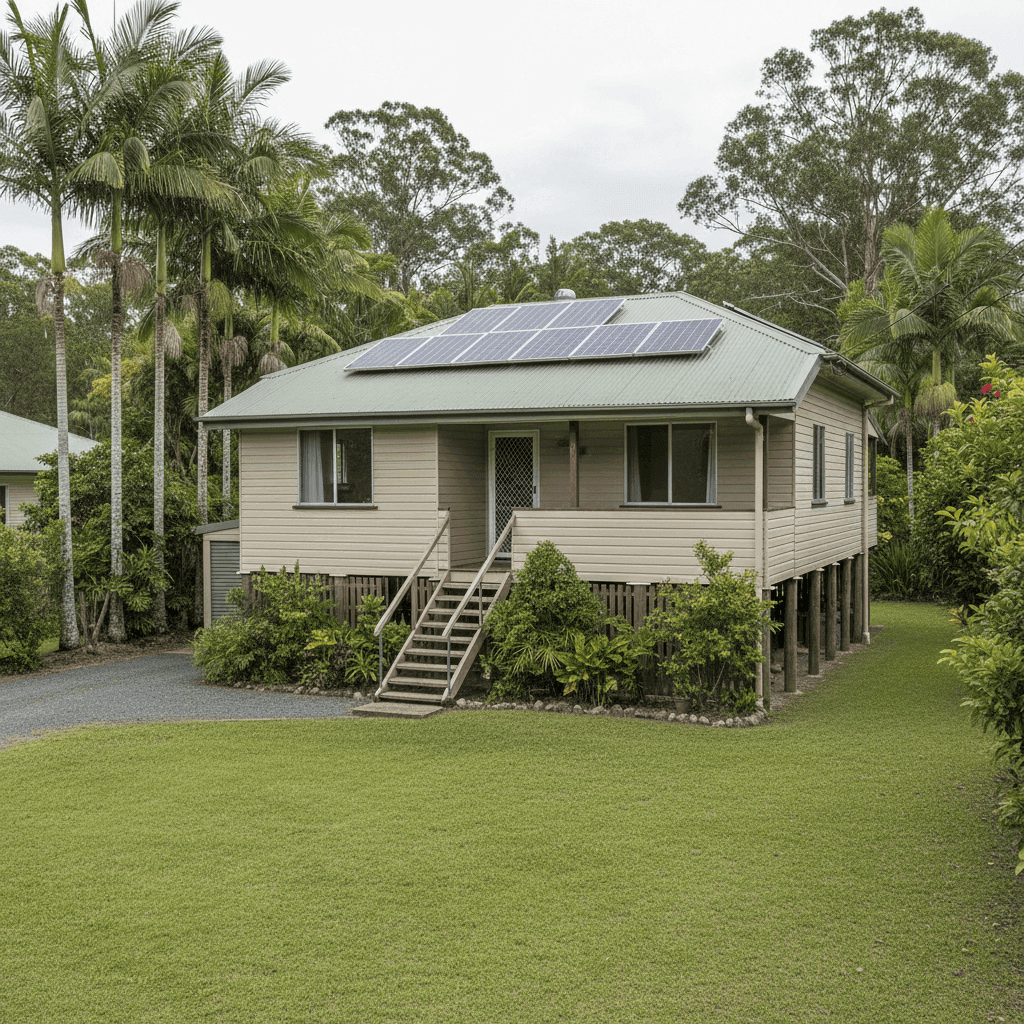
Burringbar is a quiet hinterland village nestled in the Tweed Valley of northern New South Wales — lush, green, and increasingly popular with homeowners seeking an alternative to the coastal hustle of nearby Murwillumbah and the Gold Coast. But living in this picturesque corner of NSW comes with its own set of insurance considerations. This article takes a close look at a recent home insurance quote for a 3-bedroom free standing home in Burringbar (postcode 2483), breaking down what the premium reflects, how it compares to local and national benchmarks, and what homeowners in the area should keep in mind.
---
Is This Quote Fair?
The short answer: yes — and then some. This quote came in at $1,597 per year (or $159/month), and it earns a CHEAP price rating, meaning it sits well below the average for the area.
To put that in perspective, the suburb average premium for Burringbar is $3,921/year, and the median sits at $3,630/year. This quote is less than half the local average — a significant saving of over $2,300 annually compared to what other homeowners in the same postcode are typically paying.
Even measured against the most competitive end of the local market (the 25th percentile, at $3,442/year), this quote still comes out substantially cheaper. For a homeowner with a building sum insured of $508,000, locking in coverage at this price point represents exceptional value.
It's worth noting that this is a Building Only policy, meaning contents are not included. That does explain some of the price difference, but even accounting for that, the premium is notably low relative to the local market.
---
How Burringbar Compares
Burringbar sits within the Tweed LGA, which carries one of the higher average premiums in the state — $4,680/year on average. This reflects the region's exposure to severe weather events, flooding, and the general cost pressures of insuring properties in subtropical northern NSW.
Here's how the numbers stack up across different benchmarks:
| Benchmark | Average Premium |
|---|---|
| This Quote | $1,597/yr |
| Burringbar (suburb average) | $3,921/yr |
| Burringbar (suburb median) | $3,630/yr |
| Tweed LGA average | $4,680/yr |
| NSW state average | $3,801/yr |
| NSW state median | $3,410/yr |
| National average | $2,965/yr |
| National median | $2,716/yr |
Even when stacked against the national average of $2,965/year, this quote is remarkably affordable. The NSW state average of $3,801/year is more than double this premium, and the Burringbar suburb average sits at nearly 2.5 times the quoted price.
It's worth noting that the suburb sample size here is 11 quotes — a relatively small dataset, so averages can be influenced by a handful of high-risk or high-value properties. Still, the trend is clear: this is a well-priced policy.
---
Property Features That Affect Your Premium
Several characteristics of this property are worth unpacking, as they each play a role in how insurers assess risk and calculate premiums.
Fibro/Asbestos Walls
The external walls are constructed from fibro asbestos — a common material in homes built during the mid-twentieth century. This property was built in 1966, squarely within the era when fibro was a standard and affordable building material across regional Australia. Insurers typically view fibro homes as higher risk due to the cost and complexity of repairs (asbestos must be handled by licensed professionals), and some insurers may apply loadings or decline coverage altogether. Finding a competitive quote for a fibro home is genuinely noteworthy.
Steel/Colorbond Roof
The Colorbond steel roof is a positive factor. It's durable, fire-resistant, and performs well in high-wind conditions — all attributes that insurers favour. Compared to older tile or corrugated iron roofing, Colorbond tends to attract more competitive premiums.
Stump Foundation & Elevation
The home sits on stumps and is elevated by less than 1 metre. Stump foundations are characteristic of older Queensland and northern NSW homes, offering ventilation and some degree of flood resilience. The slight elevation can be beneficial in areas prone to surface water flooding, though it may also mean higher wind exposure.
Solar Panels
This property has solar panels, which are typically covered under a building policy as a fixed installation. It's important to confirm with your insurer that solar panels are explicitly included in your sum insured and that the coverage extends to inverters and mounting hardware.
Construction Year
At nearly 60 years old, this is an older home, and age is a factor insurers weigh carefully. Older properties may have outdated wiring, plumbing, or structural elements that increase the likelihood of a claim. The $508,000 sum insured appears reasonable for a 139 sqm home with standard fittings in this region, though homeowners should periodically review their sum insured to ensure it reflects current rebuilding costs.
---
Tips for Homeowners in Burringbar
1. Get an Independent Asbestos Assessment
If you haven't already, consider having a licensed asbestos assessor inspect your property. Knowing the condition and location of asbestos-containing materials not only keeps you safe — it can also support your insurance application and ensure you're not underinsured if a claim involves remediation work.
2. Review Your Sum Insured Annually
Building costs in regional NSW have risen sharply in recent years. A sum insured that was adequate in 2020 may fall short today. Use a building cost estimator or speak with a local builder to sense-check your coverage amount each year at renewal.
3. Understand Your Flood and Storm Risk
The Tweed Valley is no stranger to heavy rainfall and flooding. Check whether your policy includes flood cover (not just storm damage), and review the Burringbar suburb stats to understand how local risk factors compare. The NSW Flood Risk Management Portal and your local council can also provide flood mapping data for your specific area.
4. Don't Auto-Renew Without Comparing
The fact that this quote came in at less than half the suburb average is a reminder that premiums vary enormously between insurers for the same property. Auto-renewing year after year without shopping around could mean paying thousands more than necessary. Set a reminder to compare quotes before each renewal.
---
Ready to See What You Could Pay?
Whether you're buying, refinancing, or simply due for a renewal, it pays to compare. CoverClub makes it easy to get a home insurance quote tailored to your property — and to see how your premium stacks up against others in your suburb, state, and across Australia.
Get a quote at CoverClub today and find out if you're paying a fair price for your home insurance.