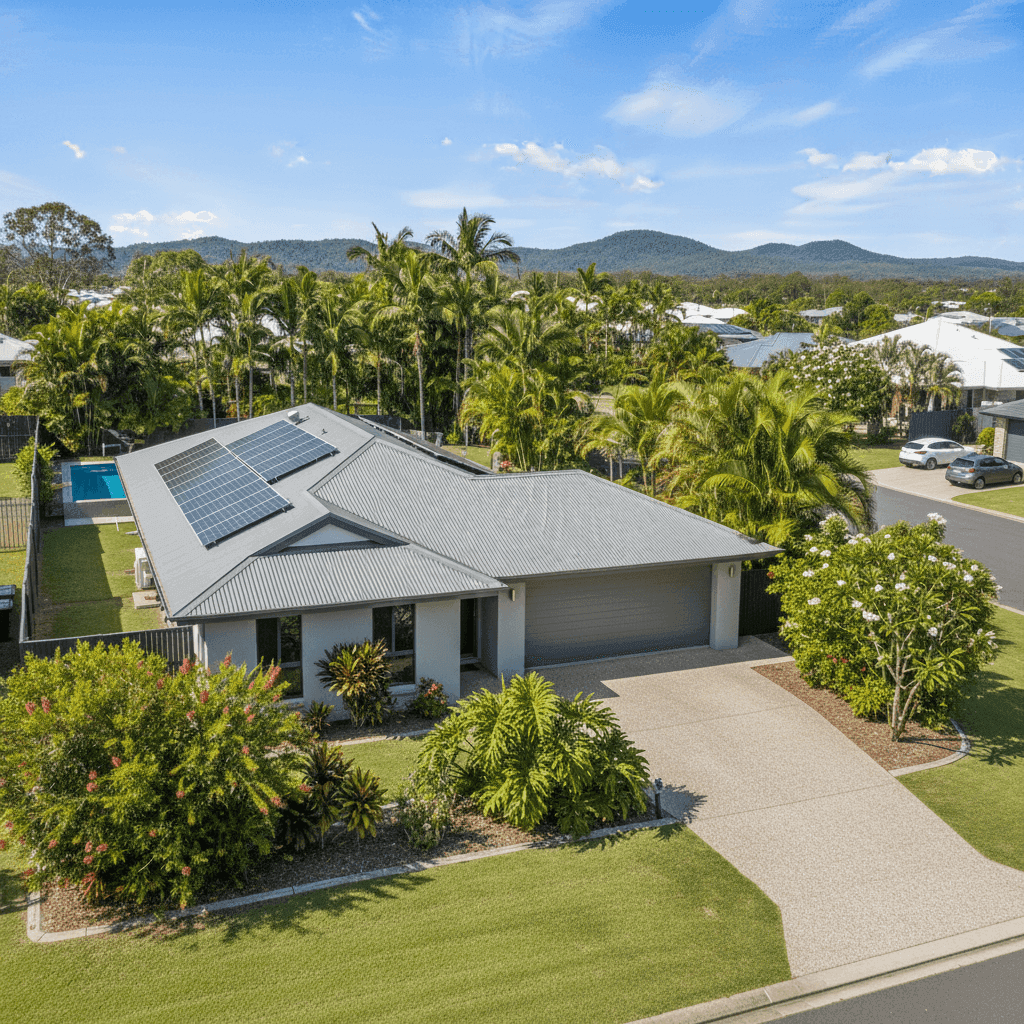
If you own a free standing home in Bushland Beach, QLD 4818, you already know this coastal suburb north of Townsville offers an enviable lifestyle — but it also comes with some unique insurance considerations. Situated in a cyclone-prone region, home insurance in this part of Queensland can vary dramatically depending on your property's features, construction quality, and the insurer you choose. This article breaks down a real home and contents insurance quote for a four-bedroom, two-bathroom property in Bushland Beach, helping you understand whether the price stacks up — and what you can do to make sure you're getting the best deal possible.
---
Is This Quote Fair?
The quote in question comes in at $3,976 per year (or $388 per month) for a combined home and contents policy, covering a building sum insured of $800,000 and $50,000 worth of contents. The building excess is $1,000 and the contents excess $500.
Based on CoverClub's pricing data, this quote is rated CHEAP — sitting below the suburb average. That's genuinely good news for the homeowner. In a suburb where insurance costs are pushed upward by cyclone risk, finding a policy priced this competitively is a meaningful win.
To put it in perspective: the average premium across 32 quotes sampled in Bushland Beach sits at $6,065 per year, with a median of $5,741. This quote comes in more than $2,000 below the suburb average — a saving of roughly 34%. Even compared to the 25th percentile of $4,730 (i.e., the cheapest quarter of quotes in the area), this policy is still priced lower. That places it firmly in the most affordable tier of available cover for this suburb.
---
How Bushland Beach Compares
To fully appreciate this quote, it helps to zoom out and look at the broader pricing landscape. You can explore the full data on the Bushland Beach insurance stats page.
| Benchmark | Annual Premium |
|---|---|
| This Quote | $3,976 |
| Suburb Average (Bushland Beach) | $6,065 |
| Suburb Median | $5,741 |
| Suburb 25th Percentile | $4,730 |
| LGA Average (Townsville) | $7,340 |
| QLD State Average | $9,129 |
| QLD State Median | $3,903 |
| National Average | $5,347 |
| National Median | $2,764 |
A few things stand out here. First, the Queensland state average of $9,129 per year is strikingly high — nearly double the national average of $5,347. This reflects the outsized impact of cyclone and flood risk across much of the state, which inflates premiums significantly compared to southern states. The Townsville LGA average of $7,340 reinforces this point.
It's also worth noting the wide gap between Queensland's mean ($9,129) and median ($3,903). This kind of spread typically signals that a subset of high-risk or high-value properties are pulling the average upward — while many properties in lower-risk pockets of the state pay more modest premiums. At $3,976, this quote sits just above the state median, suggesting the insurer has priced the risk relatively favourably for this particular property.
---
Property Features That Affect Your Premium
Several characteristics of this property are likely working in the homeowner's favour — and a couple warrant ongoing attention.
Construction quality is a key factor. This home was built in 2015 to modern building codes, which in Queensland means it was constructed to cyclone-resistant standards. Concrete external walls and a steel/Colorbond roof are among the most resilient combinations available in a cyclone-prone area. Steel roofing, in particular, performs well under high-wind events and is favoured by insurers operating in North Queensland. The slab foundation further reduces vulnerability to flood and storm surge damage compared to elevated timber stumps.
Tiled flooring is another feature that quietly benefits insurance outcomes — tiles are far less susceptible to water damage than carpet or timber, reducing the cost of claims in the event of flooding or storm water ingress.
Above-average fittings do add to the replacement cost of the home, which is reflected in the $800,000 building sum insured. Ensuring this figure accurately reflects current rebuild costs (not market value) is essential — underinsurance remains one of the most common and costly mistakes homeowners make.
The swimming pool, solar panels, and ducted climate control each add value to the property and should be accounted for in your sum insured. Solar panels in particular can be a grey area in policies — some insurers cover them as part of the building, others require specific endorsement, so it's worth confirming with your insurer exactly how your system is covered.
Cyclone risk is the elephant in the room for any Bushland Beach homeowner. The property sits in a designated cyclone risk area, and this is almost certainly the single largest driver of insurance costs in the region. The good news is that a well-built, modern concrete-and-steel home represents a lower risk profile than older timber construction — and this appears to be reflected in the competitive pricing of this quote.
---
Tips for Homeowners in Bushland Beach
1. Review your sum insured annually. Construction costs have risen sharply in recent years, and the cost to rebuild a 214 sqm home with above-average fittings in regional Queensland may have increased since you last updated your policy. Use a building cost calculator or speak with a local builder to sense-check your $800,000 figure each year.
2. Confirm your solar panels are covered. With a rooftop solar system installed, ask your insurer directly whether the panels are included under your building cover and what the claim process looks like if they're damaged in a storm or cyclone. Don't assume — get it in writing.
3. Cyclone-proof your property proactively. Insurers reward risk mitigation. Regularly inspecting and maintaining your roof fixings, gutters, and external structures (including the pool area) can reduce the likelihood of a claim and may support a stronger case for lower premiums at renewal. Some insurers also offer discounts for properties with cyclone shutters or screens.
4. Compare quotes at renewal — every year. This quote is priced well below the suburb average, but insurance markets shift. The insurer that offers the best rate today may not be the most competitive at your next renewal. Shopping around annually is the single most effective way to ensure you're not overpaying.
---
Find Out What Your Home Could Cost to Insure
Whether you're reviewing an existing policy or shopping for the first time, CoverClub makes it easy to compare home and contents insurance quotes tailored to your property. Get a quote today at CoverClub and see how your premium stacks up against the suburb, state, and national benchmarks — in minutes, for free.