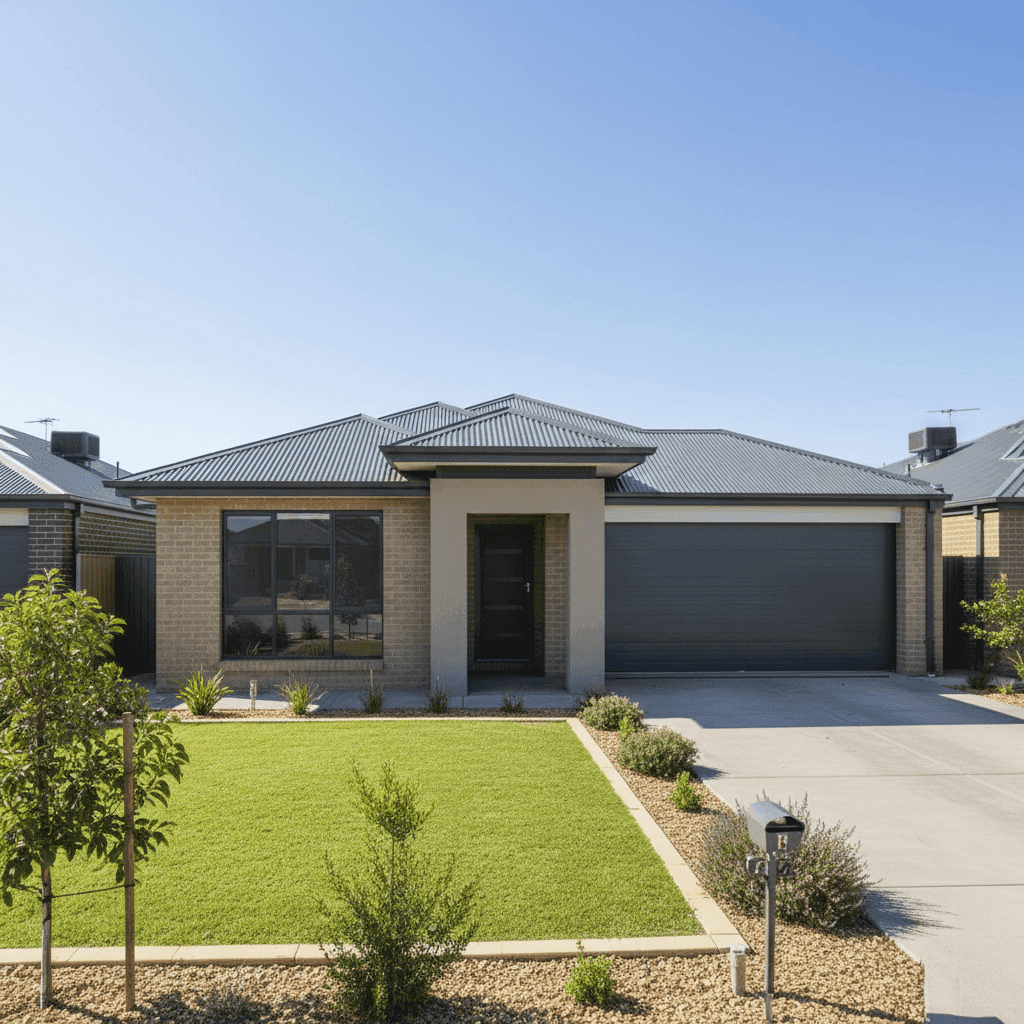
If you own a free standing home in Byford, WA 6122, you're probably curious about what a fair home insurance premium looks like — and whether the quote sitting in your inbox is worth accepting. This article breaks down a real home and contents insurance quote for a three-bedroom, two-bathroom property in Byford, compares it against local, state, and national benchmarks, and offers practical tips to help you get the best value cover.
---
Is This Quote Fair?
The quote in question comes in at $937 per year (or roughly $87 per month) for combined home and contents cover, with a building sum insured of $395,000 and contents valued at $70,000. The building excess is $2,000 and the contents excess sits at $1,000.
Our price rating for this quote? Cheap — below average. That's a strong result.
To put it in perspective, the suburb average for home insurance in Byford is $1,591 per year, and the median sits at $1,191 per year. This quote lands well below even the 25th percentile of quotes collected in the area ($1,047/yr), meaning it's cheaper than at least 75% of comparable quotes in the suburb. For a homeowner in Byford, that's genuinely good news.
Even if you were to pay at the median rate, you'd be spending around $254 more per year. At the suburb average, the difference blows out to over $650 annually — real money that could go toward your mortgage, renovations, or simply back in your pocket.
---
How Byford Compares
Zooming out to a broader view makes this quote look even more competitive. Here's how Byford stacks up across different geographic benchmarks:
| Benchmark | Average Premium | Median Premium |
|---|---|---|
| This Quote | $937/yr | — |
| Byford (suburb) | $1,591/yr | $1,191/yr |
| Serpentine-Jarrahdale LGA | $1,466/yr | — |
| Western Australia | $2,144/yr | $1,944/yr |
| National | $2,965/yr | $2,716/yr |
You can explore the full breakdown of home insurance premiums in Byford, or compare against all of Western Australia and the national average.
What stands out immediately is how much cheaper Byford is compared to the WA state average ($2,144/yr) and the national average ($2,965/yr). Byford homeowners are already in a relatively affordable insurance market — and this particular quote sits even further below that baseline.
A few factors likely contribute to Byford's lower-than-average state and national premiums: it's a relatively new suburban area with modern housing stock, it sits outside cyclone risk zones, and it doesn't face the elevated bushfire or flood exposure that drives up premiums in other parts of WA and Australia.
---
Property Features That Affect Your Premium
Insurance pricing isn't arbitrary — every detail of your home feeds into the risk calculation. Here's how the features of this particular property work in its favour:
Double Brick Construction Double brick external walls are highly regarded by insurers. They're fire-resistant, structurally robust, and less susceptible to storm damage than timber or clad alternatives. This is one of the most premium-friendly wall types you can have in Australia.
Steel/Colorbond Roof Colorbond steel roofing is durable, low-maintenance, and performs well in extreme weather conditions. Compared to older tile or terracotta roofs, Colorbond is less prone to cracking, leaking, or displacement in high winds — all factors that reduce claims risk.
Concrete Slab Foundation A slab foundation offers excellent stability and is less prone to movement or subsidence than raised timber stumps. It also eliminates the underfloor space that can sometimes harbour moisture or pest damage.
Built in 2015 Newer homes built after updated building codes came into effect tend to attract lower premiums. A 2015 build means modern electrical systems, plumbing, and structural standards — all of which reduce the likelihood of a major claim.
No Pool, No Solar Panels While solar panels and pools aren't necessarily deal-breakers for insurers, they do add complexity and potential liability. The absence of both keeps this policy straightforward.
Ducted Climate Control Ducted systems are a contents or building inclusion worth noting — they can add to the replacement cost of a home if damaged. Ensuring your sum insured accurately reflects this is important.
Standard Fittings Standard-grade fittings (as opposed to high-end or custom finishes) keep rebuild costs — and therefore premiums — more predictable and moderate.
---
Tips for Homeowners in Byford
Whether you're reviewing your existing policy or shopping for the first time, here are four practical steps to make sure you're getting the right cover at the right price.
1. Don't underinsure your building A sum insured of $395,000 for a 139 sqm home in Byford seems reasonable, but construction costs have risen significantly in recent years. Use a building replacement cost calculator and review your sum insured annually. Underinsurance is one of the most common — and costly — mistakes homeowners make.
2. Match your contents cover to reality $70,000 in contents cover is a solid starting point, but it's easy to underestimate what you own. Walk through each room and tally up furniture, appliances, electronics, clothing, and valuables. Many homeowners are surprised to find their contents are worth considerably more than they assumed.
3. Consider your excess trade-off carefully This policy carries a $2,000 building excess and $1,000 contents excess. Higher excesses typically reduce your annual premium — but make sure you can comfortably cover that amount out of pocket if you need to make a claim. If cash flow is a concern, a lower excess (with a slightly higher premium) may be the smarter choice.
4. Compare quotes at renewal time Insurance markets shift, and the cheapest insurer one year may not be the most competitive the next. Even if you're happy with your current policy, it costs nothing to run a comparison before you renew. Loyalty doesn't always pay in insurance.
---
Ready to Compare?
Whether this quote is yours or you're simply benchmarking, it's always worth seeing what else is on the market. CoverClub makes it easy to compare home and contents insurance quotes from multiple insurers in one place — so you can make a confident, informed decision.