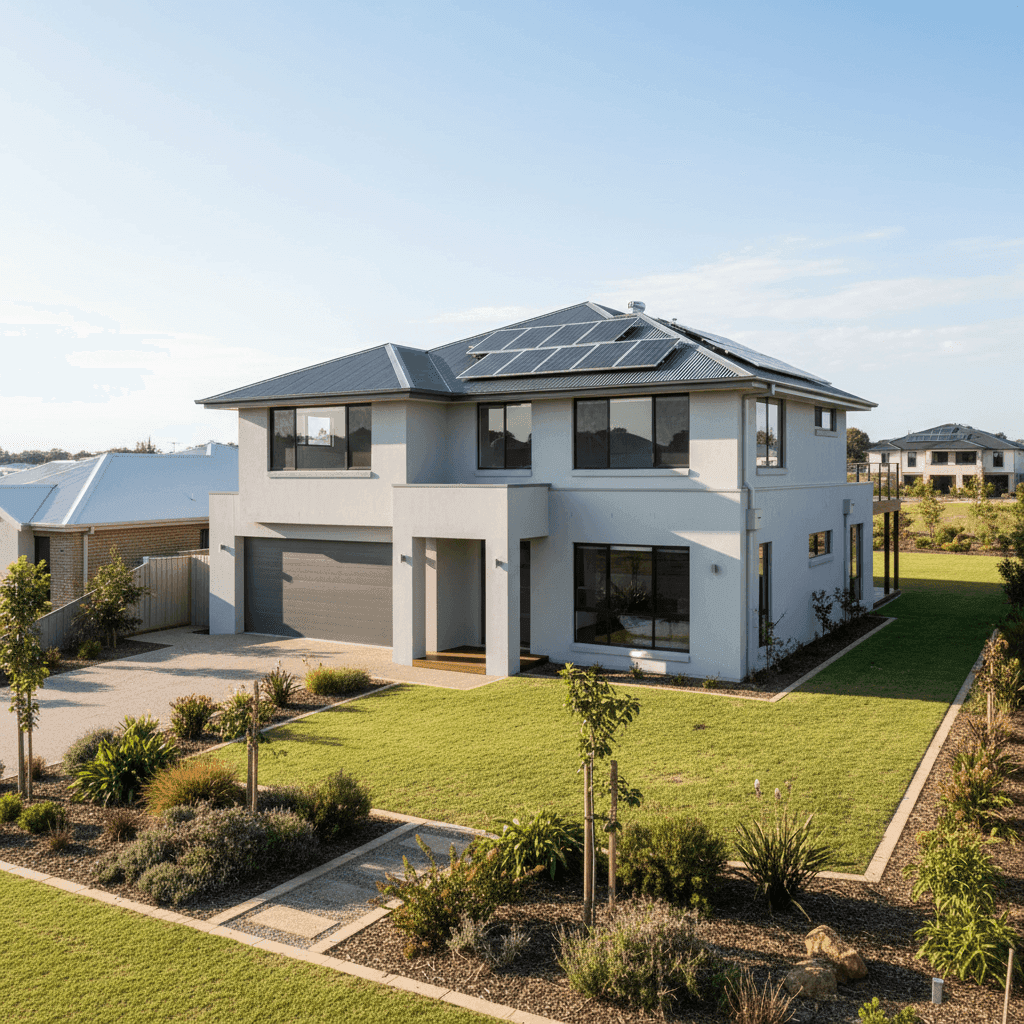
If you own a free standing home in Cabarlah, QLD 4352, you're likely curious about what a fair home insurance premium looks like — and whether you're getting a good deal. Nestled in the Toowoomba Regional Council area on Queensland's Darling Downs, Cabarlah is a semi-rural locality that combines relaxed country living with proximity to Toowoomba's amenities. This article breaks down a real home and contents insurance quote for a three-bedroom, two-bathroom property in the suburb, and puts it in context against state and national benchmarks so you can make an informed decision.
---
Is This Quote Fair?
The quote in question comes in at $3,314 per year (or $319/month) for a combined home and contents policy, covering a building sum insured of $796,000 and contents valued at $158,000, each with a $2,000 excess.
Our price rating for this quote is CHEAP — below average — which is genuinely good news for the homeowner. To put that in perspective:
- The QLD state average premium sits at $9,129/yr, with a median of $3,903/yr
- The national average is $5,347/yr, with a median of $2,764/yr
- The Goondiwindi LGA average (the broader LGA reference point available for this area) is $6,634/yr
At $3,314/yr, this quote comes in well below the Queensland state average — roughly 64% cheaper — and also sits below the QLD median of $3,903. It's also notably lower than the LGA average for the Goondiwindi region. Compared to the national median of $2,764, it's slightly above, but that's to be expected given the higher building sum insured of nearly $800,000 and the inclusion of contents cover.
All things considered, this is a competitive result for a well-appointed regional Queensland property.
---
How Cabarlah Compares
Without suburb-level data to draw on directly, we can look at the broader picture to contextualise this result. You can explore Cabarlah-specific insurance statistics as more data becomes available, but here's what the regional and national picture tells us:
| Benchmark | Annual Premium |
|---|---|
| This quote | $3,314 |
| QLD median | $3,903 |
| QLD average | $9,129 |
| National median | $2,764 |
| National average | $5,347 |
| Goondiwindi LGA average | $6,634 |
The gap between the QLD average ($9,129) and the QLD median ($3,903) is striking, and it reflects the significant influence of high-risk coastal and cyclone-prone areas on Queensland's average premiums. Properties in those zones — think Cairns, Townsville, or the Whitsundays — can attract premiums in the tens of thousands, which pulls the state average up sharply.
Cabarlah, sitting inland on the Darling Downs, benefits from a much lower natural hazard profile. It's not classified as a cyclone risk area, which is one of the most significant cost drivers in Queensland. This geography almost certainly plays a role in keeping this quote competitive. For more context on how Queensland premiums vary across the state, visit our QLD insurance statistics page, or browse national home insurance data to see the full picture.
---
Property Features That Affect Your Premium
Several characteristics of this property are worth examining for their influence on the premium:
Hebel external walls Hebel (autoclaved aerated concrete) is a popular modern cladding choice known for its fire resistance and thermal efficiency. From an insurance perspective, Hebel is generally viewed favourably — it's non-combustible, which can reduce fire risk compared to timber weatherboard. This may contribute to a more competitive premium.
Steel/Colorbond roof Colorbond steel roofing is widely regarded as one of the most insurer-friendly roof types in Australia. It's durable, low-maintenance, resistant to corrosion, and performs well in high-wind events. Insurers tend to price this more favourably than older materials like terracotta tiles or asbestos sheeting.
Slab foundation and tile flooring A concrete slab foundation is a solid, low-risk base that doesn't carry the same concerns as older stumped or timber-framed subfloors. Tile flooring similarly signals durability and is resistant to water damage — both factors that can subtly influence underwriting decisions.
Solar panels The property has solar panels installed. While solar panels add value and can reduce energy costs, they do represent an additional insurable asset. Some policies cover solar panels automatically as part of the building, while others may require them to be specifically listed. It's worth confirming with your insurer that your solar system is fully covered under your building sum insured.
1990 construction A home built in 1990 is now over 30 years old. While it's not considered a heritage property, it may have older electrical wiring, plumbing, or structural elements that could influence claims. Ensuring your building sum insured is accurate and reflects current replacement costs is important for a home of this vintage.
Standard fittings quality Standard-grade fittings mean the home doesn't carry the premium pricing associated with high-end finishes. This keeps the replacement cost estimate more predictable and typically results in a more moderate building sum insured — all else being equal.
---
Tips for Homeowners in Cabarlah
1. Verify your building sum insured regularly At $796,000, the building sum insured here is substantial. Construction costs have risen significantly across Australia in recent years, and a sum insured that was accurate two years ago may no longer reflect true replacement costs. Use a building cost calculator or speak to a quantity surveyor to ensure you're not underinsured.
2. Confirm solar panel coverage As noted above, solar panels don't always receive automatic coverage under every policy. Check your Product Disclosure Statement (PDS) carefully to confirm whether your panels are covered under the building section, and for what events (e.g., storm, fire, accidental damage).
3. Review your contents valuation With $158,000 in contents cover, it's worth doing a room-by-room audit periodically to make sure that figure still reflects reality. Contents values can creep up over time as you add appliances, furniture, and personal items — and underinsurance on contents can be just as costly as on the building.
4. Consider your excess carefully Both the building and contents excess on this policy are set at $2,000. A higher excess generally means a lower premium, but you need to be comfortable meeting that cost out of pocket in the event of a claim. If $2,000 feels like a stretch, it may be worth exploring whether a lower excess option is available and what the premium difference looks like.
---
Ready to Compare?
Whether you're a Cabarlah local or just exploring your options, it pays to compare. Home insurance premiums can vary dramatically between providers — even for identical properties — so a quote that looks competitive today might not be the best available. Get a home insurance quote at CoverClub to see what multiple insurers would charge for your property, and make sure you're not paying more than you need to.