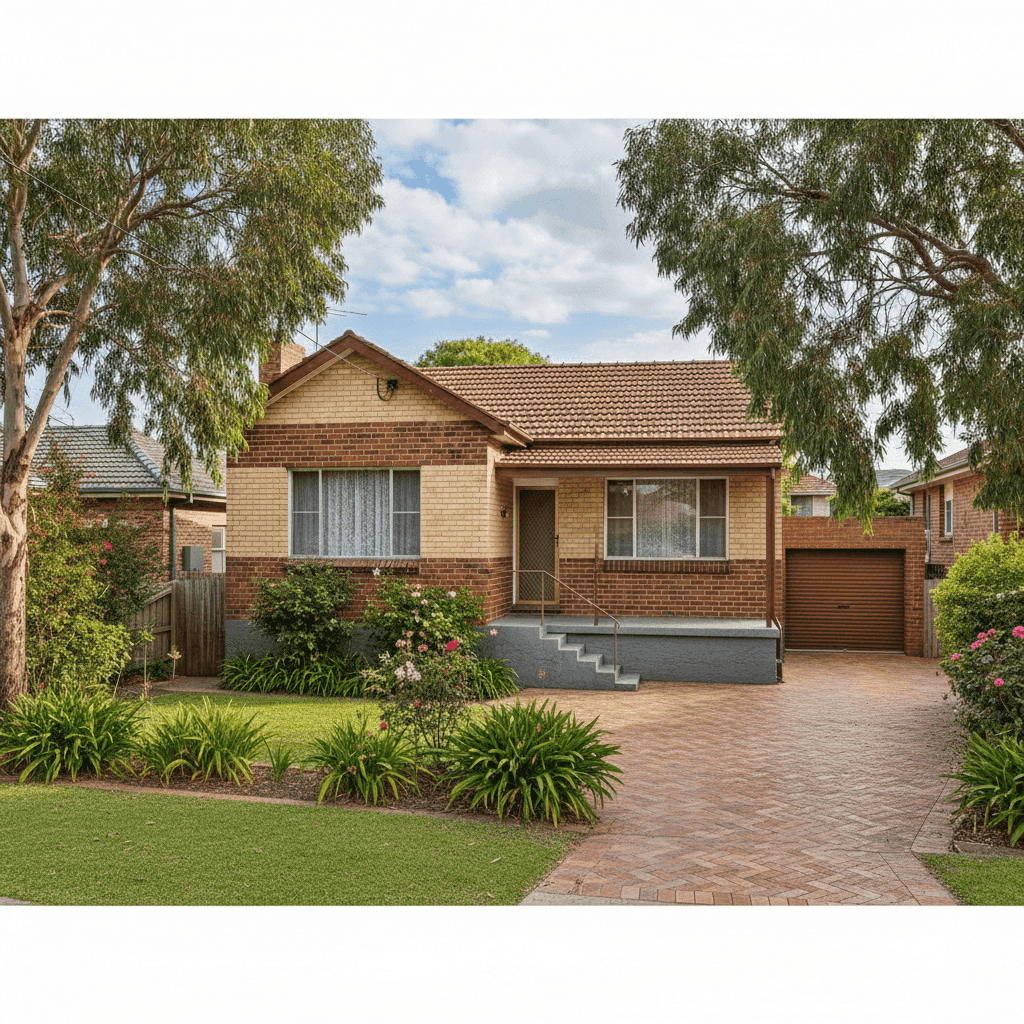
Cabramatta is a well-established suburb in Sydney's south-west, sitting within the Fairfield Local Government Area. Known for its vibrant community and solid residential streets lined with brick homes, it's a suburb where many families have put down long-term roots. This article takes a close look at a recent building insurance quote for a four-bedroom, two-bathroom free standing home in Cabramatta (postcode 2166) — and asks the most important question: is the price fair?
---
Is This Quote Fair?
The quote in question comes in at $3,513 per year (or $337/month) for building-only cover, with a $2,000 building excess and a sum insured of $1,000,000.
Our price rating for this quote is EXPENSIVE — above average for the area. That's not a label we apply lightly. Based on 23 comparable quotes collected for Cabramatta, the suburb average sits at $2,122/year and the median is even lower at $1,719/year. This quote lands well above the 75th percentile of $2,241 — meaning it's pricier than at least three-quarters of comparable quotes in the same postcode.
That said, context matters. The sum insured here is $1,000,000 — a figure that reflects the full rebuild cost of a larger, well-appointed home. Homes with above-average fittings quality and ducted climate control systems tend to attract higher premiums, and a 214 sqm footprint is meaningfully larger than a typical suburban dwelling. Still, even accounting for these factors, the gap between this quote and the local median is significant enough to warrant shopping around.
---
How Cabramatta Compares
To get a full picture, it helps to zoom out and look at the broader data landscape.
| Benchmark | Average Premium | Median Premium |
|---|---|---|
| Cabramatta (2166) | $2,122/yr | $1,719/yr |
| Fairfield LGA | $2,137/yr | — |
| NSW | $9,528/yr | $3,770/yr |
| National | $5,347/yr | $2,764/yr |
A few things stand out here. First, Cabramatta is actually a relatively affordable suburb when benchmarked against NSW as a whole — the state average of $9,528 is dramatically higher, largely skewed by high-risk coastal and flood-prone postcodes. Second, the national average of $5,347 also sits well above what most Cabramatta homeowners are paying, which speaks to the suburb's comparatively low-risk profile.
The Fairfield LGA average of $2,137 is almost identical to the Cabramatta suburb average, suggesting consistent pricing across the broader local government area. This quote, at $3,513, is still notably above both benchmarks — reinforcing the "expensive" rating.
It's worth noting that state and national averages can be heavily influenced by outlier properties in high-risk zones (think cyclone-prone Queensland coastlines or flood corridors). For a more meaningful comparison, the Cabramatta suburb stats page offers the most relevant local data.
---
Property Features That Affect Your Premium
Several characteristics of this property have a direct bearing on what insurers charge. Here's how they play out:
Double Brick Construction Double brick is generally viewed favourably by insurers. It's durable, fire-resistant, and holds up well structurally over time. Compared to weatherboard or clad homes, double brick typically attracts lower premiums — so this works in the homeowner's favour.
Tiled Roof Terracotta or concrete tiles are considered a solid roofing material. They're more resilient than corrugated iron in many weather events and tend to be associated with lower premiums than older materials like fibro or asbestos sheeting.
Slab Foundation A concrete slab foundation is standard for homes of this era and generally poses no additional risk concerns for insurers. It's a neutral factor in most pricing models.
Construction Year: 1987 At nearly 40 years old, this home is well past its original build but not so old as to raise major concerns. Insurers do pay attention to age — older homes can carry higher risk due to ageing plumbing, wiring, and roofing — but a 1987 build in good condition is unlikely to attract a significant age loading.
Above-Average Fittings Quality This is one of the more impactful factors. Above-average fittings — think stone benchtops, quality cabinetry, premium fixtures — increase the cost to rebuild or repair, which flows directly into the premium. This is a legitimate reason for a higher-than-average quote.
Ducted Climate Control Ducted air conditioning systems add to the insured value of the home and can increase the cost of claims if damaged. Insurers factor this into their pricing, particularly for building-only cover.
Elevation: Less Than 1 Metre The property is slightly elevated, though by less than a metre. This offers minimal flood mitigation benefit, so it's unlikely to meaningfully reduce the premium compared to a fully ground-level home.
No Pool, No Solar Panels The absence of a pool and solar panels removes two common premium add-ons. Both can increase liability exposure and replacement costs, so their absence is a minor positive for pricing.
---
Tips for Homeowners in Cabramatta
1. Compare at least three quotes before renewing Given that this quote sits above the 75th percentile for the suburb, there's a strong case for shopping around. Premiums can vary by hundreds — sometimes thousands — of dollars for the same property. Use CoverClub's free quote comparison tool to see what other insurers are offering.
2. Review your sum insured carefully A $1,000,000 sum insured is appropriate for a larger home with quality fittings, but it's worth getting a professional building replacement cost estimate to ensure you're not over-insured. Over-insuring inflates your premium without adding real benefit.
3. Ask about excess trade-offs The $2,000 building excess on this policy is on the higher end. Some insurers allow you to adjust your excess up or down in exchange for premium changes. If you're unlikely to make small claims, a higher excess can reduce your annual cost — but make sure the trade-off makes financial sense for your situation.
4. Check for bundling discounts If you're also insuring contents, car, or other assets, many insurers offer multi-policy discounts. Even though this quote covers building only, it's worth asking whether bundling would bring the overall cost down.
---
Ready to Find a Better Deal?
If your home insurance premium feels higher than it should be, you're not alone — and you don't have to accept the first quote you receive. CoverClub makes it easy to compare home insurance options for properties across Cabramatta and the wider Fairfield area. Get a quote today at CoverClub and see how much you could save on your building cover.