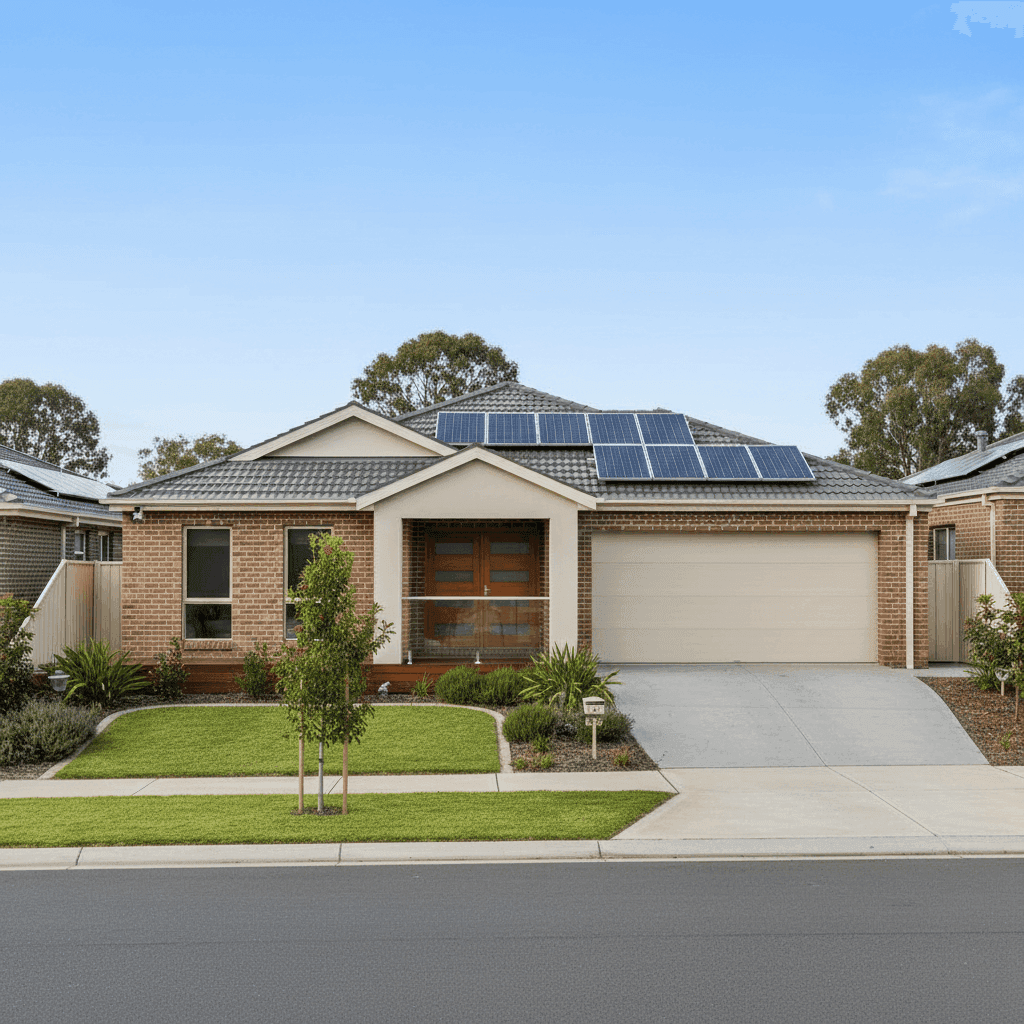
If you own a free standing home in Calala, NSW 2340, you've probably wondered whether the insurance quote sitting in your inbox is a fair deal — or whether you're paying more than you should. In this article, we break down a real home and contents insurance quote for a three-bedroom, two-bathroom brick veneer home in Calala, and put the numbers into context using suburb, state, and national benchmarks.
---
Is This Quote Fair?
The quote in question comes in at $2,452 per year (or $235 per month) for combined home and contents cover, with a building sum insured of $620,000 and contents valued at $82,000. Both the building and contents excess sit at $1,000.
Based on our pricing data, this quote is rated Expensive — above average for the area.
To put that in perspective: the average home and contents premium across Calala sits at around $1,696 per year, with a median of $1,701. That means this particular quote is running approximately $756 above the suburb average — or roughly 45% more expensive than what other homeowners in the same postcode are paying.
That's a meaningful gap, and it's worth understanding why before simply accepting the figure at face value.
It's important to note that the suburb sample size here is relatively small (10 quotes), so the local average should be treated as a guide rather than a definitive benchmark. That said, the pattern is consistent — this quote sits well above the 75th percentile for the suburb, which is $1,839 per year. In other words, it's more expensive than at least three-quarters of comparable quotes in Calala.
---
How Calala Compares
One of the most useful things you can do when assessing a quote is zoom out and look at the broader picture. Here's how Calala stacks up against state and national figures:
| Benchmark | Average Premium | Median Premium |
|---|---|---|
| Calala (suburb) | $1,696/yr | $1,701/yr |
| Liverpool Plains LGA | $2,851/yr | — |
| NSW (state) | $9,528/yr | $3,770/yr |
| National | $5,347/yr | $2,764/yr |
A few things stand out here. First, the NSW state average is dramatically skewed upward — this is largely driven by high-risk coastal and flood-prone areas across the state, which push the mean well above what most inland homeowners pay. The median of $3,770 is a more reliable yardstick for NSW, and even against that figure, Calala premiums look quite reasonable.
Compared to the national median of $2,764, the Calala suburb median of $1,701 is genuinely competitive — suggesting that Calala is, broadly speaking, a relatively affordable area to insure a home. The quote in this analysis, however, sits above the national median, which adds further weight to the "expensive" rating.
Interestingly, the Liverpool Plains LGA average of $2,851 is notably higher than the Calala suburb average, which may reflect a mix of rural and regional properties across the broader local government area that carry different risk profiles.
You can explore more local data on the Calala suburb stats page, compare it against NSW state-wide figures, or benchmark against national home insurance averages.
---
Property Features That Affect Your Premium
Every insurer prices risk differently, but certain property characteristics consistently influence what you'll pay. Here's how the features of this particular home come into play:
Brick Veneer Walls & Tiled Roof Brick veneer is generally viewed favourably by insurers — it's fire-resistant, durable, and widely used across Australian suburbs. Combined with a tiled roof, this construction type typically attracts lower premiums than timber-framed or metal-roofed homes. These features work in the homeowner's favour.
Concrete Slab Foundation A slab foundation is standard for homes built in this era and region, and is generally considered low-risk from an insurer's perspective. It offers good structural stability and reduces concerns around subsidence or pest-related damage that can affect older homes with raised foundations.
Built in 2015 A relatively modern build is another positive signal for insurers. Homes constructed after 2010 typically meet more rigorous building codes, have newer electrical and plumbing systems, and are less likely to generate claims related to ageing infrastructure. This should, in theory, support a more competitive premium.
Solar Panels The presence of solar panels adds a layer of complexity to home insurance. Panels need to be covered for damage from storms, hail, and fire — and some insurers include them under the building policy automatically, while others may require specific endorsement. It's worth confirming exactly how your policy handles solar panel replacement, including inverters and mounting hardware.
Ducted Climate Control Ducted systems are a fixed installation and typically covered under building insurance. However, they can be expensive to repair or replace, which may contribute to a higher sum insured — and by extension, a higher premium.
Building Size: 214 sqm At 214 square metres, this is a comfortably sized home. The building sum insured of $620,000 reflects current construction costs, which have risen significantly in recent years due to labour and materials inflation. Getting the sum insured right is critical — underinsurance remains one of the most common and costly mistakes Australian homeowners make.
---
Tips for Homeowners in Calala
If you're looking to make sure you're getting value from your home insurance, here are four practical steps worth taking:
- Compare multiple quotes. The single most effective way to reduce your premium is to shop around. A difference of $756 per year — as seen in this example versus the suburb average — is significant. Even allowing for variations in cover, that gap warrants investigation.
- Review your sum insured carefully. Make sure your building sum insured reflects the actual cost to rebuild your home from scratch, not its market value. Use a building cost calculator or speak with a quantity surveyor if you're unsure. Overcovering can unnecessarily inflate your premium; undercovering can leave you exposed at claim time.
- Ask about solar panel coverage specifically. With solar panels installed, confirm with your insurer whether they're automatically included in your building cover, what the claim limit is, and whether accidental damage is covered. This is often a grey area that catches homeowners off guard.
- Consider your excess level. Both the building and contents excess on this policy are set at $1,000. Opting for a higher voluntary excess can reduce your annual premium — but make sure the savings make sense relative to the increased out-of-pocket cost if you do need to claim.
---
Ready to Compare?
If this quote doesn't feel right for your situation, the good news is that comparing your options has never been easier. At CoverClub, you can get a home insurance quote in minutes and see how different insurers price your specific property — so you can make a genuinely informed decision rather than just accepting the first number that lands in your inbox.