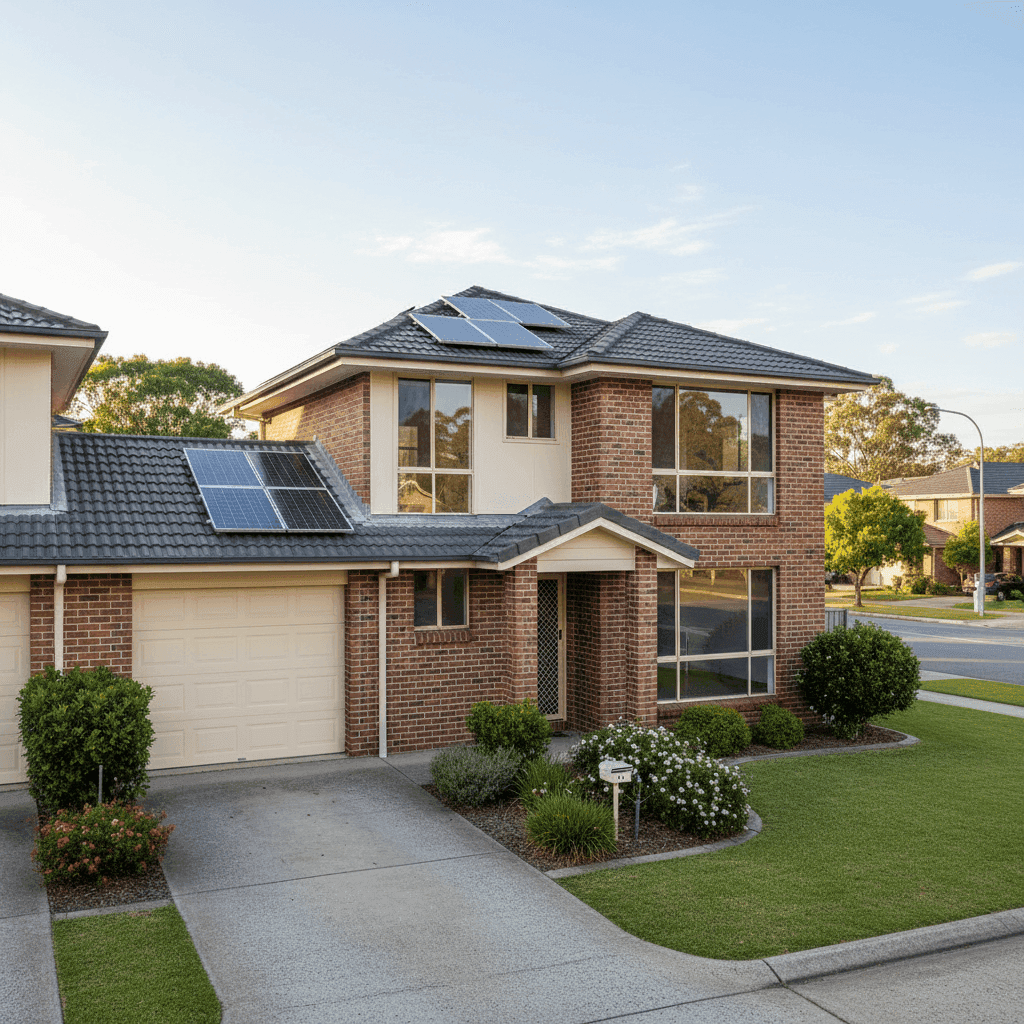
Calamvale is a well-established suburb in Brisbane's southern corridor, known for its mix of family homes and medium-density living. For owners of townhouses in this pocket of Queensland, understanding what a fair home insurance premium looks like — and what drives the cost — can make a real difference at renewal time. This article breaks down a recent home and contents insurance quote for a 3-bedroom townhouse in Calamvale (QLD 4116), rated Fair (Around Average), and puts it in context against local, state, and national benchmarks.
---
Is This Quote Fair?
The annual premium on this quote comes in at $1,507 per year (or $144/month), covering both building (sum insured: $485,000) and contents ($50,000), each with a $1,000 excess.
The Fair price rating means this quote is broadly in line with what other Calamvale homeowners are paying — not a standout bargain, but not an overpriced outlier either. To put some numbers around that:
- The suburb average for Calamvale sits at $1,827/year, and the median is $1,814/year
- This quote comes in roughly $320 below the suburb average — a meaningful saving
- It also sits comfortably within the interquartile range: the 25th percentile is $1,053/yr and the 75th percentile is $2,387/yr
So while there are cheaper quotes available in the suburb (the bottom quarter of the market pays under $1,053/yr), this premium is well clear of the more expensive end. For a combined home and contents policy with a solid building sum insured, $1,507 represents reasonable value in this market.
---
How Calamvale Compares
One of the most striking things about this quote is just how favourable the Calamvale market looks when you zoom out. Check out the full suburb stats for Calamvale (QLD 4116) for a broader picture, but here's the headline comparison:
| Benchmark | Average Premium | Median Premium |
|---|---|---|
| Calamvale (suburb) | $1,827/yr | $1,814/yr |
| Brisbane LGA | $16,277/yr avg | — |
| Queensland (state) | $9,129/yr avg | $3,903/yr |
| National | $5,347/yr avg | $2,764/yr |
The Queensland state average of $9,129/year is dramatically higher than what Calamvale homeowners typically pay — largely because Queensland's insurance market is heavily skewed by high-risk coastal and far-north regions where cyclone exposure pushes premiums into the tens of thousands. The national average of $5,347/year tells a similar story.
Calamvale, sitting in Brisbane's southern suburbs and outside designated cyclone risk zones, benefits from a far more benign risk profile. The suburb median of $1,814/year is actually well below the national median of $2,764/year — which is good news for local homeowners shopping around.
The Brisbane LGA average of $16,277/year looks alarming at first glance, but this figure is heavily influenced by riverfront and flood-prone properties elsewhere in the city. Calamvale's position on higher ground gives it a distinct pricing advantage within the broader Brisbane market.
---
Property Features That Affect Your Premium
Every insurer prices risk differently, but the physical characteristics of a property play a significant role in determining your premium. Here's how the features of this particular townhouse stack up:
Brick Veneer Walls & Tiled Roof Brick veneer construction is generally viewed favourably by insurers — it's durable, fire-resistant, and holds up well in storms. Combined with a tiled roof, this property sits in a relatively low-risk construction category. Compared to timber-framed or clad homes, this combination can attract more competitive premiums.
Slab Foundation A concrete slab foundation is standard for Queensland townhouses built in the 1990s. It's a stable base that doesn't carry the same subsidence or moisture risks associated with older suspended timber floors — another tick in the insurer's favour.
1995 Construction Year At around 30 years old, this townhouse is past the "new build" stage but not yet in the territory where aging electrical, plumbing, or roofing systems become a concern. Many insurers consider mid-1990s builds a relatively low-risk cohort.
Solar Panels The presence of solar panels is worth noting. Most home insurance policies cover rooftop solar as part of the building sum insured, but it's worth confirming this with your insurer. Panels add replacement value to the roof structure, so ensuring your building sum insured adequately accounts for them is important.
No Pool, No Ducted Climate Control The absence of a swimming pool removes one common source of liability and maintenance-related claims. No ducted air conditioning also means fewer mechanical systems that could fail and cause water damage — both factors that can keep premiums more competitive.
153 sqm Building Size At 153 sqm, this is a mid-sized townhouse. The $485,000 building sum insured works out to roughly $3,170 per sqm — broadly in line with current Queensland construction costs, though it's always worth revisiting your sum insured annually to account for rising rebuild costs.
---
Tips for Homeowners in Calamvale
1. Review your building sum insured every year Construction costs in Queensland have risen sharply over recent years. A sum insured that was accurate in 2022 may no longer reflect what it would actually cost to rebuild your home today. Use a building cost calculator or ask your insurer to help you reassess — being underinsured can be just as costly as overpaying on premiums.
2. Check how your solar panels are covered Solar panels are a valuable asset, and not all policies treat them the same way. Some insurers include them automatically under building cover; others may require a separate item or endorsement. Confirm the details in your Product Disclosure Statement (PDS) before assuming you're covered.
3. Compare quotes before renewing The spread between the 25th percentile ($1,053/yr) and 75th percentile ($2,387/yr) in Calamvale shows there's significant variation in what insurers charge for similar properties. Loyalty doesn't always pay — comparing quotes at renewal could save you hundreds of dollars a year.
4. Consider your excess carefully Both the building and contents excess on this policy sit at $1,000. A higher excess generally lowers your premium, but make sure you're comfortable covering that amount out of pocket in the event of a claim. If cash flow is a concern, a lower excess (and slightly higher premium) might be a better fit for your circumstances.
---
Ready to Compare?
Whether you're buying, renewing, or just curious about what you should be paying, comparing quotes is the single most effective way to make sure you're not overpaying. Get a home insurance quote at CoverClub and see how your property stacks up — it only takes a few minutes, and the savings can be substantial.