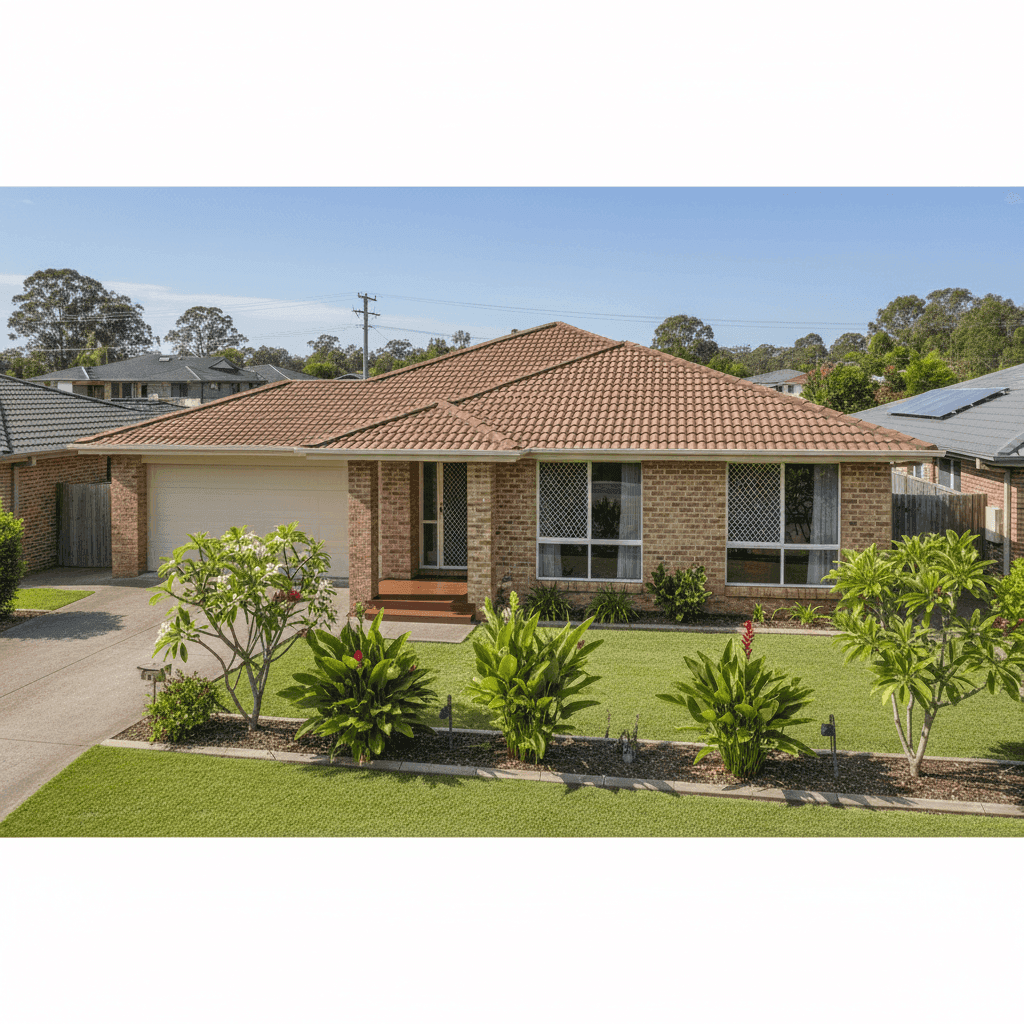
Home insurance in Queensland can vary dramatically from one suburb to the next — and even from one property to the next on the same street. This article breaks down a real home and contents insurance quote for a four-bedroom, free-standing home in Calamvale, QLD 4116, examining what was quoted, how it stacks up against local and national benchmarks, and what homeowners in the area can do to make sure they're getting a fair deal.
---
Is This Quote Fair?
The short answer: yes — and then some.
This property received a combined home and contents quote of $1,210 per year (or about $118 per month), covering a building sum insured of $652,000 and contents valued at $154,000. The building excess sits at $2,000 and the contents excess at $1,000.
Our pricing analysis rates this quote as CHEAP — below average for the area. That's a meaningful distinction. It doesn't just mean it's slightly under the typical rate; it means this premium is sitting well below what most comparable households in Calamvale are paying for similar coverage.
For context, the suburb average premium in Calamvale is $1,895 per year, with a median of $1,877. Even at the 25th percentile — meaning 75% of quotes are more expensive — the figure is $1,679. This quote at $1,210 is comfortably below that lower boundary, which is a strong indicator of genuine value.
---
How Calamvale Compares
To fully appreciate how competitive this quote is, it helps to zoom out and look at the broader picture.
| Benchmark | Annual Premium |
|---|---|
| This quote | $1,210 |
| Calamvale suburb average | $1,895 |
| Calamvale suburb median | $1,877 |
| QLD state average | $4,547 |
| QLD state median | $3,931 |
| National average | $2,965 |
| National median | $2,716 |
The numbers tell a compelling story. Queensland is one of the most expensive states in Australia for home insurance — largely driven by cyclone-prone regions in the north, flood-affected river catchments, and severe storm activity across the southeast. The state average of $4,547 is more than 50% higher than the national average, reflecting just how much risk pricing can vary within a single state.
Against that backdrop, a Calamvale quote of $1,210 looks exceptional. It's roughly 36% below the suburb average, 73% below the QLD state average, and 59% below the national average. Even accounting for the Brisbane LGA average of $16,277 — which is heavily skewed by high-risk flood and storm-affected properties — this quote represents a very favourable outcome for the homeowner.
It's worth noting that the suburb sample size for Calamvale is 34 quotes, which is a reasonable dataset for a suburban postcode. The consistency between the average ($1,895) and median ($1,877) suggests there aren't major outliers distorting the figures — this suburb genuinely sits in a moderate risk band, and this particular quote is outperforming even that.
---
Property Features That Affect Your Premium
Insurance underwriters don't just price a suburb — they price a specific property. Several characteristics of this home work in its favour when it comes to premium calculation.
Brick Veneer Construction Brick veneer walls are generally viewed favourably by insurers. They offer solid fire resistance and structural integrity compared to lightweight cladding materials, which can translate to lower rebuild risk assessments and, by extension, lower premiums.
Tiled Roof Concrete or terracotta tile roofs are considered durable and relatively low-maintenance. They perform well in hail events compared to corrugated iron and are a standard, well-understood material for insurers to price — reducing uncertainty in the risk model.
Slab Foundation A concrete slab foundation is a common and stable choice in Queensland's subtropical climate. It's less susceptible to termite ingress than older timber stumped foundations and generally presents fewer structural risk concerns.
Construction Year: 1997 A home built in 1997 benefits from building codes that were already incorporating modern standards, without being so old as to raise concerns about outdated wiring, plumbing, or materials. It sits in a sweet spot for insurers — not brand new, but not ageing infrastructure either.
No Pool, No Solar, No Ducted Climate Control Each of these features can add complexity — and cost — to an insurance policy. Pools introduce liability considerations, solar panels add replacement value to the roof structure, and ducted systems increase the contents and building value. The absence of all three keeps this policy straightforward and lean.
No Cyclone Risk Calamvale sits in Brisbane's southern suburbs, well outside the cyclone risk zone that dramatically inflates premiums for properties in North Queensland. This is one of the single biggest factors keeping premiums manageable in this area.
---
Tips for Homeowners in Calamvale
Even with a competitive quote in hand, there are always ways to ensure you're protected appropriately and not leaving money on the table.
- Review your sum insured regularly. Construction costs in Queensland have risen significantly in recent years. A building sum insured of $652,000 for a 214 sqm home works out to roughly $3,047 per sqm — which is reasonable, but worth revisiting annually as labour and material costs continue to shift.
- Check your contents value is realistic. $154,000 in contents cover sounds substantial, but it can go quickly when you account for furniture, appliances, clothing, electronics, and jewellery. Do a room-by-room audit every year or two to make sure you're not underinsured.
- Understand your excess structure. This policy carries a $2,000 building excess and a $1,000 contents excess. A higher excess typically lowers your premium, but make sure you could comfortably cover that amount out of pocket in the event of a claim — particularly for a building claim, which is often the more costly scenario.
- Compare at renewal time, not just when you first buy. Insurers often reserve their sharpest pricing for new customers. If your premium creeps up at renewal, it's worth running a fresh comparison — the market may have moved in your favour.
---
Compare Your Own Quote
Whether you're a homeowner in Calamvale or anywhere else in Australia, the best way to know if you're getting a fair deal is to compare. CoverClub makes it easy to see how your current premium stacks up against real quotes from across the market.
Get a home insurance quote today and find out if you're overpaying — or already onto a winner.