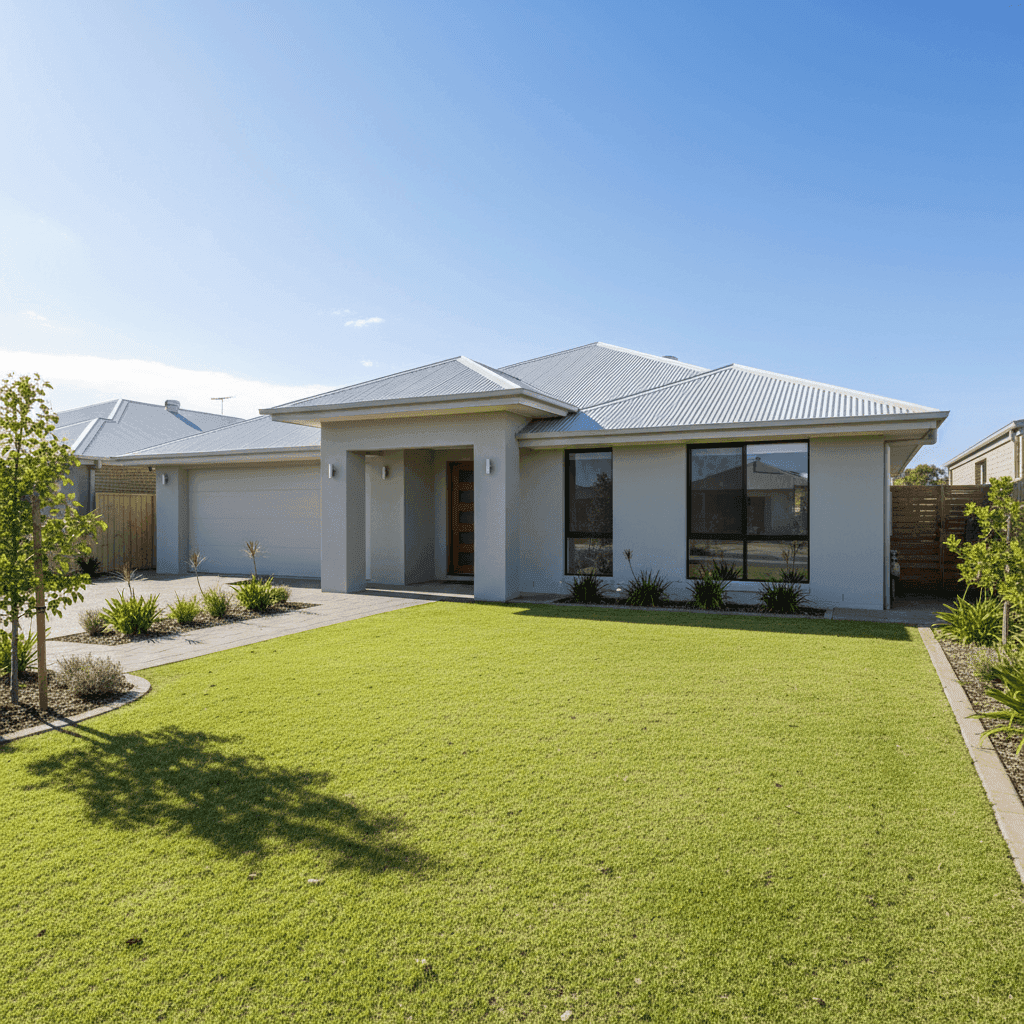
Calliope is a growing residential suburb in the Gladstone Region of Central Queensland, sitting roughly 20 kilometres inland from the coast. It attracts families looking for space, value, and a quieter lifestyle — and the housing stock reflects that, with plenty of solid, modern free-standing homes built over the last two decades. If you own or are considering insuring a property here, understanding what a fair premium looks like is an important first step.
This article breaks down a real home and contents insurance quote for a four-bedroom, two-bathroom free-standing home in Calliope, examining how it compares to local, state, and national benchmarks — and what factors are likely driving the price.
---
Is This Quote Fair?
The quote in question comes in at $2,960 per year (or $289/month) for combined home and contents cover, with a building sum insured of $1,099,000 and contents valued at $50,000. Both the building and contents excess are set at $1,000.
Based on CoverClub's pricing data, this quote is rated CHEAP — sitting well below the suburb average. That's a meaningful result, particularly in Queensland where premiums can be elevated due to weather-related risk factors.
To put it plainly: this homeowner is paying significantly less than most of their neighbours for comparable cover. Whether that's a result of the property's construction type, the insurer's pricing model, or simply a well-timed comparison, it represents genuine value.
---
How Calliope Compares
To understand just how competitive this quote is, it helps to look at the numbers in context.
| Benchmark | Premium |
|---|---|
| This quote | $2,960/yr |
| Calliope suburb average | $6,243/yr |
| Calliope suburb median | $6,407/yr |
| Calliope 25th percentile | $6,061/yr |
| QLD state average | $9,129/yr |
| QLD state median | $3,903/yr |
| National average | $5,347/yr |
| National median | $2,764/yr |
A few things stand out here. First, the suburb average of $6,243 is more than double this quote — meaning the homeowner is paying roughly 53% less than the typical Calliope premium. Even at the suburb's 25th percentile (the cheapest quarter of quotes), the going rate is $6,061 — still more than twice what this policy costs.
Second, Queensland as a whole carries a high average premium of $9,129, though the state median of $3,903 suggests the average is being pulled upward by high-risk coastal and cyclone-prone areas. Calliope itself is not classified as a cyclone risk zone, which is a notable factor in keeping premiums more manageable.
Nationally, the median premium sits at $2,764, and this quote at $2,960 is only modestly above that — reinforcing that it's genuinely competitive by any measure.
It's worth noting that the suburb sample size is 11 quotes, so while the local data is directionally useful, a larger dataset would provide even greater confidence. That said, the gap between this quote and the suburb average is large enough to be significant regardless.
---
Property Features That Affect Your Premium
Several characteristics of this property are likely contributing to its favourable premium. Here's what insurers typically weigh up:
Concrete External Walls
Concrete construction is highly regarded by insurers. It offers strong resistance to fire, impact, and moisture ingress — risks that are all relevant in Queensland's variable climate. Compared to timber-framed homes, concrete walls can translate to meaningfully lower premiums.
Steel / Colorbond Roof
Colorbond steel roofing is a popular choice across regional Queensland for good reason. It's durable, lightweight, and performs well in high winds and heavy rain. Insurers generally view it favourably compared to older roofing materials like terracotta tiles or fibrous cement sheeting.
Slab Foundation
A concrete slab foundation eliminates the underfloor space that can be vulnerable to flooding, pest damage, and moisture — all of which can lead to costly claims. It's a low-risk foundation type from an insurer's perspective.
Relatively New Build (2012)
At just over a decade old, this home benefits from modern building codes and construction standards. Newer homes tend to attract lower premiums because the risk of structural failure, outdated wiring, or ageing plumbing is significantly reduced.
Above-Average Fittings
The property is noted as having above-average fittings, which contributes to the higher building sum insured of $1,099,000. While this increases the replacement cost — and therefore the insured amount — it doesn't necessarily push premiums up disproportionately, especially when the underlying construction is solid.
Ducted Climate Control
The presence of ducted air conditioning adds to the replacement value of the home's fixtures and fittings. It's factored into the sum insured and is worth ensuring is explicitly covered under your policy.
No Pool or Solar Panels
The absence of a pool removes a common liability and maintenance risk. Similarly, no solar panels means one fewer system that could be damaged in a storm or cause an electrical fault — both of which simplify the risk profile for insurers.
---
Tips for Homeowners in Calliope
Whether you're reviewing an existing policy or shopping for the first time, here are a few practical steps worth taking:
- Don't assume your current insurer is competitive. As this quote illustrates, there can be enormous variation between what different insurers charge for the same property. Even if you've been with your insurer for years, it's worth comparing at least annually — premiums can shift significantly at renewal.
- Review your sum insured carefully. A building sum insured of $1,099,000 for a 268 sqm home reflects above-average fittings and current construction costs. Make sure your figure is based on an up-to-date rebuild cost estimate, not the market value of the property. Underinsurance is one of the most common — and costly — mistakes homeowners make.
- Check what your policy says about storm and water damage. While Calliope isn't in a designated cyclone zone, Central Queensland does experience intense summer storms. Confirm that your policy covers storm surge, rainwater ingress, and flash flooding, and understand any specific exclusions that may apply.
- Consider your excess strategically. Both the building and contents excess on this policy are set at $1,000. Opting for a higher excess can reduce your annual premium, but make sure it's an amount you could comfortably cover out of pocket if you needed to make a claim.
---
Compare Your Own Quote
If you're a homeowner in Calliope or anywhere else in Queensland, the best way to know whether you're getting a fair deal is to compare. CoverClub makes it easy to see quotes side by side, so you're not leaving money on the table at renewal time.
Get a home insurance quote today and see how your premium stacks up against your suburb and state averages — it only takes a few minutes.