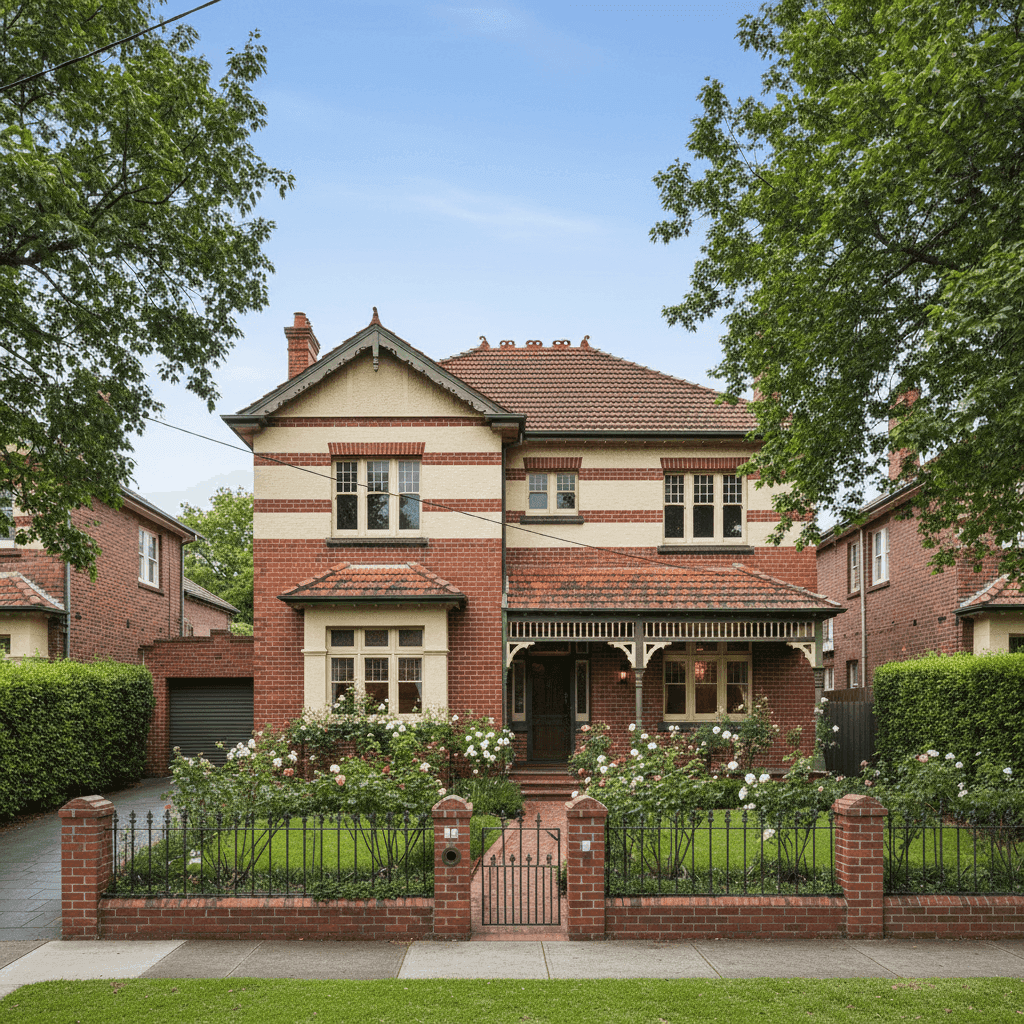
Camberwell is one of Melbourne's most established and sought-after inner-eastern suburbs, known for its leafy streets, Federation and Edwardian architecture, and strong property values. Owning a free standing home here comes with significant financial responsibility — and making sure you have the right home and contents insurance at a competitive price is an essential part of protecting that investment. In this article, we take a close look at a real insurance quote for a four-bedroom, double brick home in Camberwell (VIC 3124) and put it into context against local, state, and national benchmarks.
---
Is This Quote Fair?
The annual premium for this quote comes in at $1,710 per year (or roughly $162/month), covering both building and contents for a sum insured of $1,800,000 on the building and $175,000 on contents. Our rating for this quote is FAIR — Around Average.
That assessment holds up when you look at the numbers. The suburb average premium in Camberwell sits at $2,562/year, and the median is $2,293/year — both comfortably above this quote. In fact, at $1,710, this premium falls just above the 25th percentile ($1,575/year) for the suburb, meaning it's cheaper than roughly 75% of comparable quotes in the area. That's a solid result.
The building excess of $5,000 and contents excess of $2,000 are on the higher side, which is a key reason the premium is lower than average. Higher excesses mean the insurer carries less risk on smaller claims, and they pass some of that saving on through a reduced premium. It's worth considering whether those excess levels are comfortable for your financial situation before locking in.
Overall, for a well-built heritage property with above-average fittings and a substantial sum insured, landing below the suburb median is a genuinely competitive outcome.
---
How Camberwell Compares
To understand what you're paying in Camberwell, it helps to zoom out and look at the broader picture. Here's how the suburb stacks up:
| Benchmark | Average Premium | Median Premium |
|---|---|---|
| Camberwell (3124) | $2,562/yr | $2,293/yr |
| LGA (Boroondara) | $2,674/yr | — |
| Victoria | $2,921/yr | $2,694/yr |
| National | $2,965/yr | $2,716/yr |
Camberwell premiums are notably lower than both the Victorian state average and the national average — by around $350–$400 per year at the median level. This reflects the suburb's relatively low exposure to catastrophic weather events. Unlike coastal Queensland or parts of Western Australia, Camberwell doesn't sit in a cyclone risk zone, and it has limited flood or bushfire exposure compared to many other Victorian postcodes.
Within the City of Boroondara LGA, the average premium of $2,674 is slightly above Camberwell's own suburb average, suggesting that some neighbouring postcodes within the LGA attract higher premiums. Camberwell remains one of the more competitively priced pockets in the area.
The wide spread between the 25th percentile ($1,575) and the 75th percentile ($3,141) also tells an important story: premiums in Camberwell vary enormously depending on the insurer, the property's characteristics, and the level of cover chosen. Shopping around — rather than simply renewing automatically — can make a difference of over $1,500 a year.
---
Property Features That Affect Your Premium
Several characteristics of this particular property have a meaningful influence on its insurance premium, both positively and negatively.
Double Brick Construction Double brick is generally viewed favourably by insurers. It's durable, fire-resistant, and less susceptible to storm damage than timber-framed construction. For a home built in 1928, double brick also tends to hold its structural integrity well over time, which reduces the perceived risk of major structural claims.
Tiled Roof Terracotta or concrete tiles are a common roofing material on older Melbourne homes and are considered a moderate-risk roofing type. They're durable and long-lasting, though individual tiles can crack or dislodge in severe weather. Compared to corrugated iron or Colorbond, tiles can be slightly more expensive to repair but are generally well-regarded by insurers.
Stump Foundation Homes on stumps (also known as pier foundations) are typical of pre-war Melbourne construction. While stumps can be susceptible to subsidence or rot over time — particularly older timber stumps — they also allow for underfloor access and ventilation. Insurers may factor in the age of the stumps when assessing risk, and it's worth ensuring your policy covers issues related to foundation movement.
Age of the Property (1928) Heritage and pre-war homes can attract slightly higher premiums due to the cost of like-for-like restoration using period-appropriate materials. At a building sum insured of $1,800,000, this quote accounts for the significant rebuild cost associated with a quality older home of 268 sqm with above-average fittings.
Ducted Climate Control The presence of ducted heating and cooling is a positive for liveability, but it does add to the replacement value of the home. It's reflected appropriately in the sum insured and contents valuation.
No Pool, No Solar The absence of a swimming pool removes a common source of liability and maintenance-related claims. Similarly, no solar panels means there's no additional risk exposure from rooftop electrical systems — both factors that can marginally reduce premiums.
---
Tips for Homeowners in Camberwell
1. Review your sum insured regularly With Melbourne's construction costs rising steadily, the cost to rebuild a 268 sqm double brick home with above-average fittings can shift significantly year to year. Make sure your building sum insured keeps pace with current rebuild costs — being underinsured can leave you seriously exposed after a major loss.
2. Understand your excess before you claim A $5,000 building excess is a meaningful out-of-pocket cost if you need to make a claim. Consider whether this level is manageable for your household budget. If not, it may be worth requesting a lower excess option — even if it increases the annual premium slightly.
3. Get your stumps inspected If your home is still on original timber stumps, a professional inspection every few years is a smart investment. Restumping is a significant cost that may or may not be covered depending on your policy's terms around gradual deterioration. Knowing the condition of your foundation can also inform conversations with your insurer.
4. Compare quotes at renewal time The data is clear: premiums in Camberwell vary by more than $1,500 between the 25th and 75th percentile. Don't assume your current insurer is offering the best deal. Running a fresh comparison before your renewal date takes only a few minutes and could result in meaningful savings — without sacrificing cover quality.
---
Find a Better Deal with CoverClub
Whether you're reviewing an existing policy or insuring a Camberwell property for the first time, comparing multiple quotes side by side is the smartest way to make sure you're getting fair value. CoverClub makes it easy to see how your premium stacks up and find competitive options tailored to your property. Get a home insurance quote today and take the guesswork out of protecting one of your most valuable assets.