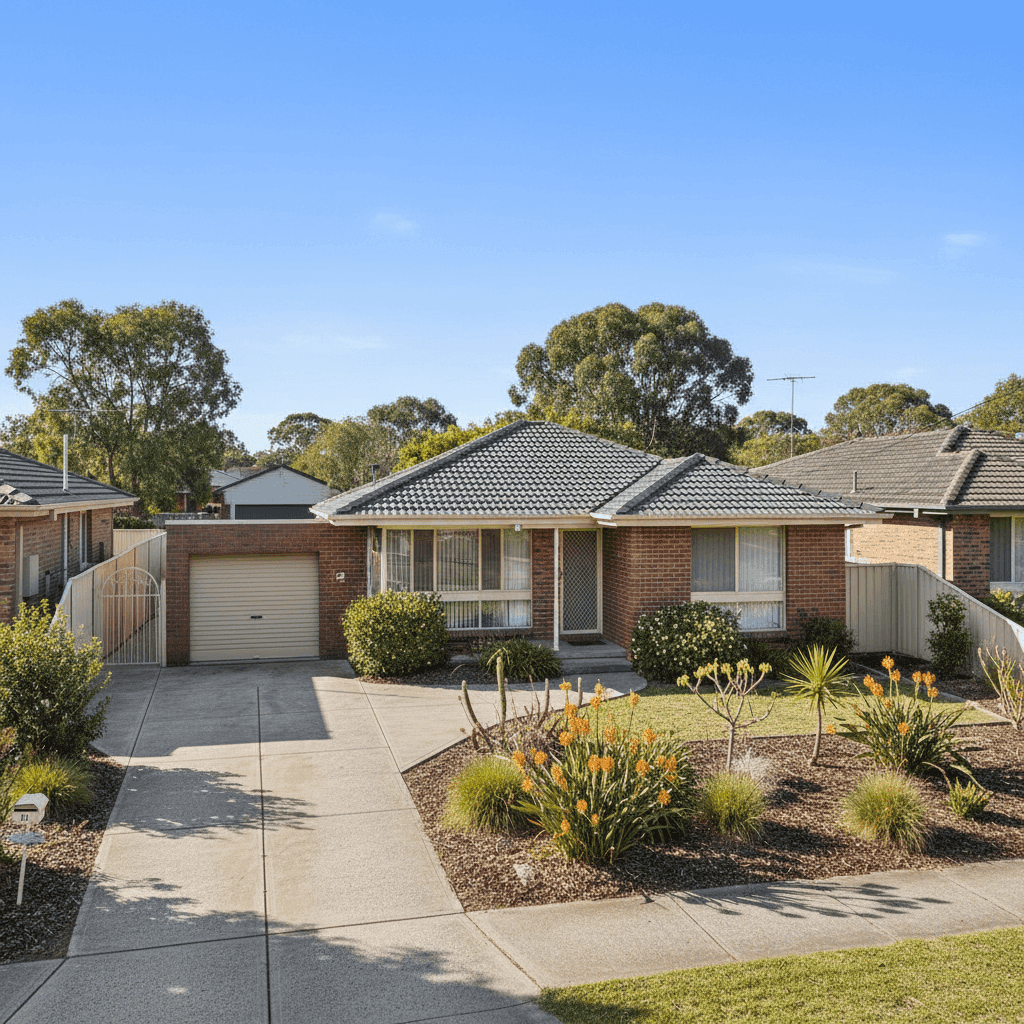
If you own a free standing home in Camden South, NSW 2570, you're probably curious about whether you're paying a fair price for building insurance — or leaving money on the table. This article breaks down a real building-only insurance quote for a three-bedroom, brick veneer home in the suburb, and puts it in context against local, state, and national benchmarks.
---
Is This Quote Fair?
The quote in question comes in at $1,668 per year (or about $160 per month) for building-only cover on a home insured for $373,000, with a $1,000 building excess. Our price rating for this quote is CHEAP — below average — which is great news for the homeowner.
To put that in perspective, the suburb average for Camden South sits at $3,077 per year, with a median of $3,135. That means this quote is roughly 46% below the local average — a significant saving of over $1,400 annually compared to what many Camden South homeowners are paying.
So yes, by any reasonable measure, this is a competitive quote. Whether it stays that way over time depends on a range of factors, but at this price point, the homeowner is well positioned.
---
How Camden South Compares
Understanding where Camden South sits in the broader insurance landscape helps frame just how well this quote performs.
| Benchmark | Annual Premium |
|---|---|
| This Quote | $1,668 |
| Camden South Suburb Average | $3,077 |
| Camden South Suburb Median | $3,135 |
| Wollondilly LGA Average | $2,297 |
| NSW State Median | $3,770 |
| National Median | $2,764 |
| NSW State Average | $9,528 |
| National Average | $5,347 |
A few things stand out here. First, the NSW state average of $9,528 is dramatically higher than both the median and the Camden South suburb figures — a sign that a small number of very expensive properties or high-risk areas are pulling the average upward significantly. The state median of $3,770 is a more reliable indicator of what most NSW homeowners pay.
Compared to the national average of $5,347, Camden South's suburb average of $3,077 is notably lower, suggesting the area carries a relatively moderate risk profile in the eyes of insurers. The national median of $2,764 is actually slightly below Camden South's median, which indicates the suburb is broadly in line with typical Australian pricing — but this particular quote still comes in well below even that national median.
It's worth noting the suburb sample size here is 17 quotes, which gives a reasonable snapshot of the local market, though a larger dataset would provide even greater confidence in these benchmarks.
---
Property Features That Affect Your Premium
Insurance premiums aren't plucked from thin air — they're calculated based on a detailed assessment of your property's characteristics. Here's how the features of this particular home likely influence its pricing:
Brick veneer construction is generally viewed favourably by insurers. It offers solid fire resistance and structural durability compared to timber or weatherboard homes, which can translate to lower rebuild risk and, in turn, lower premiums.
Tiled roof is another tick in the right column. Terracotta or concrete tiles are durable, fire-resistant, and less susceptible to storm damage than some alternative roofing materials like Colorbond or corrugated iron in certain conditions. They're a common choice across suburban Sydney and tend to be well-regarded by underwriters.
Slab foundation is standard for homes of this era and generally considered low-risk. It's less susceptible to subsidence or movement compared to older pier-and-beam foundations, which can be a factor in some older properties.
Built in 1985, the home is now around 40 years old. While not brand new, homes from this era are typically well-constructed and have stood the test of time. However, ageing electrical wiring, plumbing, and roofing materials can sometimes attract slightly higher premiums as they approach the end of their expected lifespan — something to keep in mind for future renewals.
Ducted climate control adds some value to the home's fittings and could marginally increase the cost to rebuild or repair, but at the standard fittings quality level, the impact on premiums is generally modest.
The absence of a pool and solar panels keeps things simple from an insurer's perspective — both can add complexity and cost to a policy.
At 130 sqm, this is a modestly sized home, and the $373,000 sum insured reflects a reasonable estimate of rebuild costs for a property of this size and construction type in the greater Sydney region.
---
Tips for Homeowners in Camden South
Whether you're renewing your policy or shopping around for the first time, here are some practical steps to make sure you're getting the best deal:
- Don't auto-renew without comparing. Insurance premiums can creep up at renewal time, sometimes significantly. Given that the Camden South suburb average is $3,077 — nearly double this quote — it's clear that prices vary enormously. Always get at least two or three competing quotes before renewing.
- Review your sum insured regularly. Building costs have risen sharply in recent years across NSW. If your sum insured hasn't been updated to reflect current construction costs, you could be underinsured in the event of a total loss. Use a building cost calculator or speak to a quantity surveyor to validate your figure.
- Consider your excess carefully. This policy carries a $1,000 excess. Opting for a higher excess — say, $2,000 — can reduce your annual premium further, which may make sense if you have a solid emergency fund and are unlikely to make small claims.
- Check for discounts you may be eligible for. Some insurers offer discounts for security systems, smoke alarms, or bundling building and contents cover. Even if you don't need contents cover right now, it's worth asking whether a combined policy offers better value overall.
---
Compare Your Own Quote at CoverClub
Curious how your own home insurance stacks up? CoverClub makes it easy to compare building insurance quotes from multiple providers in minutes. Whether you're in Camden South or anywhere else across Australia, you can get a personalised quote and see exactly how your premium compares to your neighbours. Don't pay more than you need to — start comparing today.