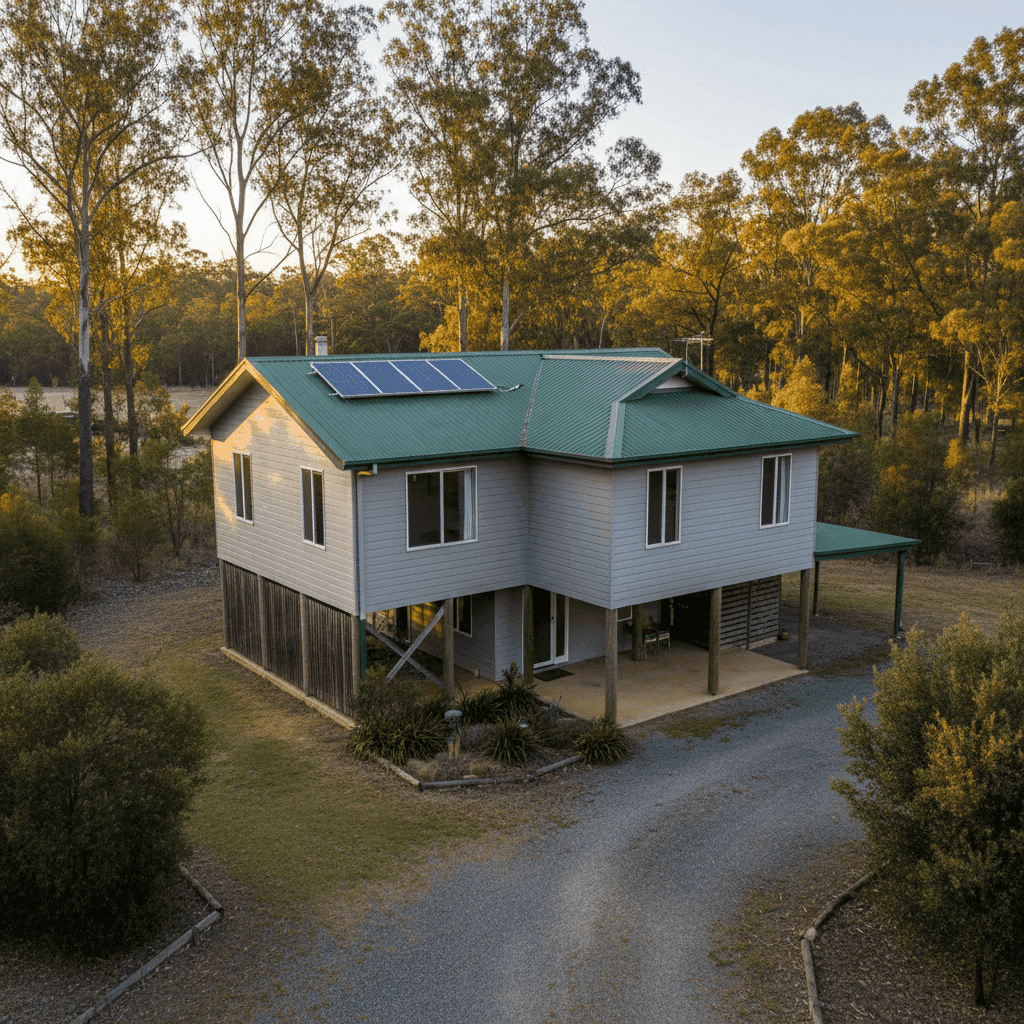
If you own a free standing home in Cann River, VIC 3890, you already know this corner of East Gippsland is one of Victoria's most scenic — and most exposed — places to live. Nestled deep in the Gippsland forests near the Snowy River National Park, Cann River is a small township that carries a big risk profile for insurers. A recent home and contents insurance quote for a 2-bedroom, 1-bathroom free standing home in this postcode came in at $21,233 per year (or $2,035/month). That's a significant figure — and it deserves a closer look.
---
Is This Quote Fair?
The short answer: this quote is rated Expensive — Above Average, and the numbers back that up clearly.
At $21,233 annually, this premium sits well above every local, state, and national benchmark we have on record. The suburb average for Cann River is $6,465/yr, and the suburb median is just $4,114/yr — meaning this quote is roughly 3.3× the local average and more than 5× the local median. Even at the 75th percentile of local quotes (i.e., the more expensive end of what Cann River homeowners typically pay), the figure sits at $9,763/yr — still less than half of this premium.
It's worth noting that the suburb sample size is small (5 quotes), so local averages can shift. But even with that caveat, the gap here is striking. This isn't a borderline "above average" result — it's a significant outlier, and understanding why is essential before accepting or renewing at this price.
The building sum insured of $550,000 and contents cover of $50,000 are meaningful inputs here. A higher rebuild value naturally drives a higher premium, and in regional Victoria, construction costs have risen sharply in recent years. That said, the premium-to-sum-insured ratio still warrants scrutiny, and comparison shopping is strongly advised.
---
How Cann River Compares
To put this quote in full context, here's how it stacks up across different benchmarks:
| Benchmark | Annual Premium |
|---|---|
| This Quote | $21,233 |
| Cann River Suburb Average | $6,465 |
| Cann River Suburb Median | $4,114 |
| East Gippsland LGA Average | $3,003 |
| VIC State Average | $3,000 |
| VIC State Median | $2,718 |
| National Average | $5,347 |
| National Median | $2,764 |
You can explore broader Victoria home insurance statistics or the national home insurance data to see how different regions compare.
A few things stand out in this table. The East Gippsland LGA average of $3,003/yr aligns closely with the VIC state average — suggesting that, in general, East Gippsland isn't dramatically more expensive than the rest of Victoria. Cann River itself, however, tells a different story. The suburb average of $6,465/yr is more than double the LGA average, pointing to localised risk factors that insurers are pricing in specifically for this postcode.
---
Property Features That Affect Your Premium
Several characteristics of this property are likely contributing to its elevated premium:
Hardiplank/Hardiflex external walls are a fibre cement cladding product — generally considered fire-resistant and durable, which is a positive for insurers. However, in a bushfire-prone area like Cann River, the overall location risk tends to dominate the rating, regardless of wall construction.
Steel/Colorbond roof is one of the most insurer-friendly roofing materials available in Australia. It's durable, low-maintenance, and performs well in both fire and storm events. This should be a moderating factor on the premium.
Stump foundations mean the home is elevated, which can be a double-edged sword. Elevation reduces flood risk to the living areas, but stumped homes can be more vulnerable to certain wind events and may carry higher rebuild costs due to the sub-floor structure.
Timber and laminate flooring is relatively standard and unlikely to significantly move the needle on premium in isolation.
Solar panels add replacement value to the property and are typically factored into the building sum insured. Ensuring your sum insured adequately covers the panels is important — underinsurance is a real risk for solar-equipped homes.
The elephant in the room, however, is location. Cann River sits in a high bushfire risk zone. The surrounding Errinundra Plateau and Snowy River forests create significant fire exposure, and insurers price this heavily. This is almost certainly the dominant driver of the above-average premium.
---
Tips for Homeowners in Cann River
1. Shop around — seriously. A premium of $21,233/yr for this property profile is a signal to get multiple quotes. Insurers assess bushfire and location risk differently, and the spread between the cheapest and most expensive quotes for the same property can be enormous. Get a comparison quote at CoverClub to see what other insurers are offering.
2. Review your sum insured carefully. At $550,000, the building sum insured is substantial. Make sure this figure reflects the actual cost to rebuild the home (not its market value), including demolition, debris removal, and current construction costs. Overinsuring inflates your premium; underinsuring leaves you exposed. Use a building cost calculator or speak to a quantity surveyor if you're unsure.
3. Ask about bushfire mitigation discounts. Some insurers offer reduced premiums for homes that have undertaken active bushfire preparation — such as ember guards on vents, cleared defendable space, or a bushfire attack level (BAL) assessment. If you've invested in fire-hardening your property, make sure your insurer knows about it.
4. Consider your excess strategically. Both the building and contents excess on this policy are set at $1,000. Opting for a higher voluntary excess (e.g., $2,500 or $5,000) can meaningfully reduce your annual premium. Given the premium level here, even a modest reduction in percentage terms translates to hundreds of dollars saved per year.
---
Compare Your Options with CoverClub
Whether you're reviewing an existing policy or shopping for the first time, CoverClub makes it easy to compare home and contents insurance quotes across multiple providers — all in one place. With a property in a high-risk area like Cann River, the difference between insurers can be thousands of dollars annually. Don't settle for the first quote you receive. Start your comparison at CoverClub and make sure you're getting the right cover at a fair price.