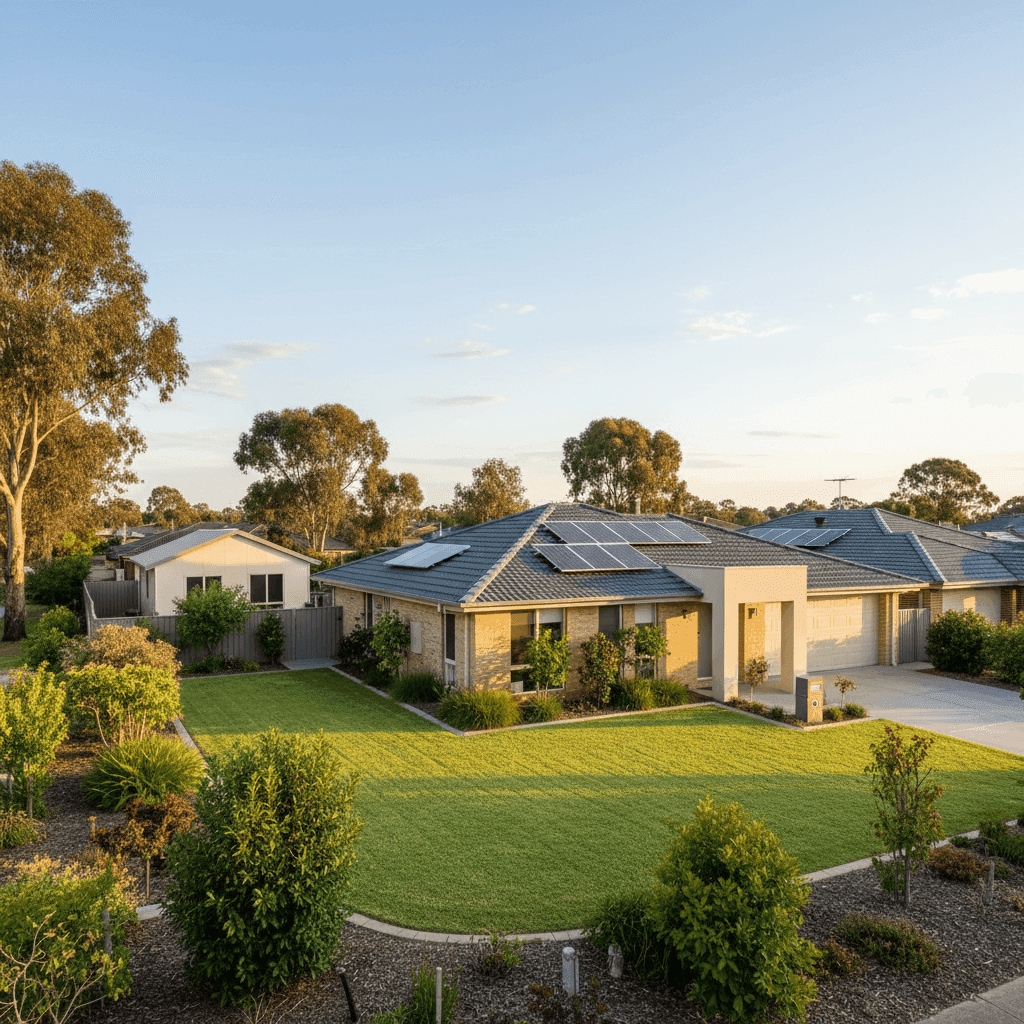
Canning Vale is one of Perth's most established southern suburbs — a family-friendly pocket of Western Australia known for its well-built homes, leafy streets, and strong community feel. If you own a free standing home here, understanding what you should be paying for home and contents insurance is an important step toward protecting one of your biggest assets. In this article, we analyse a real insurance quote for a 4-bedroom, 3-bathroom double brick home in Canning Vale (postcode 6155) and put it in context against local, state, and national benchmarks.
---
Is This Quote Fair?
The quote in question comes in at $1,437 per year (or $147/month) for combined home and contents cover, with a building sum insured of $561,000 and contents valued at $50,000. The building excess is set at $3,000, and the contents excess at $500.
Our price rating for this quote is FAIR — Around Average.
Based on data from 44 quotes collected for Canning Vale (6155), the suburb average sits at $1,264/year and the median at $1,060/year. This quote lands above both of those figures, which might raise an eyebrow at first — but context matters. The 75th percentile for the suburb is $1,657/year, meaning roughly a quarter of comparable properties are quoted even higher. At $1,437, this premium sits comfortably within the middle range of what Canning Vale homeowners are actually paying, rather than being an outlier.
It's also worth noting that this property has a granny flat, solar panels, and ducted climate control — all features that add to the insured value and complexity of the risk, which can legitimately push a premium above the suburb median.
---
How Canning Vale Compares
To put this quote in proper perspective, it helps to zoom out and look at the broader picture.
| Benchmark | Average | Median |
|---|---|---|
| Canning Vale (6155) | $1,264/yr | $1,060/yr |
| City of Melville (LGA) | $1,826/yr | — |
| Western Australia | $2,811/yr | $2,127/yr |
| National | $5,347/yr | $2,764/yr |
The numbers tell a reassuring story for Canning Vale homeowners. Premiums in this suburb are significantly lower than both the Western Australian state average of $2,811/year and the national average of $5,347/year. Even compared to the broader City of Melville LGA average of $1,826/year, Canning Vale comes out ahead.
This reflects a combination of favourable risk factors in the area: no cyclone exposure, relatively modern housing stock, and a low flood and bushfire risk profile compared to many other parts of Australia. For homeowners in this suburb, the insurance market is comparatively kind.
---
Property Features That Affect Your Premium
Every home is unique, and insurers price risk based on a range of property characteristics. Here's how the key features of this particular home influence its premium:
Double Brick Construction Double brick is widely regarded as one of the most durable and fire-resistant building materials available in Australia. Insurers generally view it favourably, as it's less susceptible to storm damage and structural failure than lightweight alternatives like weatherboard or fibro. This construction type can work in your favour when it comes to pricing.
Tiled Roof Terracotta or concrete tiles are a standard roofing material across Perth's southern suburbs. They offer solid weather resistance and longevity, though they can be more expensive to repair or replace than Colorbond steel. Overall, tiles are considered a neutral-to-positive risk factor by most insurers.
Slab Foundation & Timber/Laminate Flooring A concrete slab foundation is the norm for homes built in Perth from the 1980s onward and is generally viewed as low-risk. Timber and laminate flooring, while stylish, can be more susceptible to water damage than tiles — something to keep in mind if you're assessing your contents cover limits.
Solar Panels Solar panels are a fixed fixture of the building and are typically covered under the building sum insured rather than contents. Their presence adds to the overall replacement cost of the home, which is reflected in the $561,000 building sum insured. Make sure your policy explicitly covers solar panels for damage from storms, hail, or electrical faults.
Ducted Climate Control A ducted air conditioning system is a significant fixed asset — replacement costs can run into the tens of thousands of dollars. It's correctly captured under the building sum insured, but it's worth confirming your policy covers mechanical breakdown or storm-related damage to the unit.
Granny Flat The presence of a granny flat meaningfully increases the total insurable value of the property. Whether it's used for family, rented out, or sits empty, the structure needs to be factored into your building sum insured. If it's tenanted, you may also need to consider landlord liability cover — worth discussing with your insurer.
1994 Build At 30 years old, this home is mature but not old by Australian standards. Homes of this era are generally well-constructed, though ageing plumbing, electrical systems, and roofing may attract closer scrutiny from some insurers. Keeping maintenance up to date is both good practice and good insurance hygiene.
---
Tips for Homeowners in Canning Vale
1. Review your building sum insured regularly Construction costs in Perth have risen sharply in recent years. A sum insured set even two or three years ago may no longer be sufficient to fully rebuild your home — especially one with a granny flat and ducted systems. Use a building cost estimator or speak to a quantity surveyor to make sure you're not underinsured.
2. Consider your excess structure carefully This quote carries a $3,000 building excess, which is on the higher side. A higher excess typically reduces your annual premium, but it means a larger out-of-pocket cost when you do make a claim. Think about what you could comfortably afford in an emergency before locking in a high excess just to save on premiums.
3. Check your solar panel coverage explicitly Not all policies treat solar panels the same way. Some cover them under the building, others require a separate endorsement, and some exclude certain types of damage altogether. Given the cost of a quality solar system, it's worth reading the Product Disclosure Statement (PDS) carefully or asking your insurer directly.
4. Shop around at renewal time A "FAIR" rating means this quote is reasonable — but reasonable isn't the same as the best available. The 25th percentile for Canning Vale is $781/year, which suggests there are meaningfully cheaper options in the market for comparable properties. Even if you're happy with your current insurer, comparing quotes annually takes only a few minutes and can save you hundreds of dollars.
---
Compare Your Options at CoverClub
Whether you're reviewing your current policy or shopping for cover on a new home, CoverClub makes it easy to see how your quote stacks up. Get a home insurance quote today and compare it against real data from your suburb, your state, and across Australia — so you can make a confident, informed decision.