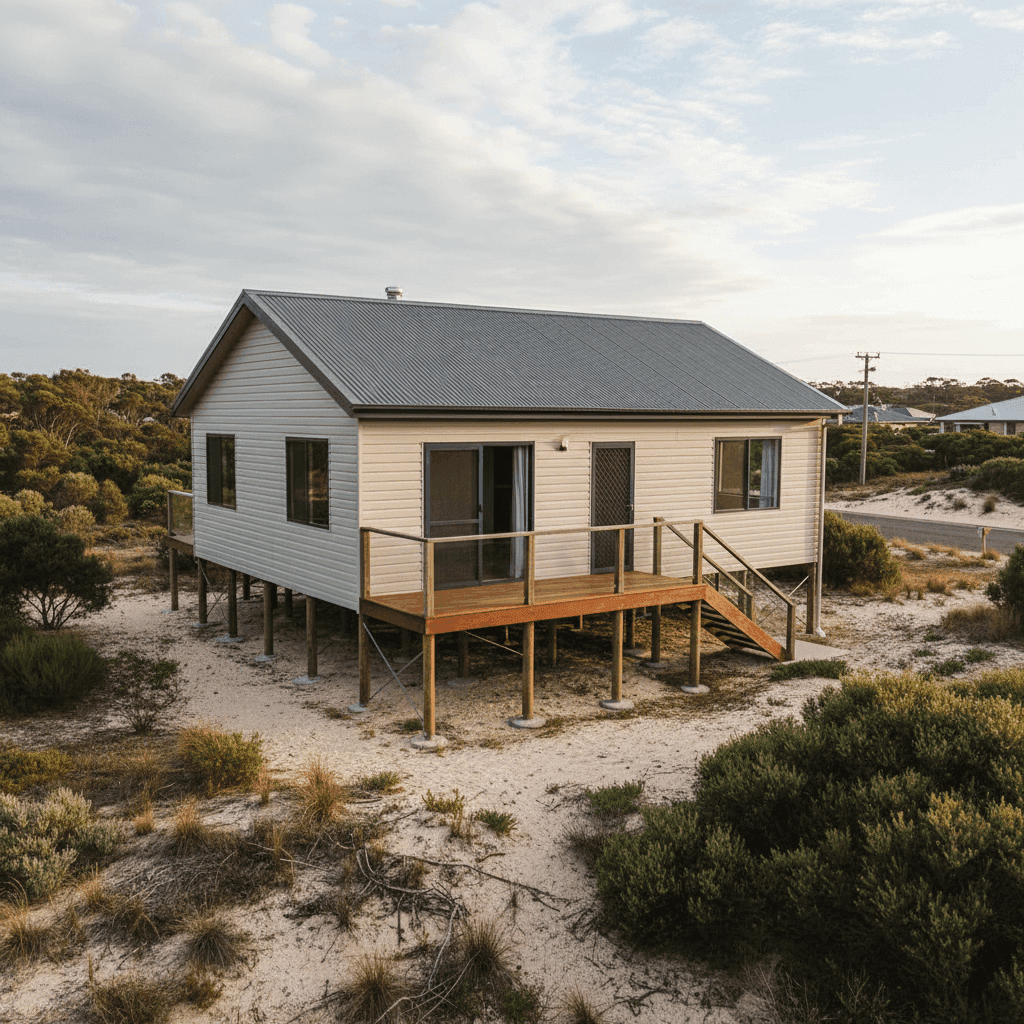
Cape Woolamai is a coastal township on Phillip Island's eastern tip — known for its dramatic surf beach, sand dunes, and relaxed seaside lifestyle. It's a popular spot for holiday homes and permanent residents alike, but like any coastal property, insuring a home here comes with its own set of considerations. This article breaks down a real building insurance quote for a three-bedroom free-standing home in Cape Woolamai (postcode 3925), comparing it against local, state, and national benchmarks to help you understand what's fair — and what to look out for.
---
Is This Quote Fair?
The quote in question sits at $1,457 per year (or around $140 per month) for building-only cover, with a $2,000 building excess and a sum insured of $417,000. Based on CoverClub's pricing data, this quote is rated CHEAP — meaning it sits below the suburb average, which is a strong result for the homeowner.
To put it in context: the suburb average premium for Cape Woolamai is $1,961/yr, and the median sits at $1,992/yr. This quote comes in roughly $500 below the suburb average — a meaningful saving that adds up over time. It also sits just below the 25th percentile for the suburb ($1,495/yr), meaning it's among the most competitively priced quotes in the area.
For a coastal Victorian property, landing a building insurance premium this far below the local average is genuinely good news. Coastal homes often attract higher premiums due to wind exposure and the elevated cost of rebuilding in regional areas, so a below-average result here is worth noting.
---
How Cape Woolamai Compares
Understanding where Cape Woolamai sits in the broader insurance landscape helps put this quote into sharper perspective. Here's how the numbers stack up:
| Benchmark | Average Premium |
|---|---|
| Cape Woolamai (3925) | $1,961/yr |
| Bass Coast LGA | $2,160/yr |
| Victoria (VIC) | $3,000/yr (avg) / $2,718/yr (median) |
| National | $5,347/yr (avg) / $2,764/yr (median) |
A few things stand out here. First, Cape Woolamai's suburb average of $1,961/yr is notably lower than the broader Victorian state average of $3,000/yr. This suggests that while the area is coastal, it doesn't carry the extreme risk loadings seen in parts of regional or northern Victoria — particularly areas prone to bushfire or flash flooding.
Second, the national average of $5,347/yr looks startlingly high — but this figure is heavily skewed by catastrophe-prone regions in Queensland, Western Australia, and the Northern Territory, where cyclone and flood risks push premiums into the stratosphere. The national median of $2,764/yr is a more representative comparison point, and Cape Woolamai still comes in well below that.
In short, Cape Woolamai is a relatively affordable suburb to insure compared to much of the country — and this particular quote makes it even more so.
---
Property Features That Affect Your Premium
Several characteristics of this property are worth examining, as they each play a role in how insurers assess risk and calculate premiums.
Aluminium cladding and Colorbond roof: This combination is generally well-regarded by insurers. Aluminium weatherboards are durable, low-maintenance, and resistant to rot and termites. A steel Colorbond roof is similarly robust — it handles coastal wind and salt air well, and is considered a lower-risk roofing material compared to tiles, which can crack or dislodge in storms. Together, these materials likely contribute to the competitive premium.
Stump foundations: The home is built on stumps, which is common for older Victorian homes — particularly in coastal and semi-rural areas. Stumped homes can be more vulnerable to movement and moisture issues over time, but they also allow for easier access and maintenance underneath the structure. Insurers generally treat stumped foundations as standard risk, though it's worth ensuring your policy covers subsidence or structural movement if that's a concern.
Timber and laminate flooring: These flooring types are common in homes of this era and don't typically attract a premium loading. However, timber floors can be more susceptible to water damage than concrete or tile, so it's worth checking your policy's water damage provisions carefully.
Construction year (1980): At over 40 years old, this home is considered established rather than new. Older homes can sometimes attract slightly higher premiums due to ageing wiring, plumbing, and structural components — but they can also benefit from solid construction and established land values. The sum insured of $417,000 appears appropriate for a 130 sqm home of this age and construction type in the area.
Ducted climate control: The presence of ducted heating or cooling is a minor factor, but it does add to the overall replacement value of the home — which is reflected in the sum insured. It's a worthwhile inclusion to ensure you're not underinsured.
---
Tips for Homeowners in Cape Woolamai
Whether you're a permanent resident or use the property as a holiday home, here are a few practical tips to make the most of your home insurance.
1. Review your sum insured annually. Building costs have risen significantly in recent years across Victoria. A sum insured that was accurate two or three years ago may no longer reflect the true cost to rebuild. Use a building cost calculator or speak with a local builder to sense-check your figure — underinsurance is one of the most common and costly mistakes homeowners make.
2. Check your coastal and storm cover. Cape Woolamai is exposed to Southern Ocean weather, and storm damage is a real risk. Make sure your policy explicitly covers storm, wind, and rainwater damage — and understand any exclusions around gradual damage or maintenance-related issues, which insurers commonly exclude.
3. Consider the excess trade-off. This quote carries a $2,000 building excess. A higher excess typically lowers your premium, but it means more out-of-pocket cost when you make a claim. Think about whether that trade-off suits your financial situation — particularly if the property is a holiday home that may sit unoccupied for extended periods.
4. Compare at renewal time. Insurance loyalty rarely pays. Premiums can shift significantly from year to year, and insurers don't always pass on their best pricing to existing customers. Make it a habit to compare quotes before your renewal date — even if your current insurer is competitive, you'll have the confidence of knowing you're getting a fair deal.
---
Ready to Compare Your Own Quote?
Whether you're insuring a holiday home, an investment property, or your family's permanent residence in Cape Woolamai, it pays to know where your premium sits relative to the market. CoverClub makes it easy to compare building and contents insurance quotes from multiple insurers in one place. Get a quote today and see how your current premium stacks up — you might be surprised at what's available.