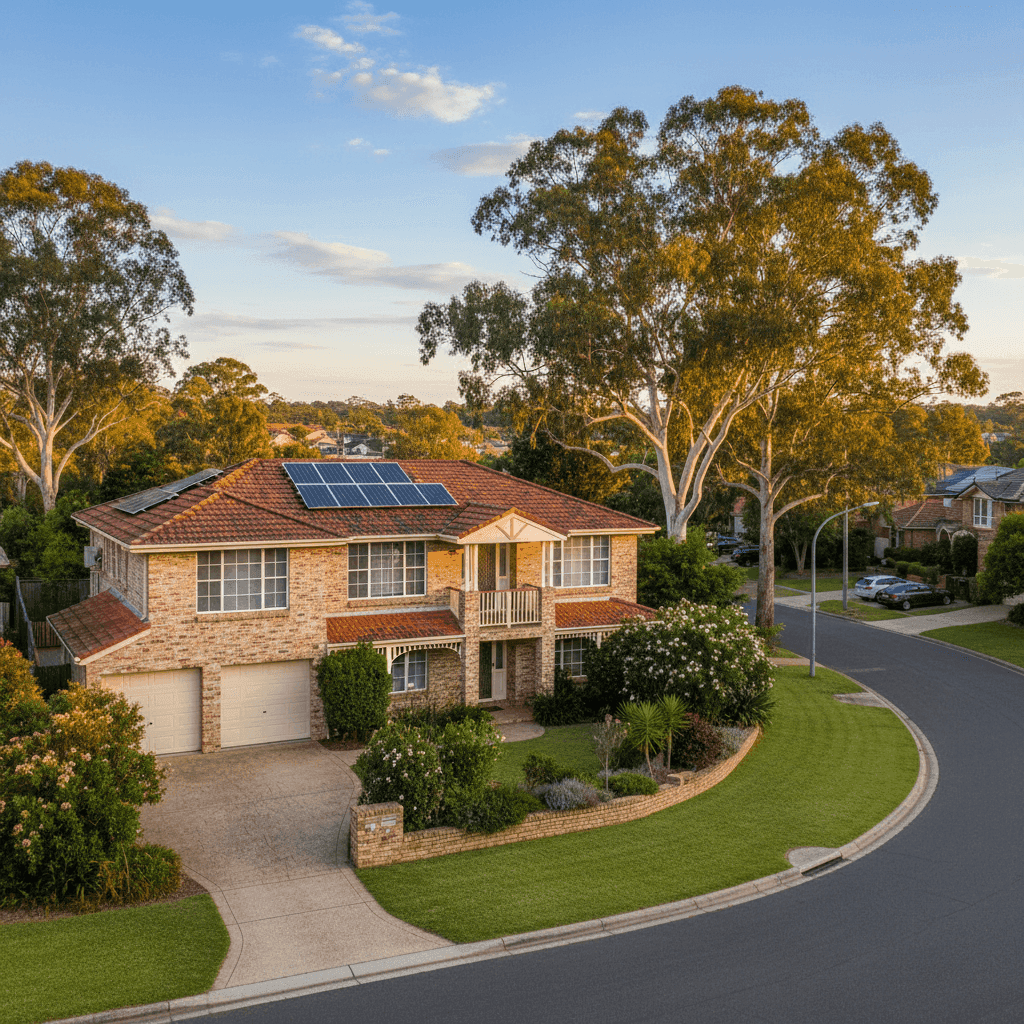
Carindale is one of Brisbane's most sought-after eastern suburbs — a leafy, established neighbourhood known for its generous block sizes, quality homes, and easy access to the city. If you own a free standing home here, understanding what you should be paying for home and contents insurance is a smart financial move. This article breaks down a real quote for a five-bedroom, three-bathroom brick veneer home in Carindale (QLD 4152), and puts the numbers in context so you can judge whether your own policy stacks up.
---
Is This Quote Fair?
The annual premium on this quote comes in at $1,993 per year (or $195 per month), covering $1,200,000 in building sum insured and $210,000 in contents. Our pricing engine rates this as CHEAP — below average for the area.
To put that in plain terms: this homeowner is paying meaningfully less than most of their neighbours for a comparable level of cover. For a property of this size and value, that's a genuinely strong result. The building excess sits at $2,000 and the contents excess at $1,000 — both reasonable figures that won't leave you badly out of pocket in the event of a smaller claim.
It's worth noting that a lower premium doesn't automatically mean inferior cover. Insurers price risk differently, and the features of this particular property — more on those below — likely contribute to a favourable assessment. That said, always read the Product Disclosure Statement carefully to confirm the policy terms meet your needs before making a decision.
---
How Carindale Compares
The numbers tell an interesting story when you zoom out:
| Benchmark | Annual Premium |
|---|---|
| This Quote | $1,993 |
| Carindale Suburb Average | $3,589 |
| Carindale Suburb Median | $3,397 |
| Carindale 25th Percentile | $2,685 |
| QLD State Average | $4,547 |
| QLD State Median | $3,931 |
| National Average | $2,965 |
| National Median | $2,716 |
Based on 64 quotes collected for Carindale, the suburb average sits at $3,589 per year — nearly 80% more than this quote. Even the cheapest quarter of Carindale quotes (the 25th percentile) comes in at $2,685, which is still $692 above what this homeowner is paying.
Compared to Queensland as a whole, the contrast is even sharper. The state average of $4,547 reflects the significant flood, storm, and cyclone risk exposure that affects many parts of Queensland — pushing premiums well above the national average of $2,965. Carindale's own suburb average of $3,589 is notably below the state figure, suggesting the area carries a more moderate risk profile than many other QLD postcodes.
The Brisbane LGA average of $16,277 per year looks alarming at first glance, but this figure is heavily skewed by high-value properties and flood-affected suburbs across the broader council area — it's not a meaningful comparison for most Carindale homeowners.
---
Property Features That Affect Your Premium
Several characteristics of this property are likely working in the homeowner's favour from a pricing perspective.
Brick Veneer Construction Brick veneer walls are generally viewed favourably by insurers. They offer solid resistance to fire and are more durable in storm conditions than lightweight cladding alternatives. This typically translates to a lower risk rating and, in turn, a more competitive premium.
Tiled Roof A concrete or terracotta tiled roof is one of the more resilient roofing options available. Tiles perform well in hail and wind events, and they have a long service life — both factors that reduce an insurer's expected claims exposure compared to, say, older corrugated iron or asbestos roofing.
Slab Foundation Concrete slab foundations are the standard for homes of this era in South East Queensland. They're structurally sound and don't carry the subsidence or pest-entry risks sometimes associated with raised timber stumps.
Solar Panels This property has solar panels, which some insurers treat as an additional item requiring specific coverage. It's important to confirm your policy explicitly covers solar panels — both the panels themselves and any damage they might cause to the roof in a storm. Many standard home insurance policies do include solar, but coverage limits and conditions vary.
1993 Build Year At around 30 years old, this home sits in a comfortable middle ground — past the era of some older problematic materials (like asbestos, which was phased out of residential construction in the 1980s), but not so new that it commands a premium rebuild cost. The 286 sqm building size is generous, and the $1,200,000 sum insured reflects the cost to rebuild a well-appointed home of this scale in today's construction market.
No Pool, No Cyclone Zone The absence of a swimming pool removes a common liability and maintenance cost factor. Being outside a designated cyclone risk area also means this property avoids the significant premium loading that applies to homes in North Queensland and coastal cyclone-prone regions.
---
Tips for Homeowners in Carindale
1. Review Your Sum Insured Annually Construction costs in South East Queensland have risen sharply over the past few years. A sum insured that was accurate in 2021 may no longer be sufficient to cover a full rebuild today. Use a building cost calculator or speak with a quantity surveyor to make sure your $1,200,000 (or whatever your current figure is) genuinely reflects today's rebuild costs — not what you paid for the property.
2. Confirm Solar Panel Coverage If your home has solar panels, don't assume they're automatically covered. Check your PDS for specific mention of solar systems, including inverters and mounting hardware. Some insurers cap coverage or require the system to be professionally installed and maintained. A quick call to your insurer can save a nasty surprise at claim time.
3. Don't Over-Insure Your Contents $210,000 in contents cover is a substantial figure. Take the time to do a proper home inventory — listing furniture, electronics, appliances, clothing, jewellery, and other valuables. Over-insuring means you're paying for cover you'll never use; under-insuring means you'll be out of pocket when it matters. Many insurers offer online calculators to help you land on the right number.
4. Compare Before You Renew One of the most consistent findings in insurance data is that loyal customers often pay more than new ones. If your insurer sends a renewal notice, treat it as an invitation to shop around. Get a quote through CoverClub to see what the current market looks like for your specific property — you might find a significant saving, just like the homeowner in this example did.
---
Find Out What Your Home Should Cost to Insure
Whether you're a first-time buyer in Carindale or a long-term homeowner wondering if your premium is still competitive, CoverClub makes it easy to compare real quotes for your specific property. Our data covers thousands of homes across Queensland and Australia, so you can see exactly where you stand. Start your comparison at CoverClub and find out if you're getting a fair deal — or paying more than you need to.