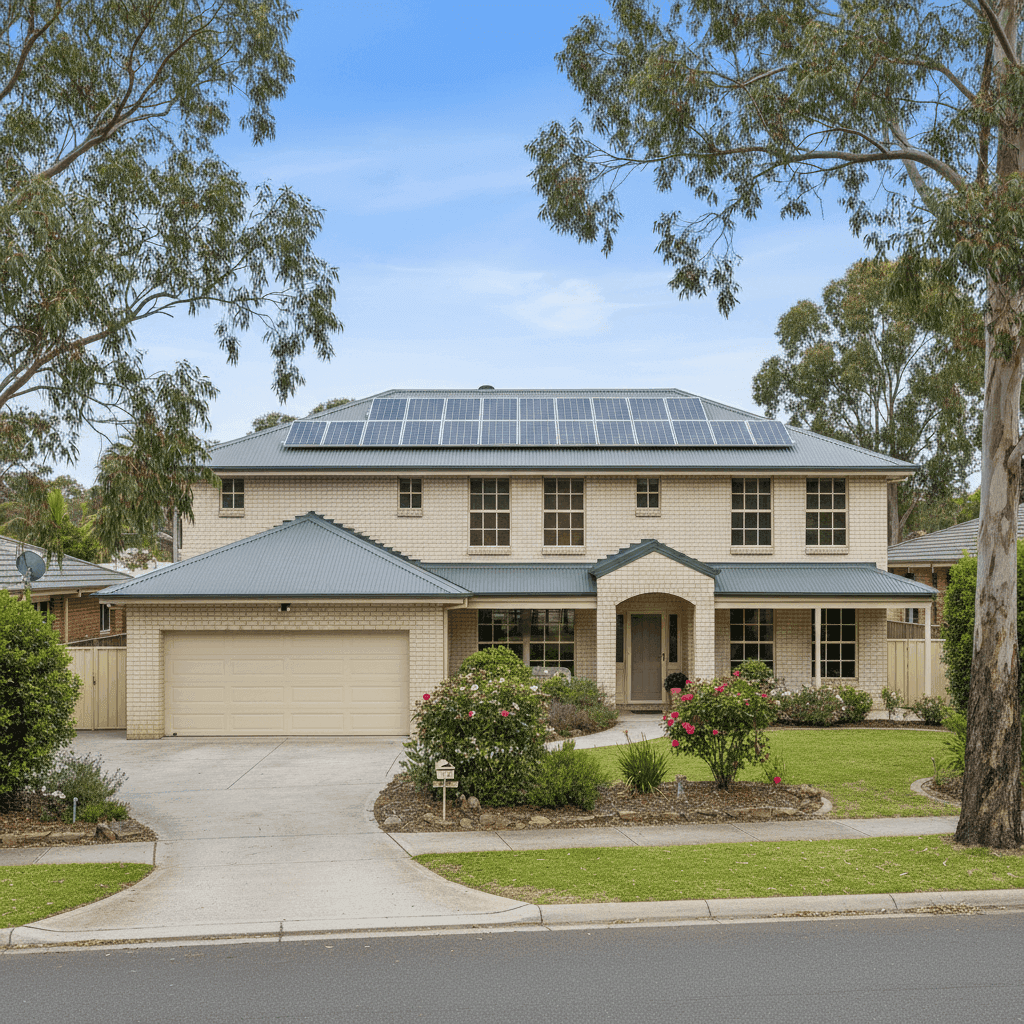
Carlingford is a well-established suburb in the Hills District of Sydney, known for its leafy streets, family-friendly atmosphere, and solid housing stock. If you own a free standing home here, understanding what you should be paying for home and contents insurance — and why — can make a real difference to your household budget. This article breaks down a recent quote for a five-bedroom, double brick home in Carlingford (NSW 2118) and puts the numbers into context.
---
Is This Quote Fair?
The quote in question comes in at $3,331 per year (or $338/month) for combined home and contents cover, with a building sum insured of $1,102,000 and contents valued at $186,000. The building excess is $3,000 and the contents excess is $1,000.
Our price rating for this quote is Expensive — above average for the Carlingford area.
To put that in perspective: the suburb average premium sits at just $1,571/year, and the median is even lower at $1,464/year. This quote is more than double the local median, which immediately raises the question — what's driving the cost up?
A few factors are worth considering. The building sum insured of $1,102,000 is substantial, reflecting the size of the property (305 sqm) and the cost of rebuilding a double brick home of this scale in today's construction market. Contents cover of $186,000 also adds meaningfully to the overall premium. Higher insured values mean higher premiums, and if the sums insured are accurate and well-considered, the quote may be justified despite its above-average price tag.
That said, it's always worth shopping around. A quote that is expensive relative to the suburb average doesn't necessarily mean it's the only option available.
---
How Carlingford Compares
To properly assess this quote, it helps to zoom out and look at the broader picture. Here's how Carlingford stacks up against the rest of New South Wales and the country:
| Benchmark | Average Premium | Median Premium |
|---|---|---|
| Carlingford (NSW 2118) | $1,571/yr | $1,464/yr |
| LGA – The Hills | $2,440/yr | — |
| New South Wales | $9,528/yr | $3,770/yr |
| National | $5,347/yr | $2,764/yr |
A few things stand out here. Carlingford's premiums are notably low compared to the NSW state average — largely because the suburb doesn't face the elevated risks (flooding, bushfire, cyclone) that push premiums sky-high in other parts of the state. The Hills LGA average of $2,440/year sits comfortably above Carlingford's suburb average, suggesting that properties with larger sums insured or greater risk profiles in the broader district do attract higher premiums.
At $3,331/year, this quote exceeds the LGA average but remains well below the NSW state average of $9,528/year — a figure heavily skewed by high-risk regional areas. Compared to the national median of $2,764/year, the quote is above average but not dramatically so, especially given the property's size and rebuild value.
The suburb sample size for Carlingford is 20 quotes, which provides a reasonable but not exhaustive baseline. It's worth noting that the 75th percentile for the suburb sits at $1,673/year — meaning this quote is above even the most expensive quarter of local premiums, largely attributable to the higher-than-typical sum insured.
---
Property Features That Affect Your Premium
Several characteristics of this property have a direct bearing on the premium calculated:
Double Brick Construction Double brick is one of the more resilient wall types in Australian residential construction. It offers strong resistance to fire, wind, and impact damage, which insurers generally view favourably. However, it can also be more expensive to repair or rebuild than timber-framed homes, which can push rebuild costs — and therefore sum insured — higher.
Steel/Colorbond Roof Colorbond roofing is widely regarded as durable and low-maintenance. It performs well in most weather conditions and is resistant to corrosion, making it a positive factor from an insurer's perspective. Compared to terracotta or concrete tiles, Colorbond is generally cheaper to replace, which can have a modest downward effect on premiums.
Slab Foundation A concrete slab foundation is standard for homes of this era and is considered structurally sound. It doesn't carry the same moisture and pest risks associated with raised timber subfloors, which is a neutral-to-positive factor for insurers.
Timber/Laminate Flooring Flooring type can influence contents and internal damage claims. Timber and laminate floors can be susceptible to water damage, which is something worth considering when reviewing your policy's water damage inclusions and exclusions.
Solar Panels This property has solar panels installed. Solar panels are typically covered under building insurance, but it's important to confirm this with your insurer. Some policies require specific endorsement for solar systems, particularly for higher-value installations. Make sure your sum insured accounts for the replacement cost of your panels.
Construction Year: 1975 At approximately 50 years old, this home is well into middle age by residential standards. Older homes can attract slightly higher premiums due to the increased likelihood of aging infrastructure (plumbing, wiring, roofing) requiring attention. Insurers may also factor in the cost of bringing older materials up to current building codes in the event of a claim.
Property Size: 305 sqm At 305 sqm, this is a large home by Sydney standards. Larger floor areas translate directly into higher rebuild costs, which is the primary driver behind the $1,102,000 building sum insured — and a key reason this premium sits above the suburb average.
---
Tips for Homeowners in Carlingford
1. Review your sum insured regularly Building costs have risen sharply in recent years. If your sum insured hasn't been updated to reflect current construction costs, you could be underinsured — or, conversely, overinsured and paying more than necessary. Use a building cost calculator or speak with a quantity surveyor to get an accurate figure.
2. Confirm solar panel coverage With solar panels on the roof, make sure your policy explicitly covers them under the building section. Check whether the sum insured includes their replacement value and whether there are any exclusions for mechanical or electrical breakdown.
3. Consider your excess strategically This quote carries a $3,000 building excess and a $1,000 contents excess. Opting for a higher excess is one of the most effective ways to reduce your annual premium — but make sure you could comfortably cover that amount out of pocket in the event of a claim.
4. Compare quotes before renewing Given that this quote is rated as expensive relative to the local market, it's well worth comparing alternatives before accepting a renewal. Even with a large sum insured, there can be meaningful variation between insurers. Get a quote at CoverClub to see what else is available for your property.
---
Ready to Find a Better Deal?
Whether you're reviewing your current policy or shopping for cover for the first time, CoverClub makes it easy to compare home insurance options tailored to your property. Start your comparison at CoverClub and see how much you could save. You can also explore suburb-level insurance data for Carlingford, NSW state benchmarks, and national averages to make a fully informed decision.