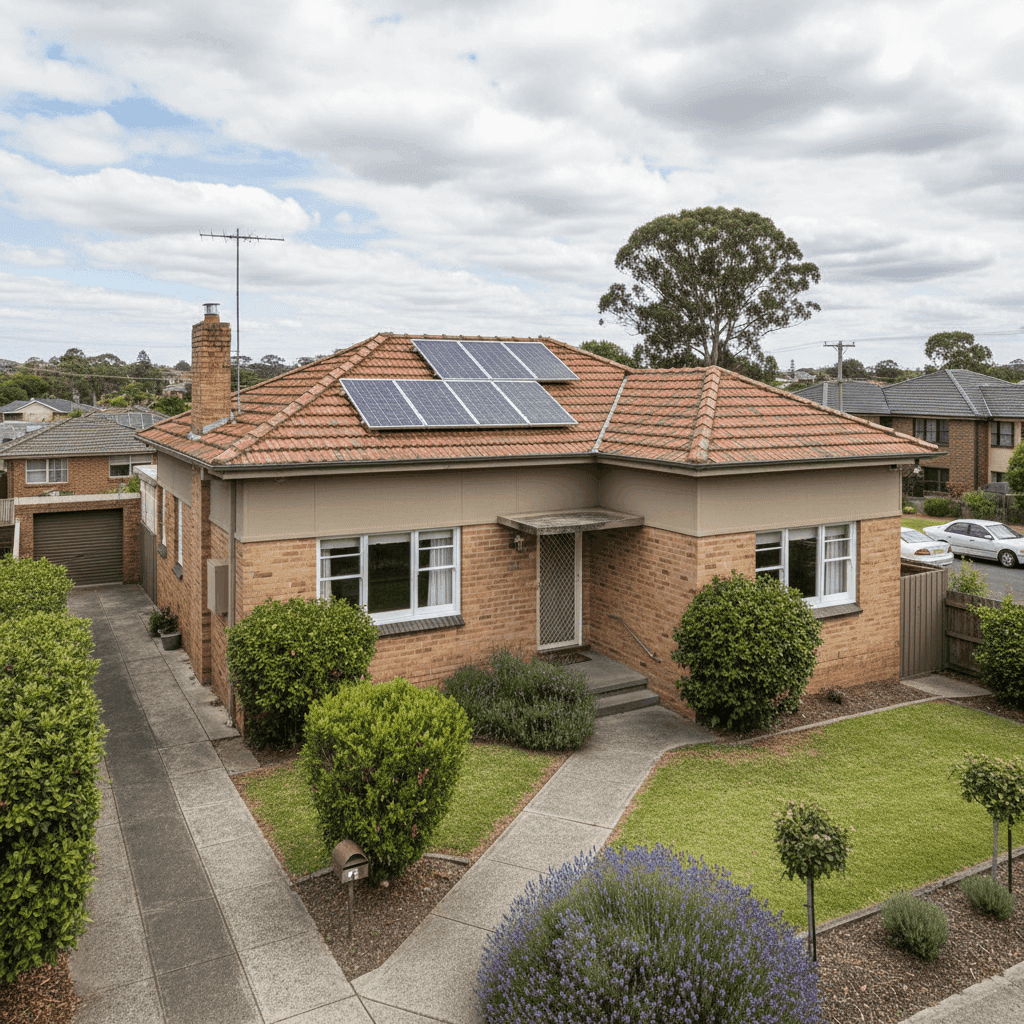
If you own a free standing home in Carlton, NSW 2218, you're likely curious about whether your home insurance premium is competitive — or whether you're quietly overpaying year after year. This article breaks down a real building insurance quote for a four-bedroom, two-bathroom brick veneer home in Carlton, compares it against local, state, and national benchmarks, and offers practical tips to help you get the best value cover.
---
Is This Quote Fair?
The annual premium for this quote comes in at $1,124 per year (or roughly $104 per month), covering building-only insurance with a $2,000 building excess on a home insured for $849,000.
Our price rating for this quote is CHEAP — below average for the area. That's genuinely good news for the homeowner. To put it in perspective:
- The suburb average for Carlton (2218) sits at $2,380/yr
- The suburb median is $2,256/yr
- Even the 25th percentile — meaning the cheapest quarter of quotes in the suburb — is $2,147/yr
This quote at $1,124 comes in well below the cheapest quartile for the suburb, making it an exceptional result by any measure. The homeowner is paying less than half the local average, which represents a potential saving of over $1,200 per year compared to what many Carlton residents are paying.
It's worth noting that a higher excess of $2,000 on the building does contribute to a lower premium — insurers reward policyholders who are willing to absorb more of the initial cost of a claim. That said, the savings here are substantial enough that this trade-off looks very favourable.
---
How Carlton Compares
To understand just how well this quote performs, it helps to zoom out and look at the broader picture. You can explore full suburb-level data on the Carlton NSW 2218 insurance stats page.
| Benchmark | Annual Premium |
|---|---|
| This Quote | $1,124 |
| Carlton Suburb Average | $2,380 |
| Carlton Suburb Median | $2,256 |
| Carlton 25th Percentile | $2,147 |
| Carlton 75th Percentile | $2,632 |
| Bayside LGA Average | $2,280 |
| NSW State Average | $3,801 |
| NSW State Median | $3,410 |
| National Average | $2,965 |
| National Median | $2,716 |
What stands out immediately is that NSW is one of the more expensive states for home insurance nationally, with a state average of $3,801 — well above the national average of $2,965. You can dig into the full NSW home insurance statistics or browse national home insurance data to see how different regions stack up.
Carlton itself, sitting within the Bayside LGA in Sydney's south, tracks reasonably close to the LGA average of $2,280. The suburb is not considered a cyclone risk area, which helps keep premiums lower than parts of Queensland or northern WA. Against the NSW state average, Carlton homeowners are already paying significantly less — and this particular quote is an outlier in the best possible sense.
---
Property Features That Affect Your Premium
Every home tells its own story when it comes to insurance risk, and this Carlton property has a mix of characteristics that insurers weigh carefully.
Brick Veneer Construction Brick veneer walls are generally viewed favourably by insurers. They offer solid fire resistance and durability compared to timber-clad homes, which can translate to more competitive premiums. While not as robust as full double-brick, brick veneer is a common and well-regarded construction type across Sydney's suburbs.
Tiled Roof Terracotta or concrete tiles are considered a lower-risk roofing material compared to metal or, particularly, older materials like fibrous cement sheeting. Tiles hold up well in storms and have good longevity, which insurers tend to reward.
Stump Foundation Homes built on stumps — as is common with pre-war and post-war construction in NSW — can be more susceptible to movement, moisture, and subsidence over time. This is worth monitoring, particularly in a home built in 1947. Insurers may factor foundation type into their risk assessment, and it's wise to ensure your stumps are in good condition.
Age of Construction (1947) Older homes carry unique considerations. Wiring, plumbing, and roofing materials from the mid-20th century may not meet modern standards, and some insurers apply loadings to homes of this era. That said, a well-maintained heritage property can still attract competitive premiums — as this quote demonstrates.
Solar Panels This property has solar panels installed, which adds some replacement value to the building. Most building insurance policies cover solar panels as part of the structure, but it's always worth confirming this with your insurer and ensuring the sum insured accounts for the full cost of replacing the system.
Sum Insured: $849,000 The building is insured for $849,000, which covers the cost to rebuild — not the market value of the property. For a 214 sqm home in Carlton, this figure appears reasonable, though homeowners should revisit their sum insured annually to account for rising construction costs, which have climbed significantly in recent years across Sydney.
---
Tips for Homeowners in Carlton
1. Review Your Sum Insured Every Year Construction costs in Sydney have risen sharply. A sum insured that was adequate two years ago may leave you underinsured today. Use a building cost calculator or speak with a quantity surveyor to make sure your $849,000 figure still reflects the true rebuild cost of your home.
2. Confirm Solar Panel Coverage With solar panels on the roof, check the fine print of your policy to confirm they are explicitly covered under your building insurance. Some policies include them automatically; others may require them to be listed separately or have specific exclusions around storm damage or inverter failure.
3. Get Your Stumps Inspected For a home built in 1947 on stump foundations, a periodic inspection by a licensed builder or pest inspector is a smart move. Deteriorating stumps can lead to structural movement, and some insurers may not cover damage that stems from gradual deterioration rather than a sudden insured event.
4. Compare Quotes at Renewal Even if you're on a great premium now, insurers regularly adjust their pricing. What's competitive today may not be next year. Make it a habit to compare quotes before your renewal date — it takes minutes and could save you hundreds.
---
Ready to Compare Your Home Insurance?
Whether you're a Carlton local or a homeowner anywhere in Australia, the best way to know if you're getting a fair deal is to compare. CoverClub makes it simple to see quotes side by side, with suburb and state benchmarks so you always know where you stand.
Get a home insurance quote today at CoverClub — it's free, fast, and could save you more than you expect.