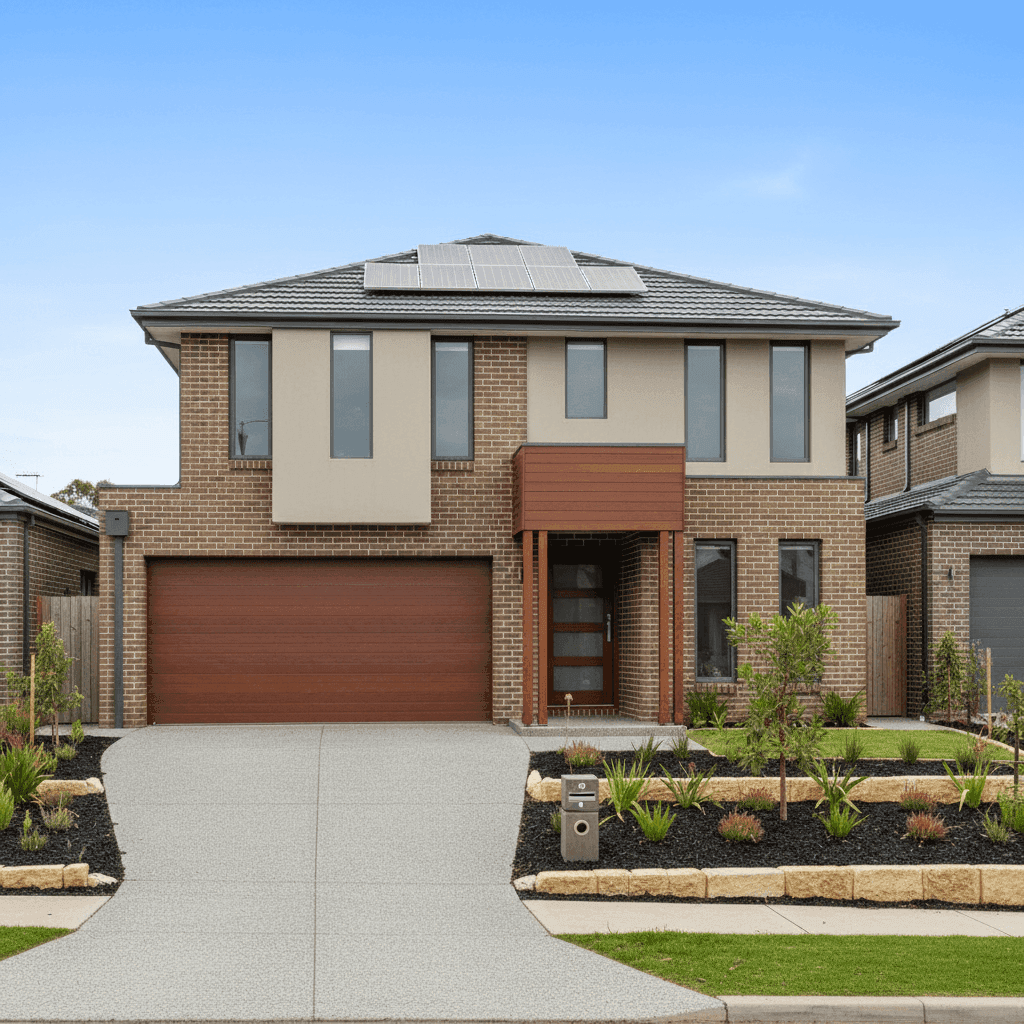
If you own a free standing home in Caroline Springs, VIC 3023, you've probably wondered whether you're paying a fair price for your building insurance — or leaving money on the table. This article breaks down a real building-only insurance quote for a four-bedroom, two-bathroom brick veneer home in the suburb, and puts it into context against local, state, and national benchmarks. Whether you're shopping around or simply reviewing your existing policy, the numbers below should give you a clearer picture of where you stand.
---
Is This Quote Fair?
The short answer: yes — and then some. The quote in question came in at $1,461 per year (or roughly $140 per month) for building-only cover on a 214 sqm free standing home insured for $505,000, with a $1,000 building excess. CoverClub rates this as CHEAP — meaning it sits below the average for comparable properties in Caroline Springs.
To put that in perspective, the suburb average for building insurance in this postcode is $2,149/year, and the median sits at $1,885/year. This quote even beats the 25th percentile of $1,553/year — meaning it's cheaper than at least 75% of quotes sampled in the area. That's a meaningful saving of nearly $700 per year compared to what most Caroline Springs homeowners are paying.
For a relatively new home built in 2017 with standard fittings, this outcome makes sense — but it's still a result that many homeowners won't automatically achieve without actively comparing their options.
---
How Caroline Springs Compares
Understanding your premium in isolation only tells part of the story. Here's how Caroline Springs stacks up across different comparison points:
| Benchmark | Annual Premium |
|---|---|
| This Quote | $1,461 |
| Caroline Springs Suburb Average | $2,149 |
| Caroline Springs Suburb Median | $1,885 |
| LGA Average (Brimbank) | $1,707 |
| VIC State Average | $3,000 |
| VIC State Median | $2,718 |
| National Average | $5,347 |
| National Median | $2,764 |
Based on 73 quotes sampled in the Caroline Springs area.
What stands out immediately is just how affordable this suburb is relative to the rest of Victoria and the country. The VIC state average of $3,000/year is more than double this quote, and the national average of $5,347/year — heavily skewed by high-risk regions in Queensland and Western Australia — is nearly four times higher.
Even within the Brimbank local government area, the LGA average of $1,707/year is well above this quote, suggesting the insurer has priced this particular property favourably. You can explore the full breakdown for this postcode on the Caroline Springs suburb stats page.
Caroline Springs benefits from being a planned, master-developed community in Melbourne's outer west — with relatively modern infrastructure, low flood risk in most pockets, and no cyclone exposure. These factors collectively keep premiums more competitive than many other parts of Australia.
---
Property Features That Affect Your Premium
Several characteristics of this home work in the owner's favour when it comes to insurance pricing. Here's what matters most:
Construction Year (2017)
Newer homes are generally cheaper to insure. A home built in 2017 complies with modern Australian building codes, which means it's designed to better withstand wind, fire, and structural stress. Older homes — particularly those built before 1990 — often attract higher premiums due to ageing materials and outdated wiring or plumbing.
Brick Veneer Walls & Tiled Roof
Brick veneer is one of the most common and well-regarded wall types in Australian suburban construction. It offers solid fire resistance and durability, and insurers tend to price it favourably compared to weatherboard or cladding. Similarly, a tiled roof is considered a reliable, low-maintenance roofing material — less prone to damage than corrugated iron in many weather events.
Slab Foundation
A concrete slab foundation is standard for modern Victorian homes and is generally viewed positively by insurers. It reduces the risk of subsidence and pest-related structural damage compared to older pier-and-beam foundations.
Solar Panels
The property includes solar panels, which are worth noting. While solar panels themselves can add a small amount of value to insure (they're typically covered under building insurance as a fixed structure), they're increasingly common and most insurers factor them in without significant premium loading. It's worth confirming with your insurer exactly what's covered — particularly for inverter damage or storm-related panel breakage.
Ducted Climate Control
Ducted heating and cooling systems are considered part of the building's fixed infrastructure and are generally covered under building insurance. These systems can be expensive to repair or replace, so having adequate sum insured is important.
No Pool, Standard Fittings
The absence of a swimming pool removes one potential source of liability and maintenance-related claims. Combined with standard (rather than high-end) fittings, this keeps the risk profile — and the premium — modest.
---
Tips for Homeowners in Caroline Springs
1. Don't Set and Forget Your Sum Insured
With construction costs rising across Victoria, the cost to rebuild a 214 sqm home has increased significantly in recent years. A sum insured of $505,000 may be appropriate today, but it's worth reviewing annually. Use a building cost calculator or ask your insurer to reassess — underinsurance is one of the most common and costly mistakes homeowners make.
2. Compare Quotes Every Year at Renewal
This quote is priced well below the suburb average, but that doesn't mean the same insurer will remain competitive next year. Premiums can shift significantly at renewal. Spending 15 minutes comparing quotes through a platform like CoverClub could save you hundreds annually.
3. Check Your Solar Panel Coverage
If your solar system was added after the home was built — or upgraded — confirm with your insurer that it's included in your building sum insured. Some policies treat solar panels as an optional extension, and gaps in coverage can be costly after a storm or hail event.
4. Consider Your Excess Carefully
This policy carries a $1,000 building excess. A higher excess typically lowers your premium, while a lower excess increases it. Think about what you could comfortably afford to pay out of pocket in the event of a claim — and make sure your excess reflects that, rather than just chasing the lowest upfront premium.
---
Ready to See What You Could Pay?
Whether you're a first-time buyer or a long-time Caroline Springs homeowner, comparing building insurance quotes takes just a few minutes and can make a real difference to your annual costs. CoverClub analyses quotes from multiple insurers so you can see exactly how your premium stacks up — and whether you're getting a fair deal.
Get a home insurance quote for your Caroline Springs property →