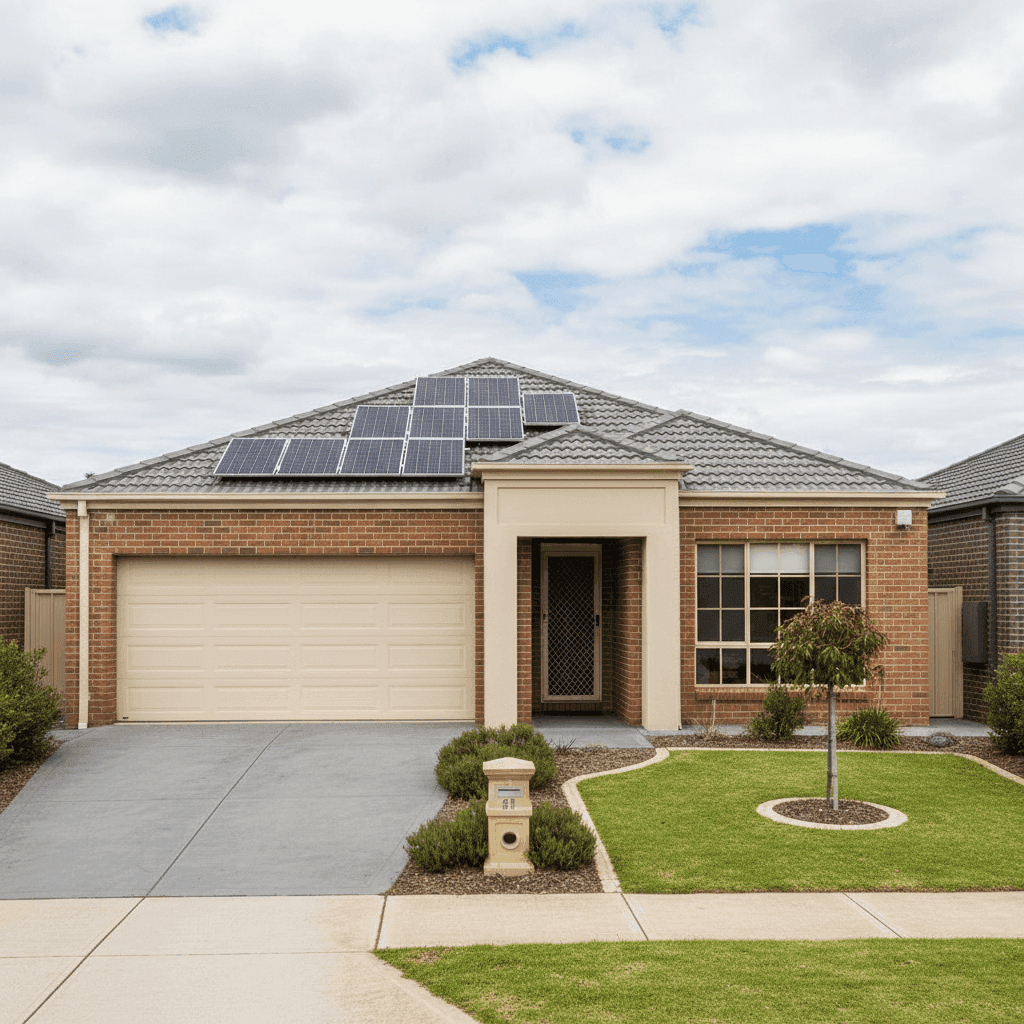
Caroline Springs, a well-established master-planned suburb in Melbourne's western corridor, has grown into one of Victoria's most popular family destinations. With its leafy streetscapes, modern amenities, and strong community feel, it's no surprise that four-bedroom free standing homes are a common sight here. But what does it actually cost to insure one — and how does a recent quote stack up against the market?
This article breaks down a real home and contents insurance quote for a four-bedroom, three-bathroom brick veneer home in Caroline Springs (postcode 3023), built in 2001, and explores what's driving the premium — and whether it represents genuine value.
---
Is This Quote Fair?
The quote in question comes in at $1,543 per year (or $145 per month) for combined home and contents cover, with a building sum insured of $544,000 and contents cover of $50,000. Both the building and contents excess are set at $1,000.
Our analysis rates this quote as CHEAP — below the suburb average — and the numbers back that up clearly.
The suburb average for Caroline Springs sits at $2,149 per year, with a median of $1,885. This quote comes in well under both benchmarks, and even sits below the suburb's 25th percentile of $1,553 — meaning it's cheaper than at least 75% of comparable quotes in the area. That's a strong result by any measure.
For homeowners wondering whether they're overpaying, this quote is a useful reference point. A premium this far below the local average suggests the insurer has assessed the property favourably — likely reflecting the relatively low-risk characteristics of the home and its location within the suburb.
---
How Caroline Springs Compares
To put this quote in broader context, it helps to look at how Caroline Springs sits within Victoria's insurance landscape and against national benchmarks.
| Benchmark | Annual Premium |
|---|---|
| This Quote | $1,543 |
| Suburb 25th Percentile | $1,553 |
| Suburb Median | $1,885 |
| Suburb Average | $2,149 |
| LGA (Brimbank) Average | $1,707 |
| VIC State Average | $3,000 |
| VIC State Median | $2,718 |
| National Average | $5,347 |
| National Median | $2,764 |
The figures are striking. At $1,543, this quote is:
- $606 below the Caroline Springs suburb average
- $164 below the Brimbank LGA average
- $1,457 below the Victorian state average
- $3,804 below the national average
Victoria's state average of $3,000 is itself well below the national average of $5,347, which is largely driven upward by high-risk regions in Queensland, Western Australia, and the Northern Territory — areas prone to cyclones, floods, and severe storms. Caroline Springs, by contrast, is not a cyclone risk area, and its position in Melbourne's west places it in a relatively moderate risk zone compared to coastal or flood-prone parts of the country.
Based on 73 quotes sampled in the 3023 postcode, there's a clear spread in what homeowners are paying — from the 25th percentile of $1,553 up to the 75th percentile of $2,379. This quote sits right at the very bottom of that range, which is genuinely impressive.
---
Property Features That Affect Your Premium
Several characteristics of this property likely contribute to its competitive premium. Understanding these factors can help homeowners make smarter decisions about their cover.
Brick Veneer Construction
Brick veneer walls are generally viewed favourably by insurers. They offer solid fire resistance compared to timber-framed or weatherboard homes, and tend to hold up well in storms. This construction type is common in Melbourne's western suburbs and is typically associated with lower rebuild risk.
Tiled Roof
Terracotta or concrete tile roofs are considered durable and low-maintenance by insurers. They perform well in moderate weather conditions and are less susceptible to wind damage than corrugated iron or Colorbond in many scenarios. Combined with the brick veneer walls, this home presents a solid risk profile.
Slab Foundation
A concrete slab foundation is the standard for homes built in this era across Victoria. It's structurally sound and doesn't carry the same concerns as raised timber stumps, which can be susceptible to rot, termites, or subsidence.
Solar Panels
The presence of solar panels is worth noting. While they add value to the property, they can slightly increase the cost to rebuild or repair — and not all standard home insurance policies automatically cover solar panels as part of the building sum insured. It's worth confirming with your insurer that your solar system is explicitly included in your policy.
Ducted Climate Control
Ducted heating and cooling systems are a significant fixed asset and should be covered under your building policy. As with solar panels, it's worth verifying this is captured in your sum insured to avoid being underinsured in the event of a total loss.
Building Size and Age
At 153 square metres and built in 2001, this home sits in a sweet spot — large enough to be a comfortable family home, but not so large that rebuild costs become extreme. Homes built around this era in Victoria are generally well-constructed and comply with building codes that were being progressively updated through the late 1990s and early 2000s.
---
Tips for Homeowners in Caroline Springs
Whether you're reviewing an existing policy or shopping for the first time, here are four practical tips for getting the most out of your home insurance in Caroline Springs.
1. Check Your Sum Insured Regularly
Construction costs have risen significantly in recent years. A building sum insured of $544,000 may have been adequate when the policy was first taken out, but it's worth running a current rebuild cost estimate to ensure you're not underinsured. Use an independent building cost calculator or ask your insurer to review the figure annually.
2. Confirm Solar Panels Are Covered
As mentioned above, solar panels aren't always automatically included in standard building cover. Check your Product Disclosure Statement (PDS) carefully, and if your system isn't listed, ask your insurer to add it or adjust your sum insured accordingly.
3. Don't Assume Loyalty Saves You Money
Many Australian insurers quietly increase premiums at renewal without significant changes to your risk profile. It's worth comparing your renewal quote against the market each year — even if your current insurer has been competitive in the past. The Caroline Springs suburb stats show a wide range in what locals are paying, suggesting there's real variation between insurers.
4. Consider Your Excess Carefully
This policy carries a $1,000 excess on both building and contents. Opting for a higher excess can reduce your annual premium, but make sure you're comfortable covering that amount out of pocket in the event of a claim. For most homeowners, a $1,000 excess strikes a reasonable balance between affordability and financial exposure.
---
Ready to Compare?
If you're a homeowner in Caroline Springs or anywhere else in Australia, it pays to know what the market looks like before you commit to a policy. CoverClub makes it easy to compare home and contents insurance quotes side by side, so you can see exactly where your premium sits relative to your suburb, state, and the national average.
Get a quote today at CoverClub and find out whether you're getting a fair deal — or leaving money on the table.