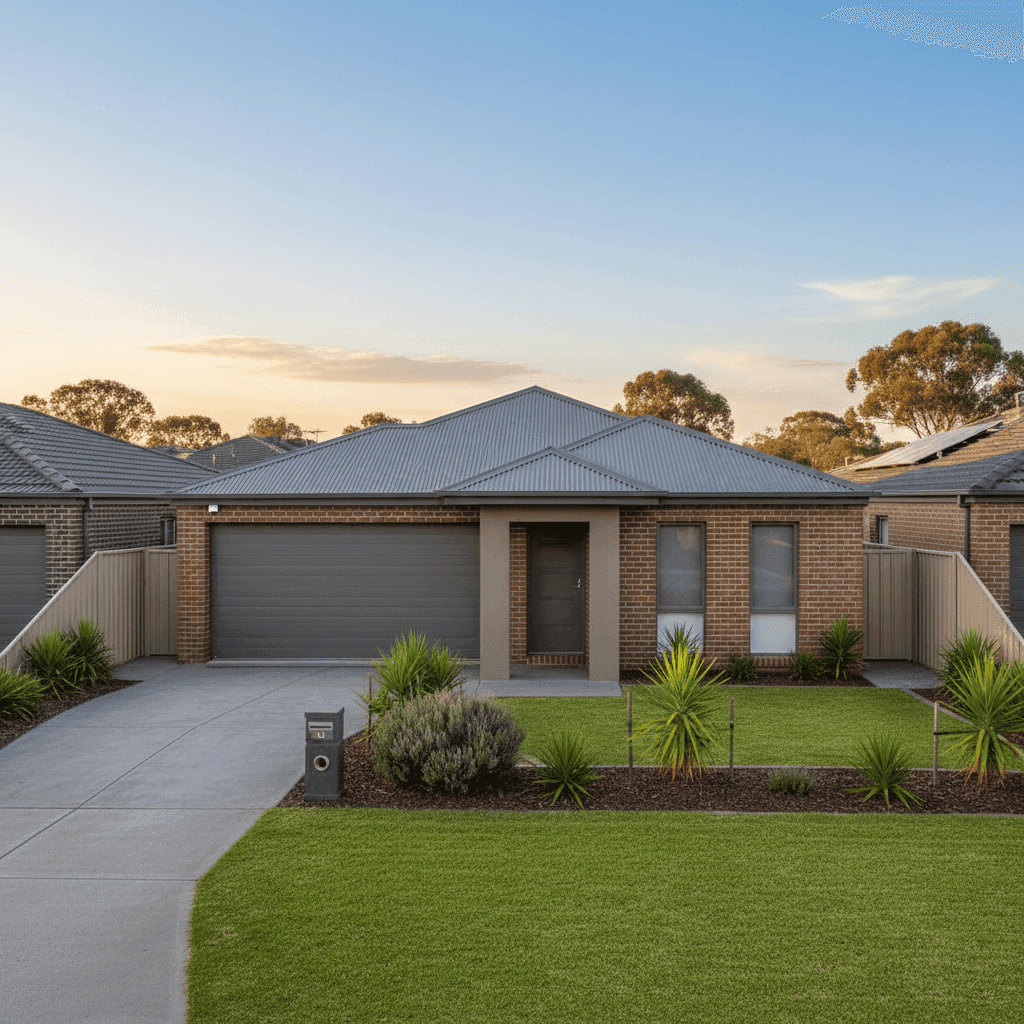
If you own a free standing home in Caroline Springs, VIC 3023, you've probably wondered whether you're paying a fair price for home insurance — or quietly overpaying without realising it. This article breaks down a real home and contents insurance quote for a 2-bedroom brick veneer home in the suburb, compares it against local, state, and national benchmarks, and offers practical advice for homeowners looking to get better value.
---
Is This Quote Fair?
The quote in question comes in at $1,453 per year (or roughly $139 per month) for combined home and contents cover, with a building sum insured of $459,000 and contents valued at $90,000. Both the building and contents excess are set at $1,000.
By our pricing analysis, this quote is rated CHEAP — sitting below the suburb average. That's genuinely good news for the homeowner. In a market where insurance premiums have been climbing steadily across Australia, landing below the local average is a meaningful win.
To put it in context: the suburb average for Caroline Springs sits at $2,149 per year, with a median of $1,885. This quote undercuts the suburb median by roughly $432 per year — and falls below even the 25th percentile of local quotes ($1,553/yr), meaning it's cheaper than at least 75% of comparable quotes gathered in the area. Based on a sample of 73 quotes from the Caroline Springs postcode, that's a statistically meaningful result, not just a lucky outlier.
---
How Caroline Springs Compares
Caroline Springs sits within the City of Melton local government area in Melbourne's western growth corridor — not to be confused with the neighbouring Brimbank LGA, which records an average premium of $1,707/yr. Either way, Caroline Springs homeowners are paying considerably less than the Victorian and national averages.
Here's how the numbers stack up:
| Benchmark | Average Premium |
|---|---|
| This Quote | $1,453/yr |
| Caroline Springs Suburb Average | $2,149/yr |
| Caroline Springs Suburb Median | $1,885/yr |
| Brimbank LGA Average | $1,707/yr |
| VIC State Average | $3,000/yr |
| VIC State Median | $2,718/yr |
| National Average | $5,347/yr |
| National Median | $2,764/yr |
The gap between this quote and the national average is particularly striking — at $1,453/yr, this homeowner is paying less than 27% of the national average premium. Much of that difference is explained by geography: Victoria, and Melbourne's western suburbs in particular, don't face the same extreme weather risks (cyclones, severe flooding, bushfire exposure) that push premiums sky-high in parts of Queensland, Northern Territory, and regional NSW.
Still, even within Victoria, this quote is well below the state average of $3,000/yr — suggesting the specific property characteristics and insurer pricing are both working in this homeowner's favour.
---
Property Features That Affect Your Premium
Several features of this particular property help explain why the quote lands where it does.
Brick Veneer Construction Brick veneer is one of the most common wall types in Australian suburban homes, and insurers generally view it favourably. It offers solid fire resistance and durability compared to timber-framed cladding, which can translate to lower premiums.
Steel / Colorbond Roof Colorbond steel roofing is highly regarded by insurers for its resilience. It handles wind, rain, and heat well, and is far less susceptible to hail damage than older tile roofs. In a suburb like Caroline Springs — which doesn't fall within a designated cyclone risk zone — this is a real premium advantage.
Concrete Slab Foundation Slab-on-ground construction is the standard for homes built in Melbourne's growth corridors during the late 1990s and 2000s. It's structurally sound and reduces the risk of subsidence or underfloor damage claims, which insurers factor into their risk models.
Construction Year: 2002 At just over 20 years old, this home sits in a sweet spot for insurers — modern enough to meet contemporary building codes, but not so new that replacement costs are at a premium. Homes built after the major updates to the Building Code of Australia in the late 1990s tend to attract better rates.
No Pool, No Solar Panels Both pools and rooftop solar systems add complexity (and liability) to home insurance policies. The absence of these features keeps the risk profile clean and straightforward.
Ducted Climate Control This is one feature that can nudge premiums slightly upward — ducted systems are expensive to repair or replace, and they're factored into the building sum insured. At $459,000, the building cover here appears appropriately calibrated for a 116 sqm home with quality fittings.
Timber / Laminate Flooring Timber and laminate floors can be costly to repair after water damage, which is worth keeping in mind when setting your contents and building sums insured. That said, this is a common flooring type and doesn't dramatically shift the risk profile.
---
Tips for Homeowners in Caroline Springs
Whether you're reviewing an existing policy or shopping for the first time, here are four practical steps worth taking:
1. Don't underinsure your building With a 116 sqm home, $459,000 in building cover works out to roughly $3,957 per sqm — which is reasonable for a brick veneer home with ducted heating/cooling in Melbourne's west. However, construction costs have risen sharply in recent years. Use a building cost calculator annually to make sure your sum insured keeps pace, and consider an inflation-protection feature if your insurer offers one.
2. Review your contents sum insured regularly $90,000 in contents cover is a solid starting point, but many homeowners underestimate what it actually costs to replace everything from scratch — furniture, appliances, clothing, electronics, and more. Do a room-by-room inventory every year or two to keep your figure accurate.
3. Compare quotes at renewal time Even if your current premium is competitive, insurers regularly reprice their books. The fact that this quote sits below the 25th percentile locally suggests there's meaningful variation in the market — which means shopping around at renewal (rather than auto-renewing) can pay off.
4. Check what's excluded A low premium is only valuable if the cover is comprehensive. Review your Product Disclosure Statement carefully for exclusions around storm damage, accidental damage, and contents away from home. These details matter far more than the headline price.
---
Compare Your Own Quote
Wondering how your home insurance stacks up? Get a quote at CoverClub and instantly see how your premium compares to others in Caroline Springs and across Victoria. With transparent data and no pressure, it's the smarter way to make sure you're getting genuine value — not just a number that sounds good.