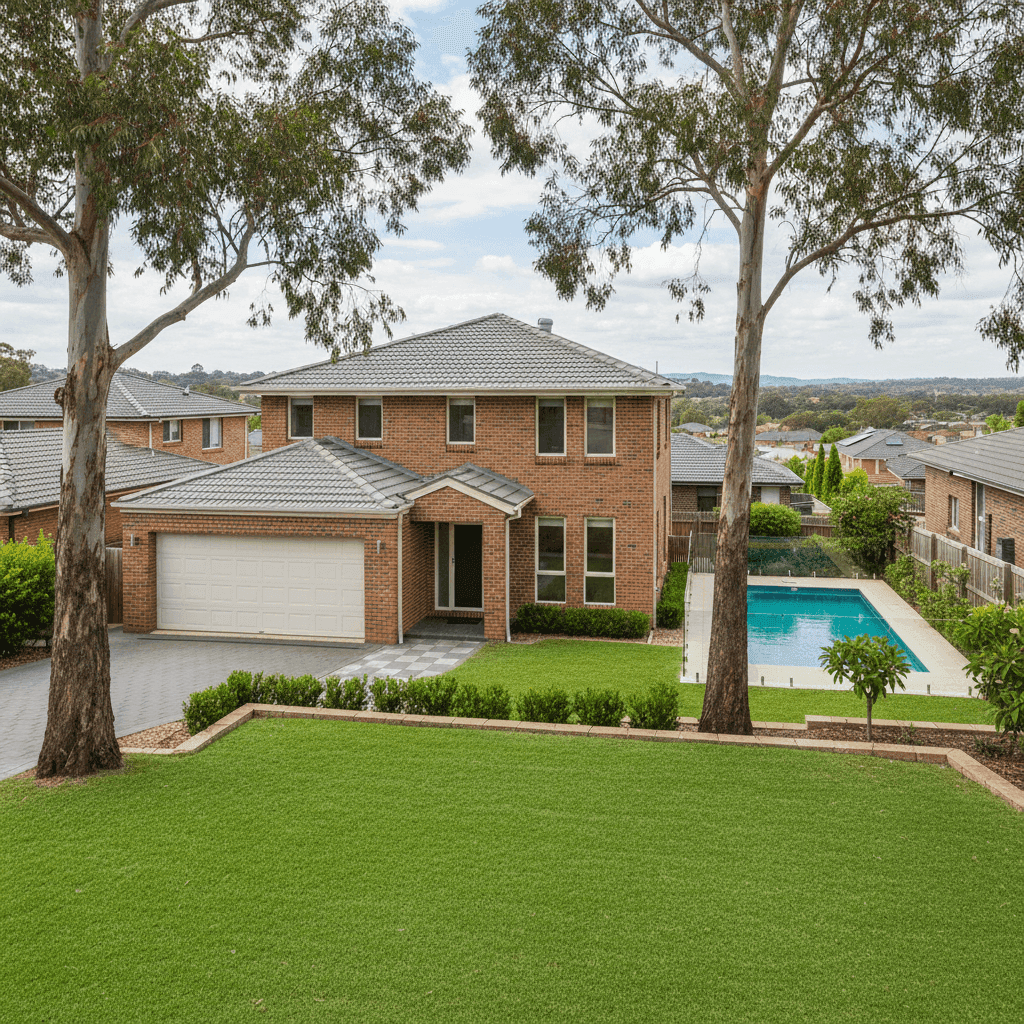
Castle Hill is one of Sydney's most established and sought-after suburbs in the Hills District, known for its leafy streets, family-friendly atmosphere, and well-built homes. If you own a free standing home in this part of north-western Sydney, understanding what you should be paying for home and contents insurance is essential — and the numbers can be surprisingly varied.
This article breaks down a real home and contents insurance quote for a five-bedroom, two-bathroom brick veneer home in Castle Hill (postcode 2154), compares it against local and national benchmarks, and offers practical tips to help you get better value on your cover.
---
Is This Quote Fair?
The quote in question comes in at $3,373 per year (or $309 per month), covering a building sum insured of $1,250,000 and contents valued at $350,000, with a $1,000 excess on both building and contents.
Our price rating for this quote is Expensive — Above Average.
To put that in context, the suburb average premium for Castle Hill sits at $2,550 per year, with a median of $2,356. This quote is approximately 32% above the suburb average and nearly 43% above the suburb median — a meaningful gap that suggests there may be room to shop around.
That said, the building sum insured of $1.25 million is on the higher end for the area, which will naturally push the premium up. A larger insured value means greater exposure for the insurer, and that cost gets passed on in the form of a higher premium. If the sum insured is accurately reflecting the rebuild cost of a 277 sqm home with standard fittings, it may be justified — but it's worth verifying that figure with a quantity surveyor or using an online building cost calculator.
---
How Castle Hill Compares
Understanding where your premium sits relative to broader benchmarks gives you real negotiating power. Here's how the numbers stack up:
| Benchmark | Annual Premium |
|---|---|
| This Quote | $3,373 |
| Castle Hill Suburb Average | $2,550 |
| Castle Hill Suburb Median | $2,356 |
| Castle Hill 25th Percentile | $2,063 |
| Castle Hill 75th Percentile | $2,689 |
| LGA (Hornsby) Average | $3,958 |
| NSW State Median | $3,770 |
| National Median | $2,764 |
A few things stand out here. While this quote looks expensive relative to the Castle Hill suburb average, it actually sits below the NSW state median of $3,770 and well below the NSW state average of $9,528 — a figure heavily skewed by high-risk coastal and flood-prone areas across the state.
Compared to the national median of $2,764, the quote is about 22% higher, though the national average of $5,347 again reflects the wide variation across Australia's diverse risk landscape.
Interestingly, the LGA average for Hornsby — the local government area covering Castle Hill — is $3,958, which is actually higher than this quote. This suggests that while the premium feels steep compared to the suburb's own median, it's not out of step with broader Hills District pricing. The suburb sample size of 14 quotes is relatively small, so the local averages should be taken as a guide rather than a definitive benchmark.
---
Property Features That Affect Your Premium
Several characteristics of this property have a direct bearing on the premium being quoted. Let's walk through the key ones:
Brick Veneer Construction Brick veneer is one of the most common wall materials in Australian suburban homes built in the 1990s, and insurers generally view it favourably. It offers good fire resistance and structural durability, which can help moderate premiums compared to timber-framed or cladded homes.
Concrete Tile Roof Concrete roofing is robust and long-lasting, but it's heavier than alternatives like Colorbond steel. Homes built in 1995 with concrete roofs may be approaching the age where maintenance becomes a consideration — insurers sometimes factor in roof age when assessing risk.
Slab Foundation A concrete slab foundation is standard for homes of this era in NSW and is generally considered a low-risk foundation type. Unlike homes on stumps or in flood-prone areas, slab homes tend to attract more straightforward underwriting.
Swimming Pool The presence of a pool adds both value and liability to the property. Insurers account for the cost of pool equipment, fencing compliance, and potential liability risks when calculating premiums. This is a meaningful contributor to the overall cost.
Ducted Climate Control Ducted air conditioning systems are expensive to repair or replace, and their inclusion in the building sum insured is appropriate. However, it's worth confirming with your insurer that the system is adequately covered under the building policy.
Building Size: 277 sqm At 277 square metres, this is a substantial home. Rebuild costs scale with floor area, so the $1.25 million sum insured may well be appropriate — but it's the single biggest lever on the premium and worth reviewing periodically.
No Cyclone Risk Castle Hill is not in a cyclone risk zone, which removes one of the most significant premium loading factors seen in northern Queensland and parts of WA. This is a genuine advantage for Hills District homeowners.
---
Tips for Homeowners in Castle Hill
1. Review Your Sum Insured Regularly Building costs have risen sharply in recent years due to labour and materials inflation. An outdated sum insured — either too high or too low — can cost you. Too low and you're underinsured; too high and you're overpaying on premiums. Consider getting a professional building valuation every two to three years.
2. Compare at Least Three Quotes Before Renewing Loyalty doesn't always pay in insurance. Many insurers offer their best rates to new customers, meaning long-term policyholders often end up paying more. Use a comparison platform like CoverClub to see what competing insurers would charge for the same level of cover.
3. Consider Increasing Your Excess The current excess on this policy is $1,000 for both building and contents. Opting for a higher excess — say $2,000 — can meaningfully reduce your annual premium. This strategy works best if you have sufficient savings to cover a larger out-of-pocket cost in the event of a claim.
4. Bundle Your Building and Contents Cover This quote already combines home and contents insurance, which typically attracts a discount compared to holding separate policies with different insurers. Make sure you're getting the full benefit of that bundling — and that your contents sum of $350,000 accurately reflects what you own.
---
Compare Your Options with CoverClub
Whether you're renewing your existing policy or shopping for the first time, it pays to know where you stand. CoverClub makes it easy to see how your premium compares to others in your suburb, your state, and across Australia. Get a quote today and find out if you could be paying less for the same level of protection — or getting more cover for what you're already spending.
For more data on home insurance pricing in your area, visit our Castle Hill suburb stats page or explore NSW-wide insurance trends.