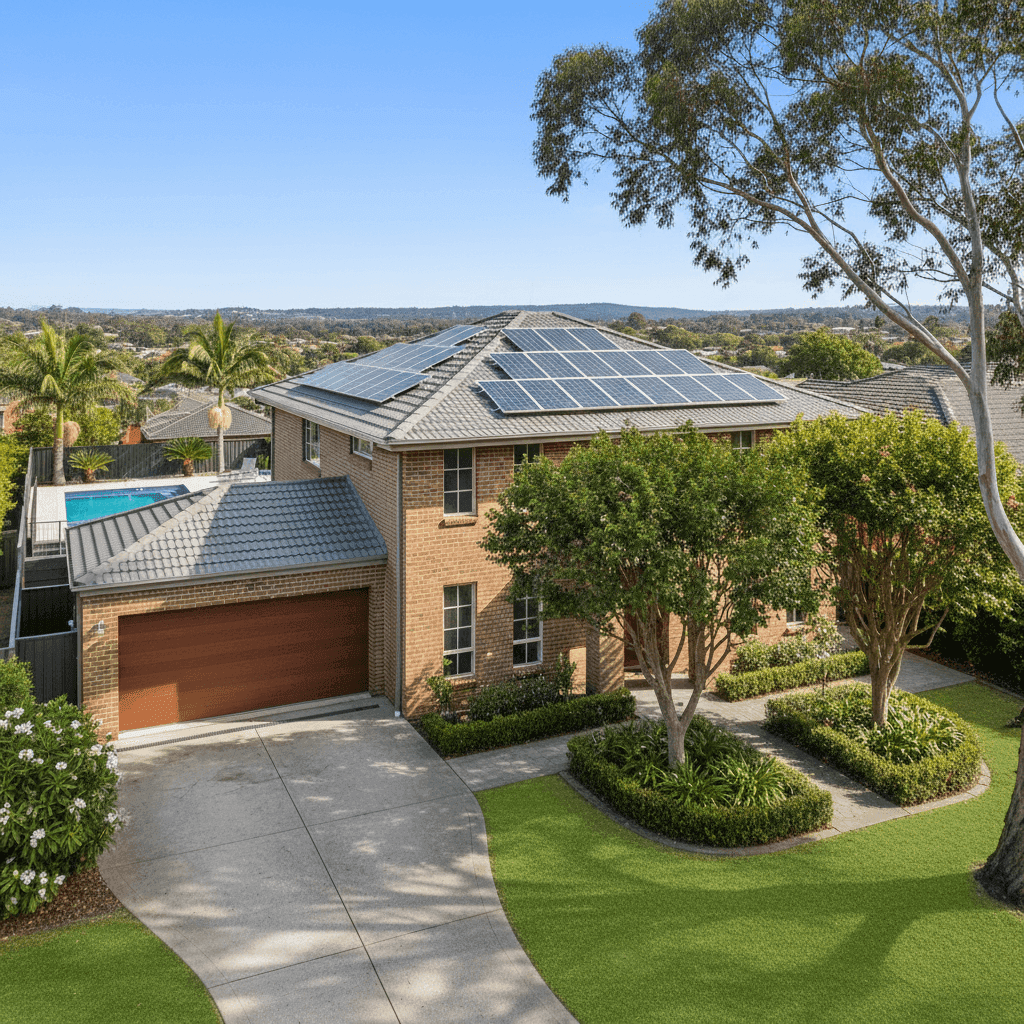
Castle Hill is one of Sydney's most established and sought-after suburbs in the Hills District, known for its leafy streets, family-friendly atmosphere, and solid mix of brick homes built across several decades. If you own a free standing home here, you're likely paying close attention to rising household costs — and home insurance is no exception. This article breaks down a real home and contents insurance quote for a four-bedroom property in Castle Hill (NSW 2154), compares it against local, state, and national benchmarks, and offers practical advice to help you get better value on your cover.
---
Is This Quote Fair?
The quote in question comes in at $3,482 per year (or $334/month) for combined home and contents insurance, covering a building sum insured of $966,000 and contents valued at $150,000. The building excess is set at $5,000, with a separate $1,000 excess for contents claims.
Based on our pricing analysis, this quote is rated Expensive — sitting noticeably above the Castle Hill suburb average of $2,550/year and well above the suburb median of $2,356/year. To put it another way, this premium is roughly 36% higher than the local median, which is a meaningful gap worth investigating before simply accepting the renewal.
That said, context matters. The building sum insured of $966,000 is on the higher end, which directly inflates the premium. A larger insured value means greater exposure for the insurer, and premiums scale accordingly. The property also includes a swimming pool, solar panels, and ducted climate control — all features that add replacement cost and complexity to any claim, and which insurers price into their risk models.
So while the quote is above average for the suburb, it's not without explanation. The question is whether the specific insurer's pricing is competitive given those features, or whether a similar level of cover could be found at a lower price point elsewhere.
---
How Castle Hill Compares
Understanding where Castle Hill sits in the broader insurance landscape is useful context when evaluating any quote. Here's how the suburb stacks up:
| Benchmark | Annual Premium |
|---|---|
| This Quote | $3,482 |
| Castle Hill Suburb Average | $2,550 |
| Castle Hill Suburb Median | $2,356 |
| Castle Hill 25th Percentile | $2,063 |
| Castle Hill 75th Percentile | $2,689 |
| LGA (Hornsby) Average | $3,958 |
| NSW State Median | $3,770 |
| National Median | $2,764 |
A few things stand out here. First, Castle Hill's median premium of $2,356 is actually below the national median of $2,764 — which is a positive sign for the suburb overall. The area doesn't carry the extreme weather risk profiles of, say, coastal Queensland or bushfire-prone regional NSW, which tends to keep base premiums more manageable.
Second, the NSW state median of $3,770 is significantly higher than the Castle Hill median, largely because NSW as a whole includes high-risk coastal, flood, and bushfire zones that drag the state average upward. Castle Hill's relatively benign risk profile is a genuine advantage.
Third, the Hornsby LGA average of $3,958 is actually higher than this quote — so while the quote looks expensive compared to the Castle Hill suburb sample, it's tracking below the broader LGA average. This may reflect differences in property values, sum insured levels, or the mix of properties across the LGA.
You can explore more local pricing data on the Castle Hill suburb stats page, or compare against NSW state-wide insurance averages and national home insurance benchmarks.
---
Property Features That Affect Your Premium
Several characteristics of this property have a direct bearing on the premium. Understanding them helps you have a more informed conversation with insurers.
Brick Veneer Construction (1982) Brick veneer is generally viewed favourably by insurers — it's durable, fire-resistant, and performs well in most weather conditions. However, homes built in the early 1980s may have older plumbing, wiring, or structural elements that can increase claim frequency. Some insurers apply loading to pre-1990 homes for this reason.
Concrete Tile Roof Concrete tiles are a solid roofing choice — they're heavy, durable, and resistant to fire and wind. They do carry a higher replacement cost than Colorbond or corrugated iron, which can push up the building sum insured and, by extension, the premium.
Slab Foundation A concrete slab foundation is standard for this era of construction in NSW and is generally considered low risk. It's not a significant premium driver in non-flood-prone areas like Castle Hill.
Swimming Pool Pools add both replacement value and liability exposure. If a pool is damaged in a storm or structural event, repairs can be costly. Many insurers include pool cover under the building policy but apply additional pricing for it.
Solar Panels Solar systems are increasingly common, but they do add to the replacement cost of a home. A quality rooftop solar system can cost $8,000–$20,000 or more to replace, and this should be factored into your building sum insured to avoid being underinsured.
Ducted Climate Control Ducted air conditioning systems are expensive to repair or replace and are typically included in the building sum insured. Like solar panels, they contribute to the overall replacement cost calculation.
Standard Fittings The property is listed with standard-quality fittings, which is a moderating factor. Premium or luxury fittings (stone benchtops, high-end appliances, designer fixtures) can significantly increase the cost to rebuild, so standard fittings help keep the sum insured more manageable.
---
Tips for Homeowners in Castle Hill
1. Review Your Building Sum Insured A sum insured of $966,000 is substantial. Make sure this figure reflects the actual cost to rebuild your home from the ground up — not the market value of the property. Overinsuring can mean unnecessarily high premiums, while underinsuring leaves you exposed. Use a qualified quantity surveyor or an online rebuild cost calculator to validate the figure.
2. Shop Around — Especially for Feature-Rich Homes Homes with pools, solar panels, and ducted systems are priced differently across insurers. Some providers are more competitive for these property types than others. Getting at least three to four quotes is the best way to find the right balance of price and cover. Compare quotes at CoverClub to see what's available for your property.
3. Consider Your Excess Strategy This quote carries a $5,000 building excess, which is high. A higher excess typically lowers your annual premium, but it means you'll need to cover more out of pocket before your insurer steps in. Think carefully about what you could comfortably afford in an emergency — there's often a sweet spot between a lower premium and a manageable excess.
4. Check What's Actually Covered Not all home and contents policies treat pools, solar panels, or ducted systems the same way. Some policies cover these as standard; others require specific endorsements or have sub-limits. Read the Product Disclosure Statement (PDS) carefully to confirm your key assets are fully covered before a claim arises.
---
Find a Better Deal with CoverClub
Whether you're renewing an existing policy or shopping for the first time, comparing quotes is the single most effective way to avoid overpaying for home insurance. CoverClub makes it easy to see what multiple insurers would charge for your specific property — so you can make a confident, informed decision.
Get a home insurance quote for your Castle Hill property today and see how much you could save.