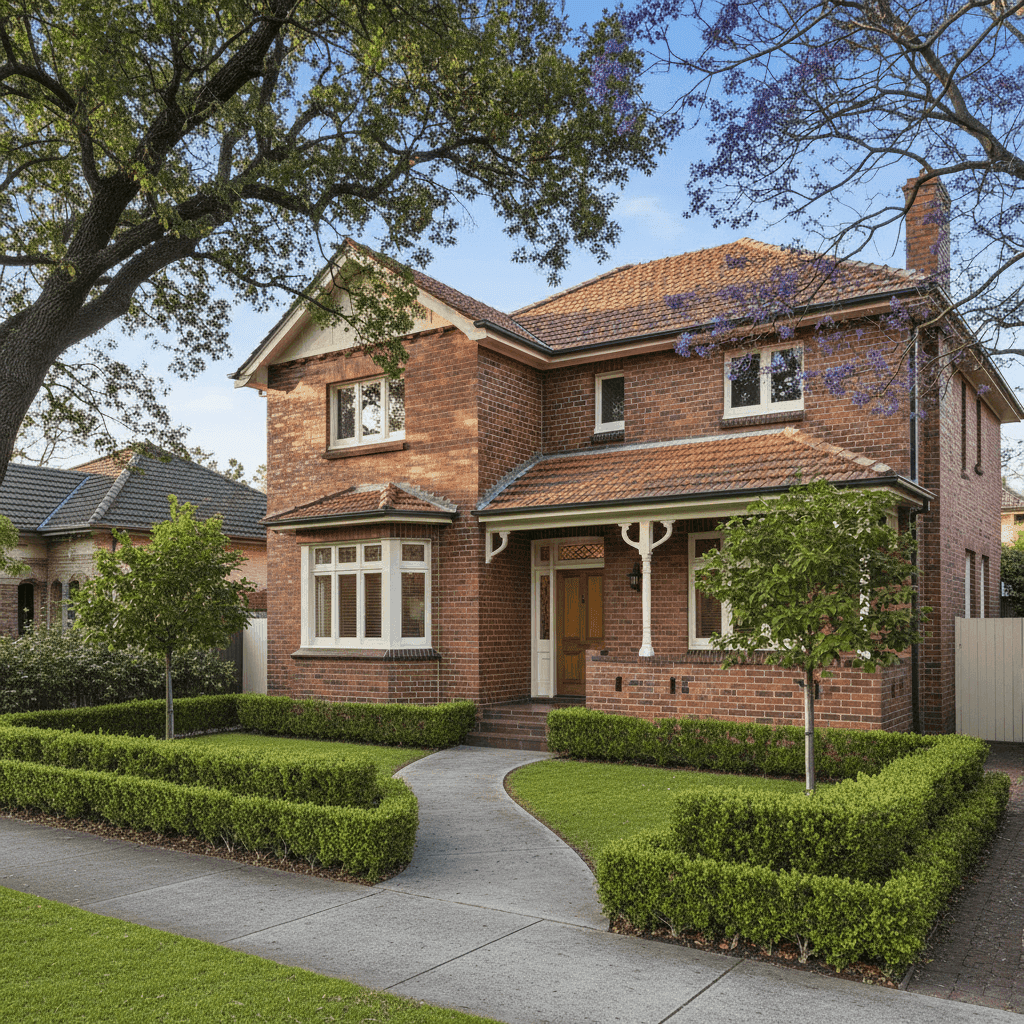
Caulfield South is one of Melbourne's well-established inner-south suburbs, known for its leafy streets, period architecture, and strong property values. If you own a free standing home here, getting the right home and contents insurance — at a fair price — matters more than ever. This article breaks down a real insurance quote for a 3-bedroom property in Caulfield South (VIC 3162), compares it against local, state, and national benchmarks, and offers practical tips to help you make a more informed decision.
---
Is This Quote Fair?
The quote in question comes in at $2,333 per year (or $233/month) for combined home and contents cover, with a building sum insured of $1,178,000 and contents valued at $100,000. The building excess is $2,500, and the contents excess is $1,000.
Based on our pricing data, this quote is rated Expensive — above average for the Caulfield South area. It sits above the suburb's average annual premium of $1,763 and well above the median of $1,640. In fact, it nudges past even the 75th percentile for the suburb ($2,227), meaning fewer than 25% of comparable quotes in the area come in higher.
That said, context is everything. The building sum insured of $1,178,000 is a significant figure — and for a double brick home built in 1938, that's not unreasonable. Older homes often carry higher rebuilding costs due to the labour-intensive nature of replicating period construction, sourcing matching materials, and meeting current building codes. The insurer is pricing in that complexity, which partly explains the premium sitting where it does.
---
How Caulfield South Compares
To put this quote in perspective, here's how it stacks up across different benchmarks:
| Benchmark | Annual Premium |
|---|---|
| This Quote | $2,333 |
| Caulfield South Average | $1,763 |
| Caulfield South Median | $1,640 |
| Caulfield South 75th Percentile | $2,227 |
| Glen Eira LGA Average | $1,828 |
| VIC State Average | $3,000 |
| VIC State Median | $2,718 |
| National Average | $5,347 |
| National Median | $2,764 |
(Suburb data based on a sample of 23 quotes. See [Caulfield South insurance stats](https://coverclub.com.au/stats/VIC/3162/caulfield-south) for the latest figures.)
While this quote is above the local average, it's comfortably below the Victorian state average of $3,000/yr and well under the national average of $5,347/yr. Homeowners in Queensland, Western Australia, and the Northern Territory routinely face premiums two to three times higher due to cyclone, flood, and storm risk — so in that broader context, Caulfield South remains a relatively affordable place to insure a home.
Within the Glen Eira LGA, the average sits at $1,828/yr, again below this quote — but LGA-wide averages blend together a wide variety of property types, sizes, and sum insured values, so direct comparisons have their limits.
---
Property Features That Affect Your Premium
Several characteristics of this property have a direct bearing on what insurers charge:
Double Brick Construction (1938) Double brick is generally regarded as one of the more durable wall materials, offering good structural integrity and fire resistance. However, for a home built in 1938, the age of the construction introduces its own risk factors — ageing mortar, potential subsidence, and the cost of period-appropriate repairs all contribute to a higher rebuilding estimate. This is likely a key driver behind the $1,178,000 sum insured.
Tiled Roof Terracotta or concrete tiles are common on homes of this era in Melbourne's inner south. While durable under normal conditions, tiles can crack or dislodge in severe storms and hail events — a real consideration in Victoria, which experiences significant hail activity each year. Insurers factor in roof type when assessing storm and impact risk.
Slab Foundation A concrete slab foundation is generally considered low-risk by insurers compared to older pier-and-beam or strip footings, which can be more susceptible to subsidence and moisture-related movement. This is a neutral-to-positive factor for pricing.
Tiled Flooring Tiled floors throughout are durable and relatively low-cost to repair or replace compared to hardwood or engineered timber, which can work in the homeowner's favour when insurers assess contents and internal fixtures.
Standard Fittings With standard-grade fittings (rather than high-end or prestige finishes), the internal replacement cost is more predictable and moderate, which helps keep the contents premium from escalating significantly.
No Pool, No Solar, No Cyclone Risk The absence of a swimming pool, solar panels, and ducted climate control removes several common premium add-ons. Pools introduce liability and maintenance risk; solar panels add replacement cost and roof penetration risk. Neither applies here, which is a modest saving.
---
Tips for Homeowners in Caulfield South
1. Review Your Sum Insured Carefully The building sum insured of $1,178,000 is substantial. Make sure this figure reflects the actual cost to rebuild (not the market value) your home from scratch, including demolition, professional fees, and compliance with current building codes. Over-insuring inflates your premium; under-insuring leaves you exposed. Use a qualified quantity surveyor or an online building calculator to validate the figure annually.
2. Compare Multiple Quotes Before Renewing This quote sits above the suburb average, which means comparable cover may be available at a lower price. Insurers price risk differently, and loyalty doesn't always pay — in fact, many insurers reserve their best rates for new customers. Compare quotes at CoverClub to see what else is on the market.
3. Consider Adjusting Your Excess This policy carries a $2,500 building excess and $1,000 contents excess. Opting for a higher excess is one of the most straightforward ways to reduce your annual premium. If you have a healthy emergency fund and are unlikely to make small claims, a higher excess can deliver meaningful savings over time.
4. Check for Discounts You May Be Eligible For Some insurers offer discounts for bundling home and contents (which this policy already does), paying annually rather than monthly, or having security features such as deadbolts, alarm systems, or monitored security. It's worth asking your insurer directly what discounts apply to your policy — they're not always volunteered upfront.
---
Ready to Find a Better Deal?
Whether this quote looks right for your situation or you suspect you're paying too much, the best move is to compare. CoverClub makes it easy to benchmark your premium against real quotes from across Australia. Enter your address and get started — it only takes a few minutes and could save you hundreds each year.