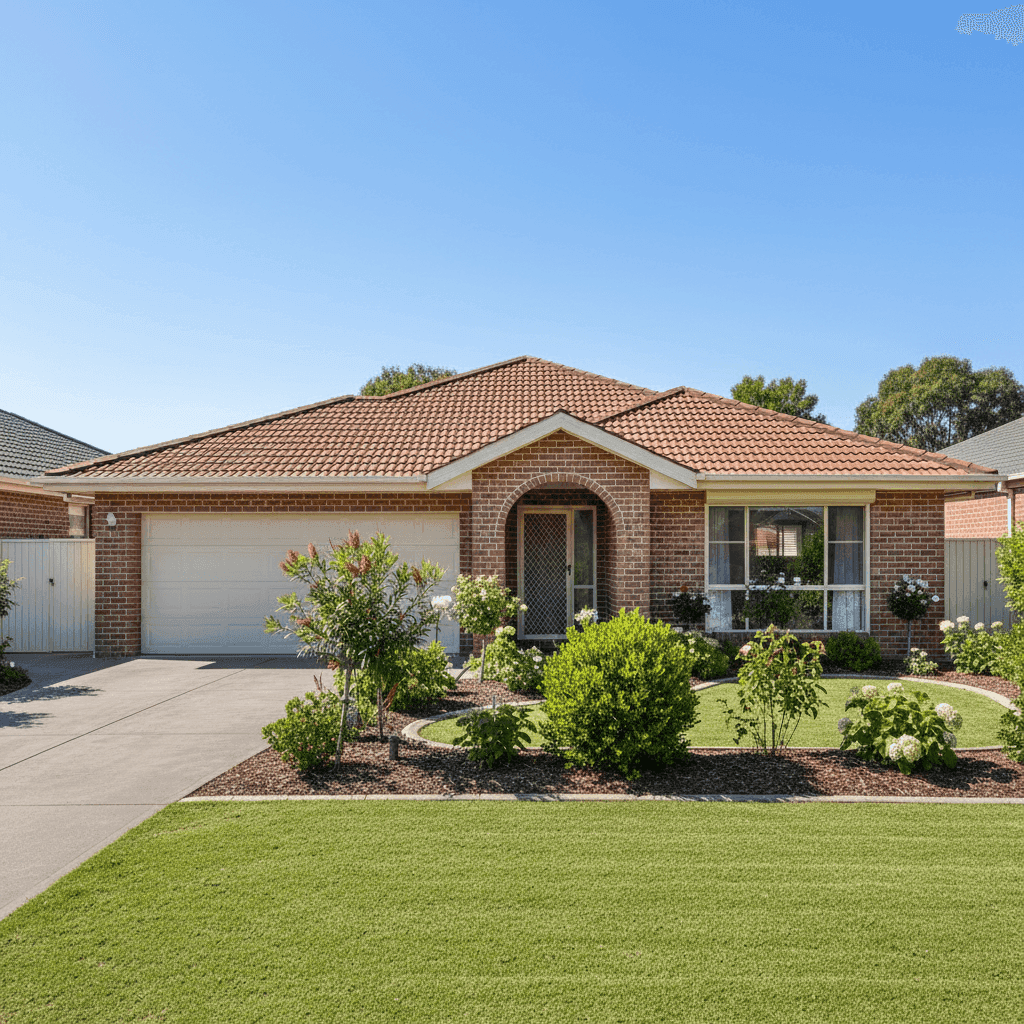
If you own a free standing home in Cecil Hills, NSW 2171, you're likely well aware that home insurance is one of those non-negotiable costs of ownership. But knowing whether you're paying a fair price — or quietly overpaying — is another matter entirely. This article breaks down a real home and contents insurance quote for a four-bedroom property in Cecil Hills, compares it against local, state, and national benchmarks, and offers practical tips to help you get better value on your cover.
---
Is This Quote Fair?
The quote in question comes in at $2,573 per year (or $252/month) for a combined home and contents policy, covering a building sum insured of $915,000 and contents valued at $100,000. Both the building and contents excess are set at $1,000.
Our price rating for this quote is FAIR — Around Average, and the data backs that up. Within Cecil Hills, the average premium sits at $2,065/yr and the median at $1,871/yr. At $2,573, this quote lands above both of those figures, but comfortably within the suburb's 75th percentile of $2,671/yr. In other words, roughly three-quarters of comparable quotes in the area come in at or below this price point — meaning this isn't an outlier by any stretch.
It's worth noting that the higher-than-median price is likely influenced by the relatively generous building sum insured of $915,000, which is on the higher end for a 214 sqm home in this area. A larger insured value naturally pushes the premium upward, even when the underlying risk profile of the property is unremarkable.
---
How Cecil Hills Compares
To put this quote in proper context, it helps to zoom out and look at the broader picture. Cecil Hills sits in the Liverpool LGA, where the average premium is $2,029/yr — very close to the suburb's own average, suggesting consistent pricing across the local government area.
When you compare that to NSW as a whole, the contrast is striking. The state average premium is a staggering $9,528/yr, driven heavily by high-risk regions — particularly flood-prone and cyclone-affected areas in regional and coastal NSW. The state median of $3,770/yr is a more representative figure for typical NSW homeowners, and Cecil Hills sits well below it.
Zooming out further to national data, the picture is similar. Australia's average home insurance premium is $5,347/yr, with a national median of $2,764/yr. Again, Cecil Hills comes in below the national median, reflecting its relatively low-risk profile as an established suburban area in south-western Sydney.
| Benchmark | Premium |
|---|---|
| This Quote | $2,573/yr |
| Cecil Hills Suburb Average | $2,065/yr |
| Cecil Hills Suburb Median | $1,871/yr |
| Liverpool LGA Average | $2,029/yr |
| NSW State Median | $3,770/yr |
| National Median | $2,764/yr |
The takeaway? Cecil Hills is a comparatively affordable suburb for home insurance, and this quote — while slightly above the local average — is broadly reasonable given the coverage levels involved.
---
Property Features That Affect Your Premium
Every property is different, and insurers weigh up a range of physical characteristics when calculating your premium. Here's how the features of this particular home factor in:
Brick Veneer Walls Brick veneer is one of the most common external wall types in Australian suburbia, and insurers generally view it favourably. It offers solid fire resistance and durability compared to weatherboard or lightweight cladding, which can help keep premiums in check.
Tiled Roof A tiled roof is another standard, well-regarded choice. Tiles are durable, weather-resistant, and widely understood by insurers — there are no exotic or hard-to-replace materials here that might inflate replacement costs.
Concrete Slab Foundation A slab foundation is the norm for homes built in the 1990s across south-western Sydney. It's structurally sound and doesn't carry the same subsidence or termite-access risks associated with raised timber stumps, which is a modest positive from an underwriting perspective.
Construction Year: 1996 At just under 30 years old, this home sits in a comfortable middle ground — it's not so new that it commands a premium for cutting-edge finishes, nor so old that insurers worry about ageing infrastructure or outdated electrical systems. Homes of this era were typically built to solid standards.
Timber and Laminate Flooring Timber and laminate floors can be a consideration in contents and building claims, as they're more susceptible to water damage than tiles. However, they're so common in Australian homes that most insurers price this in as standard.
Ducted Climate Control The presence of a ducted climate control system adds to the building's replacement value, which is one reason a sum insured of $915,000 is appropriate here. Ducted systems are expensive to replace and are factored into building coverage calculations.
No Pool, No Solar Panels The absence of a pool removes a notable liability risk, and no solar panels means no concern about panel replacement costs or roof penetration issues. Both of these factors contribute to a cleaner, more straightforward risk profile.
---
Tips for Homeowners in Cecil Hills
Whether you're reviewing an existing policy or shopping for new cover, here are four practical steps worth taking:
- Review your sum insured regularly. Building costs have risen sharply across Australia in recent years. A sum insured set even two or three years ago may no longer reflect the true cost of rebuilding your home. Use a building calculator or speak with a quantity surveyor to make sure $915,000 is still adequate — and not excessive — for your property.
- Bundle your building and contents cover. This quote already combines both, which is smart. Most insurers offer a discount for bundling, and it simplifies your claims process considerably. If you currently hold separate policies, it's worth checking whether consolidating them saves money.
- Consider your excess carefully. Both excesses here are set at $1,000, which is fairly standard. Opting for a higher voluntary excess can reduce your annual premium, but only makes sense if you have the financial buffer to cover that amount out of pocket in the event of a claim.
- Compare quotes at renewal time. Loyalty doesn't always pay in the insurance world. Insurers frequently offer better rates to new customers than to existing ones. Even if you're happy with your current provider, it costs nothing to compare quotes on CoverClub before your policy renews each year.
---
Ready to Compare Home Insurance in Cecil Hills?
Whether this quote looks right for your situation or you suspect you could be paying less, the best way to find out is to compare. At CoverClub, we make it easy to see how your premium stacks up against other homeowners in Cecil Hills and across NSW. Get a quote today and make sure you're getting the cover you need at a price that makes sense.