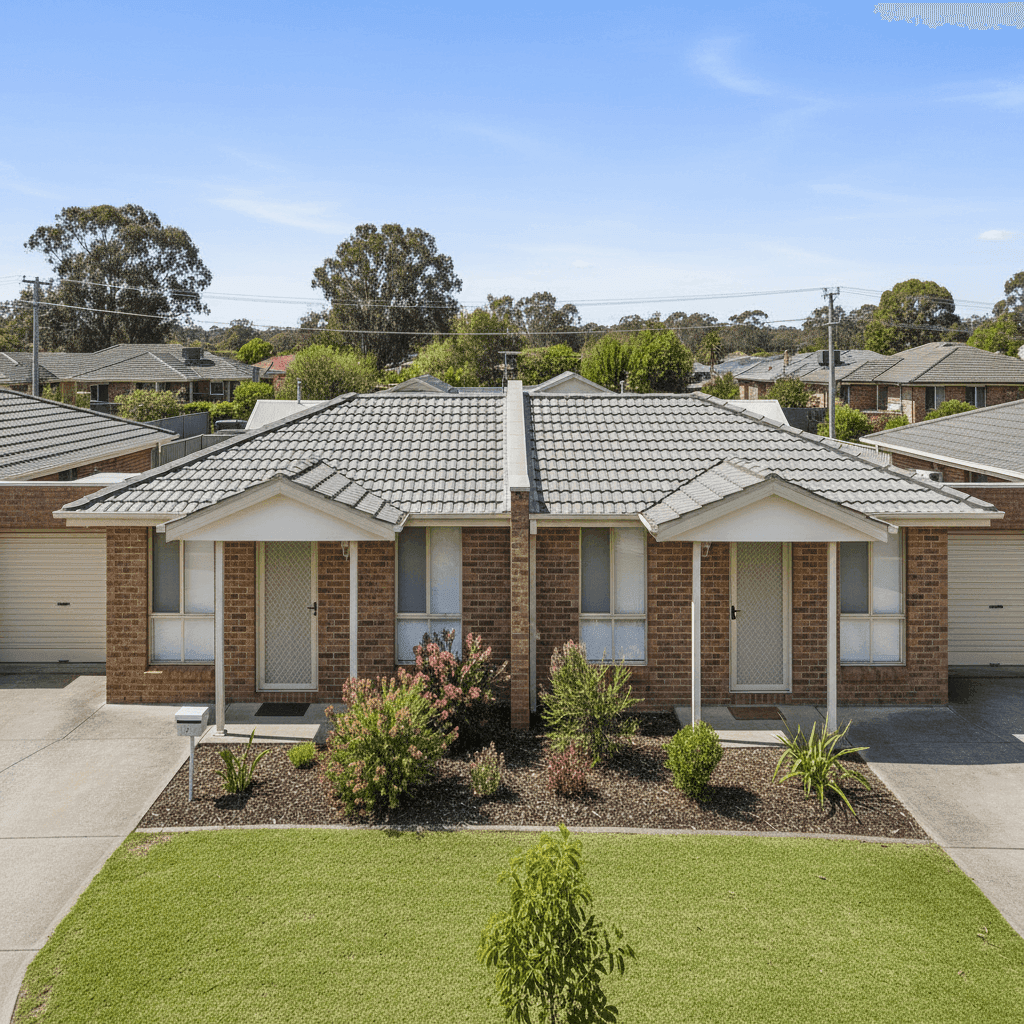
Cecil Hills is a well-established residential suburb in Sydney's south-west, sitting within the Liverpool local government area. Known for its quiet streets and family-friendly atmosphere, it's home to a mix of freestanding houses and semi detached properties — many built during the housing boom of the late 1980s and early 1990s. If you own a semi detached home here, understanding what you should be paying for building insurance is an important step in protecting one of your most valuable assets.
This article breaks down a real building-only insurance quote for a 3-bedroom, 2-bathroom semi detached home in Cecil Hills, comparing it against local, state, and national benchmarks to help you make a more informed decision.
---
Is This Quote Fair?
The annual premium for this property came in at $1,570 per year (or roughly $154 per month), with a building sum insured of $425,000 and a building excess of $2,000. CoverClub's pricing engine has rated this quote as FAIR — Around Average.
That rating holds up when you look at the numbers in context. The suburb average premium for Cecil Hills sits at $2,065 per year, and the median is $1,871 per year. This quote lands below both figures, which is a solid outcome. In fact, it sits just above the 25th percentile for the suburb ($1,544/yr), meaning roughly three-quarters of comparable quotes in the area come in higher.
In plain terms: this is a competitive quote, but not the cheapest available. There may still be room to do better — particularly if you shop around or adjust your excess or cover options.
---
How Cecil Hills Compares
One of the most striking things about this quote is how it looks against broader benchmarks. Check out the full suburb stats for Cecil Hills (NSW 2171) for a deeper breakdown, but here's a quick summary:
| Benchmark | Premium |
|---|---|
| This quote | $1,570/yr |
| Suburb average (Cecil Hills) | $2,065/yr |
| Suburb median (Cecil Hills) | $1,871/yr |
| LGA average (Liverpool) | $2,029/yr |
| NSW state average | $9,528/yr |
| NSW state median | $3,770/yr |
| National average | $5,347/yr |
| National median | $2,764/yr |
The NSW state average of $9,528 looks startling at first glance, but it's heavily skewed by high-risk and high-value properties across the state — coastal flood zones, bushfire-prone areas, and prestige suburbs all push that figure up considerably. The state median of $3,770 is a more realistic comparison point, and this Cecil Hills quote comes in well under that.
Similarly, the national average of $5,347 reflects the enormous variation in risk profiles across Australia — from cyclone-prone Queensland to flood-affected inland communities. Cecil Hills, by contrast, is a relatively low-risk suburban environment, which helps explain why premiums here tend to be more moderate.
It's worth noting that the suburb sample size for this analysis is 15 quotes, which gives a reasonable indication of local pricing without being a definitive population-level dataset. As more data flows in, these benchmarks will sharpen further.
---
Property Features That Affect Your Premium
Every insurer prices a policy based on the specific characteristics of your property. Here's how the features of this Cecil Hills home likely influence the premium:
Brick Veneer Walls Brick veneer is one of the most common external wall materials in Australian suburban homes of this era, and insurers generally view it favourably. It offers good fire resistance and durability, which can help keep premiums lower compared to timber-framed or weatherboard exteriors.
Tiled Roof A concrete or terracotta tile roof is considered a reliable, low-maintenance roofing material. Tiles are resistant to ember attack and generally hold up well in storms, making them a preferred option from an underwriting perspective.
Slab Foundation A concrete slab foundation is standard for homes built in the 1990s across Western Sydney. It's generally considered a lower-risk foundation type compared to older pier-and-beam or strip footings, particularly in areas without significant soil movement issues.
Ducted Climate Control This is worth noting — ducted air conditioning systems add value to a property and increase the cost to rebuild or repair. Insurers factor in the presence of these systems when calculating your sum insured, so it's important your building cover adequately reflects this.
Construction Year: 1994 At around 30 years old, this home is relatively modern by Australian standards. Properties of this age are generally well-constructed to the building codes of the time, but it's worth ensuring any updates (kitchens, bathrooms, electrical) are reflected in your sum insured.
No Pool or Solar Panels The absence of a pool removes a common liability risk, and no solar panels means one less system to insure or replace. Both factors can contribute to a more straightforward and cost-effective premium.
---
Tips for Homeowners in Cecil Hills
1. Review your sum insured annually Construction costs have risen significantly in recent years. A sum insured of $425,000 for a 235 sqm semi detached is worth revisiting each year to ensure it reflects current rebuild costs — not what it would have cost five years ago. Underinsurance is one of the most common and costly mistakes homeowners make.
2. Consider your excess carefully This policy carries a $2,000 building excess. A higher excess typically lowers your premium, but make sure it's an amount you could genuinely afford to pay in the event of a claim. If cash flow is a concern, a lower excess with a slightly higher premium may be the smarter trade-off.
3. Shop around — especially at renewal Insurers often offer their best rates to new customers, meaning loyal policyholders can end up paying more over time. With the suburb's 75th percentile sitting at $2,671 per year, there's a meaningful spread in what people are paying in Cecil Hills. Comparing quotes at renewal is one of the simplest ways to avoid overpaying.
4. Check what's excluded Building-only cover protects the structure of your home but not your belongings. If you rent out the property or have valuable items that need protection, consider whether a combined building and contents policy might be more appropriate for your situation.
---
Compare Your Options at CoverClub
Whether you're renewing an existing policy or taking out cover for the first time, it pays to see what else is available. CoverClub makes it easy to compare home insurance quotes tailored to your property in Cecil Hills — so you can see exactly where your premium sits relative to the market. Get a quote today and make sure you're not leaving money on the table.