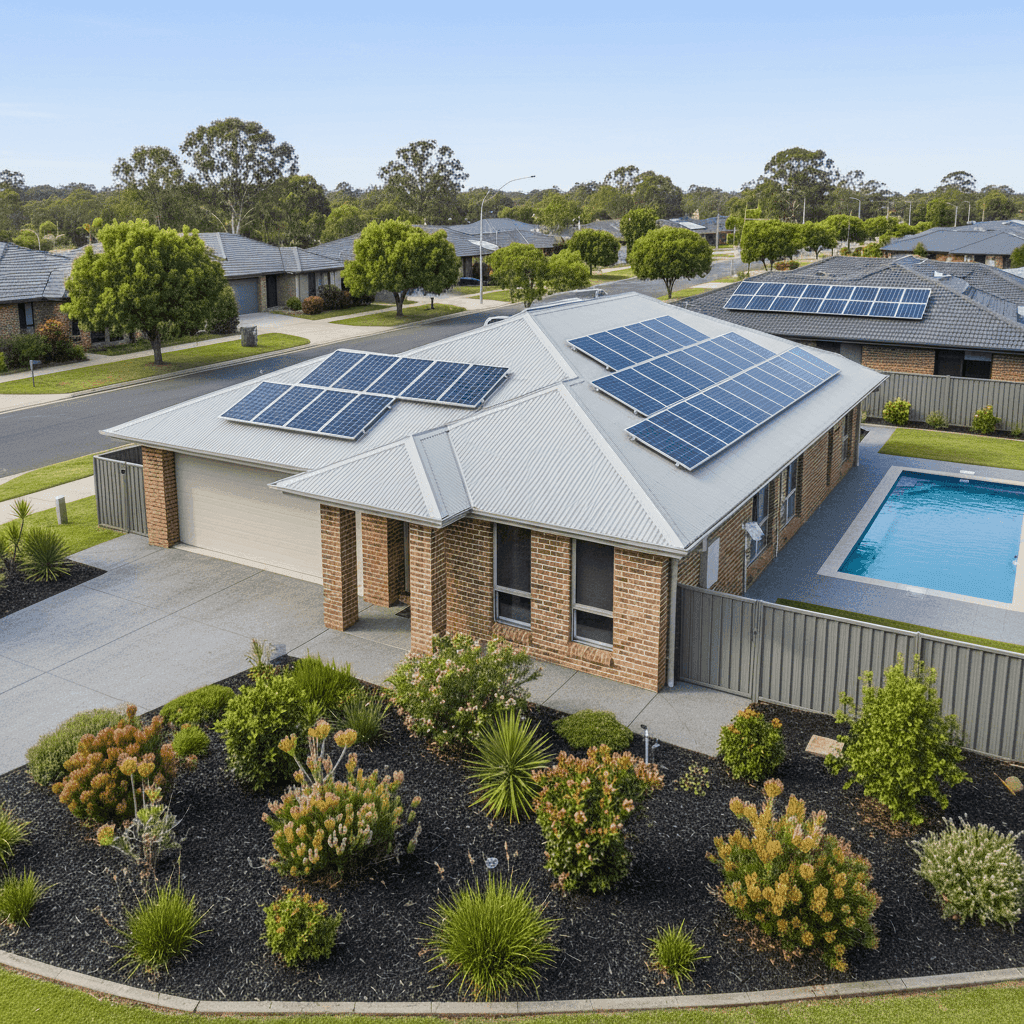
Cedar Grove is a quiet, semi-rural suburb nestled in Logan City, southeast Queensland — the kind of place where larger blocks, leafy surrounds, and a relaxed lifestyle attract families looking for space without straying too far from the city. If you own a free standing home here, understanding what you should be paying for building insurance is just as important as choosing the right policy. This article breaks down a real building-only insurance quote for a four-bedroom, two-bathroom brick veneer home in Cedar Grove, and puts it in context against local, state, and national benchmarks.
---
Is This Quote Fair?
The quote in question comes in at $1,779 per year (or $174 per month) for building-only cover on a home insured for $723,000, with a $2,000 building excess. Our price rating for this quote is CHEAP — below average — and the numbers back that up convincingly.
To put it plainly: this is a strong result. The premium sits well beneath every comparison point we track, from the immediate suburb level right through to the national picture. For a homeowner in Cedar Grove, securing cover at this price point represents genuine value, particularly given the sum insured and the features of the property involved.
That said, "cheap" doesn't automatically mean "right." It's worth reviewing the policy's inclusions carefully — particularly around storm damage, escape of liquid, and any exclusions that might apply to older construction elements — to ensure the low price reflects competitive underwriting rather than gaps in cover.
---
How Cedar Grove Compares
Here's how this $1,779 annual premium stacks up against the broader market:
| Benchmark | Premium |
|---|---|
| This Quote | $1,779/yr |
| Cedar Grove Suburb Average | $2,366/yr |
| Cedar Grove Suburb Median | $2,250/yr |
| Cedar Grove 25th Percentile | $2,094/yr |
| Logan LGA Average | $3,411/yr |
| QLD State Average | $4,547/yr |
| QLD State Median | $3,931/yr |
| National Average | $2,965/yr |
| National Median | $2,716/yr |
Even at the cheapest end of the Cedar Grove suburb sample — the 25th percentile — quotes are still coming in at $2,094/yr. This quote beats that figure by over $300. It also sits 24% below the suburb average, 48% below the Logan LGA average, and a remarkable 61% below the Queensland state average.
Queensland's elevated state average is no surprise — the state carries significant exposure to severe weather events including cyclones, flooding, and hailstorms, which push premiums up across the board. Cedar Grove itself is not classified as a cyclone risk area, which helps moderate pricing for local homeowners. You can explore Cedar Grove suburb insurance statistics, Queensland-wide data, and national benchmarks on CoverClub for a deeper dive.
It's worth noting the suburb sample size here is 14 quotes — a reasonable dataset for a smaller suburb, though averages can shift as more data comes in over time.
---
Property Features That Affect Your Premium
Several characteristics of this particular property work in favour of a competitive premium. Here's how the key features play out from an underwriting perspective:
Brick Veneer Walls Brick veneer is generally viewed favourably by insurers. It offers solid fire resistance and durability, and is one of the more common construction types in southeast Queensland. Compared to timber weatherboard or fibre cement cladding, brick veneer typically attracts lower risk assessments.
Steel / Colorbond Roof Colorbond steel roofing is a popular choice in Australian suburbia for good reason — it's durable, low-maintenance, and performs well in storms. Insurers tend to view it positively compared to older tile roofs, which can crack or lift in high winds.
Concrete Slab Foundation A slab foundation reduces the risk of subsidence-related claims and eliminates the underfloor moisture issues sometimes associated with raised timber stumps. This is a neutral-to-positive factor for most insurers.
Tile Flooring Tiled floors are resilient and less susceptible to water damage than carpet or timber, which can be a minor positive when insurers assess escape-of-liquid risk.
Swimming Pool Pools add replacement value and can nudge premiums upward due to liability considerations and the cost of repair or replacement following storm or structural damage. It's important that your sum insured accounts for the pool's rebuild cost.
Solar Panels Solar systems add value to a property and need to be factored into your sum insured. Some insurers cover rooftop solar as part of the building; others may require a separate endorsement. Always confirm this with your insurer.
Construction Year: 1993 A home built in 1993 is over 30 years old. While it's well past the early-build defect window, it's worth keeping an eye on ageing infrastructure — particularly plumbing, electrical wiring, and roof fixings — as these can become sources of claims as a home matures.
No Ducted Climate Control The absence of ducted air conditioning removes one potential source of mechanical breakdown or water damage claims, keeping the risk profile slightly cleaner.
214 sqm Building Size At 214 square metres, this is a mid-to-large family home. The $723,000 sum insured equates to roughly $3,378 per square metre — a reasonable figure for a standard-fit brick veneer home in this region, though homeowners should periodically reassess rebuild costs as construction prices continue to rise.
---
Tips for Homeowners in Cedar Grove
1. Review Your Sum Insured Annually Construction costs in southeast Queensland have increased significantly in recent years. A sum insured that was accurate three years ago may now fall short of actual rebuild costs. Use an independent building cost estimator or speak with a local builder to sense-check your figure before renewal.
2. Confirm Solar Panel Coverage With solar panels on the roof, clarify in writing whether your insurer covers the system under the building policy, and up to what value. Some policies cap solar coverage or exclude inverter damage — details that matter when you're relying on that system for energy savings.
3. Factor in Your Pool Ensure your sum insured includes the cost of repairing or replacing your pool and associated equipment. Pool pumps, filtration systems, and surrounds can add tens of thousands of dollars to a full rebuild cost that's easy to overlook.
4. Compare at Renewal, Not Just Once Securing a competitive quote today is a great outcome — but insurance markets shift. Insurers reprice books regularly, and the cheapest option this year may not be the best value next year. Make it a habit to compare quotes at CoverClub each time your policy comes up for renewal.
---
Ready to Compare Your Own Quote?
Whether you're a Cedar Grove local or a homeowner anywhere in Australia, CoverClub makes it easy to see how your current premium stacks up — and whether you could be paying less for the same (or better) cover. Get a building insurance quote today and find out where you stand.