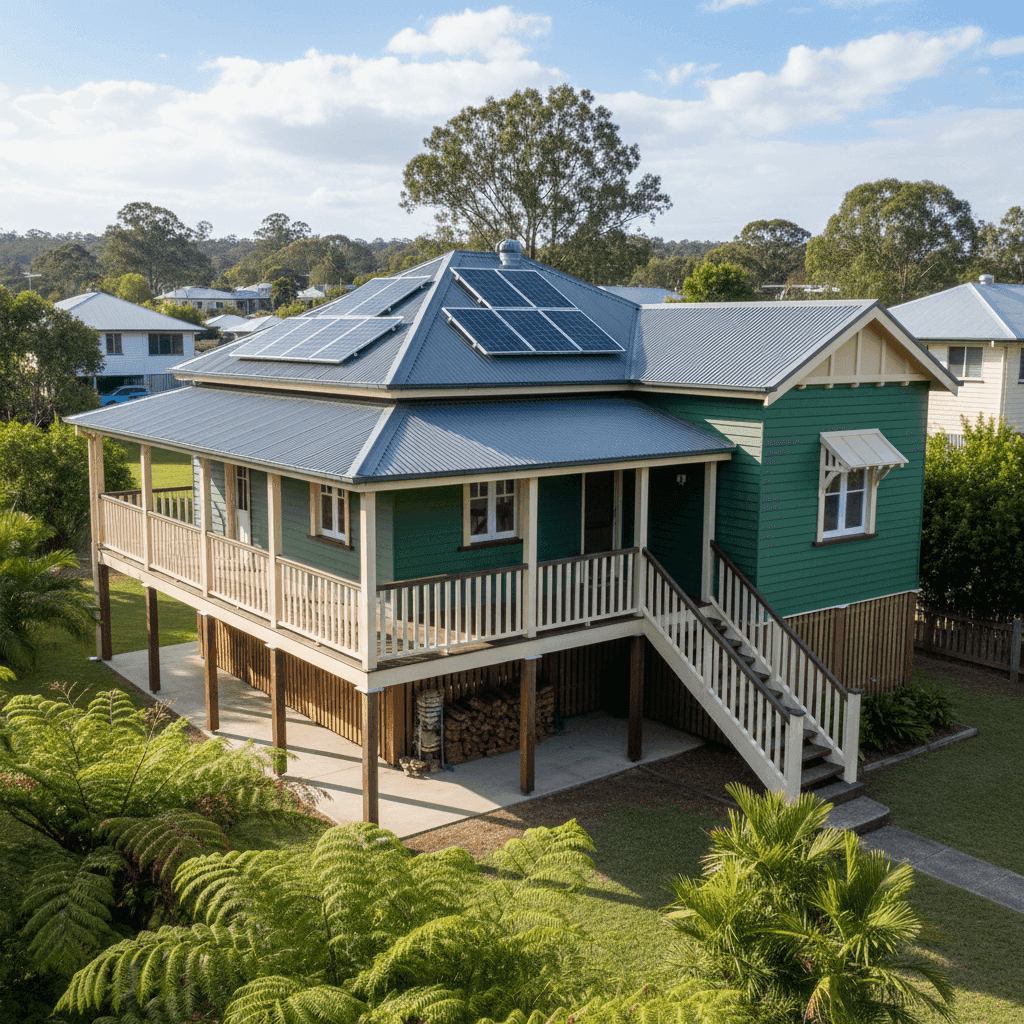
Nestled in the Gympie region of Queensland, Cedar Pocket is a quiet semi-rural locality that sits within the Fraser Coast hinterland. If you own a free standing home here — particularly an older weatherboard character home on stumps — understanding what drives your insurance premium is essential. This article breaks down a real home and contents insurance quote for a 2-bedroom, 2-bathroom property in Cedar Pocket (postcode 4570), and puts it in context against local, state, and national benchmarks.
---
Is This Quote Fair?
The annual premium for this property came in at $4,469 per year (or $428/month), covering both building (sum insured: $650,000) and contents ($50,000), each with a $1,000 excess.
Our pricing engine rates this quote as CHEAP — below average for the area. That's genuinely good news for the homeowner. To understand why, it helps to look at the broader numbers.
The Queensland state average premium sits at $9,129 per year, with a median of $3,903. Nationally, the average home insurance premium is $5,347, with a median of $2,764. At $4,469, this quote lands below the Queensland average by more than half, and sits modestly above both the state and national medians — which is entirely reasonable given the building sum insured of $650,000 and the age and construction type of the property.
In short: for what's being covered, this is a competitive price.
---
How Cedar Pocket Compares
While suburb-level data for Cedar Pocket isn't available in isolation, we can draw meaningful comparisons using the Fraser Coast LGA and broader Queensland figures.
| Benchmark | Annual Premium |
|---|---|
| This Quote | $4,469 |
| Fraser Coast LGA Average | $4,810 |
| QLD State Average | $9,129 |
| QLD State Median | $3,903 |
| National Average | $5,347 |
| National Median | $2,764 |
The Fraser Coast LGA average of $4,810 is the most geographically relevant comparison point. This quote comes in $341 below that local benchmark — a meaningful saving on an annual basis. You can explore more local pricing data on the Cedar Pocket suburb stats page.
It's worth noting that Queensland as a whole carries some of the highest home insurance premiums in the country, largely driven by cyclone, flood, and storm risk across the state. The fact that this property sits below both the LGA and state averages suggests the risk profile here is relatively favourable.
---
Property Features That Affect Your Premium
Several characteristics of this property have a direct bearing on what insurers charge. Here's how each one plays into the pricing:
🏠 Weatherboard Timber Construction (1930s Build)
Weatherboard timber homes are among the most common heritage-style dwellings in regional Queensland. While they're charming and well-suited to the climate, insurers view timber-framed, weatherboard-clad homes as carrying higher fire risk compared to brick veneer or full brick construction. The age of the build (circa 1930) also means wiring, plumbing, and structural elements may be older, which can push premiums up.
🪵 Elevated on Stumps
Being elevated by at least one metre is actually a significant positive for insurance pricing in Queensland. Homes on stumps that sit high off the ground are far less susceptible to inundation from flash flooding and stormwater runoff — a major risk driver in this part of the state. This feature likely contributes to the below-average premium rating.
🏗️ Steel/Colorbond Roof
Colorbond roofing is a durable, low-maintenance option that insurers generally view favourably. It performs well in high-wind events and is resistant to corrosion, which reduces the likelihood of weather-related claims compared to older tile or corrugated iron roofing.
☀️ Solar Panels
This property has solar panels installed. Most home insurance policies cover solar panels as part of the building sum insured, but it's worth confirming this with your insurer. Panels can be damaged by hail, storms, or fire, and replacement costs can be significant — so ensuring they're adequately included in your building cover is important.
📐 214 sqm Building Size & $650,000 Sum Insured
At 214 square metres, this is a modest but well-proportioned home. The building sum insured of $650,000 reflects the full cost of rebuilding — not the market value of the land. For a 1930s character home with timber flooring and quality fittings, this figure seems appropriate, though it's always worth reviewing your sum insured annually to account for rising construction costs.
---
Tips for Homeowners in Cedar Pocket
Whether you're renewing your policy or shopping around for the first time, here are four practical steps to make sure you're getting the right cover at the right price.
1. Review Your Building Sum Insured Every Year
Construction costs in regional Queensland have risen sharply in recent years. If your sum insured hasn't kept pace, you could be underinsured — meaning you'd face a shortfall if you needed to rebuild. Use a building cost calculator or speak with a local builder to get a realistic estimate.
2. Confirm Solar Panels Are Covered
Solar systems are a meaningful asset. Check your policy documents carefully to confirm that your panels are listed under building cover and that the insured amount reflects their current replacement value. Some policies have sub-limits or exclusions for solar equipment.
3. Ask About Discounts for Security and Safety Features
Some insurers offer premium discounts for homes with smoke alarms, deadbolts, or monitored security systems. Given the rural setting of Cedar Pocket, it's worth asking your insurer what safety upgrades could reduce your premium.
4. Compare Before You Renew
The insurance market changes constantly, and loyalty doesn't always pay. Even if your current premium looks competitive — as this one does — it's worth comparing quotes at renewal time. A few minutes of research could save hundreds of dollars per year.
---
Ready to Compare Home Insurance in Cedar Pocket?
Whether you're a long-time local or new to the area, comparing quotes is the smartest way to make sure you're not overpaying. At CoverClub, we make it easy to see how your premium stacks up — and find better cover if it's out there. Get a home insurance quote today and see what you could save.