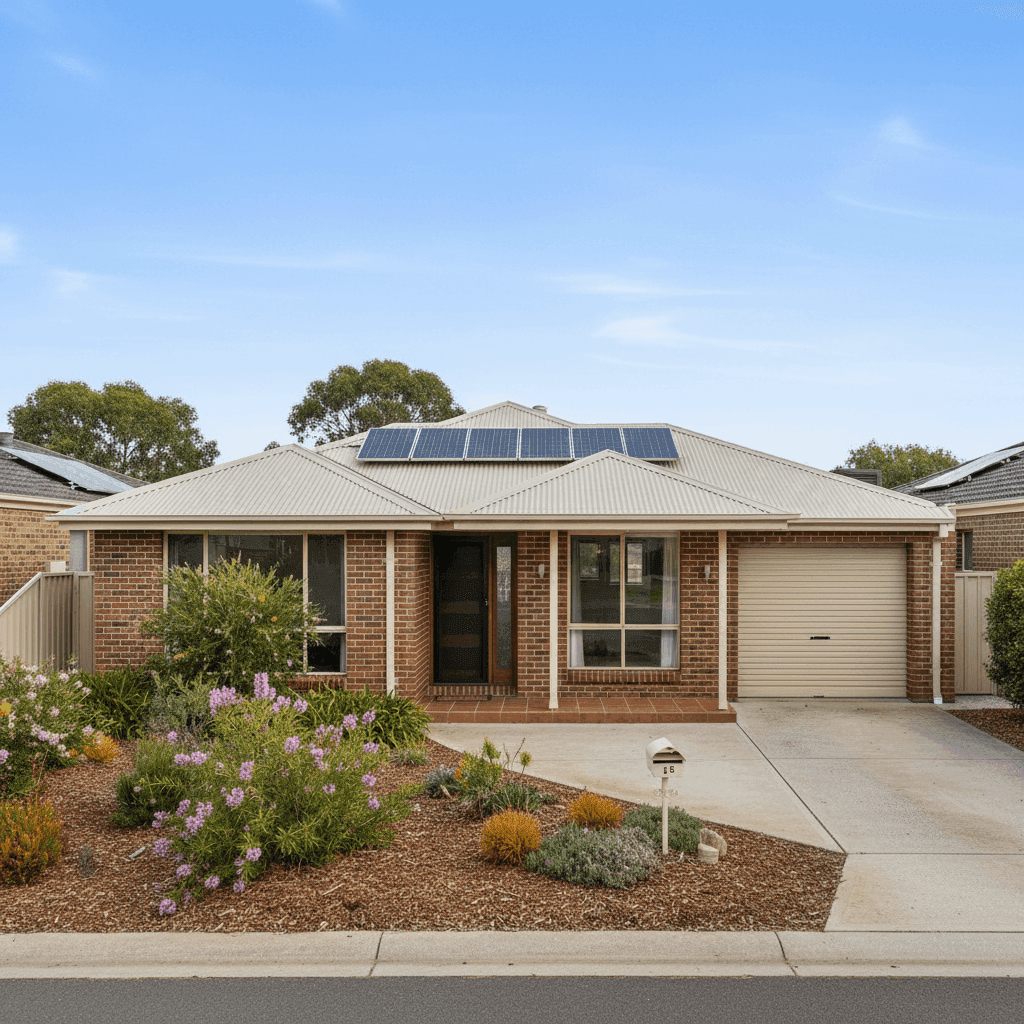
If you own a free standing home in Centenary Heights, QLD 4350, you're likely well aware that keeping your biggest asset protected is non-negotiable. But how do you know whether the premium you're paying is actually competitive? This article breaks down a real building insurance quote for a four-bedroom, two-bathroom brick veneer home in this Toowoomba suburb — and puts it into context against local, state, and national benchmarks.
---
Is This Quote Fair?
The quote in question comes in at $1,632 per year (or $164 per month) for building-only cover, with a sum insured of $647,000 and a building excess of $5,000. Our rating for this quote is FAIR — Around Average.
That assessment holds up when you dig into the numbers. The suburb average premium for Centenary Heights sits at $1,649 per year, meaning this quote lands just $17 below what most comparable properties in the area are paying. It's also comfortably below the suburb median of $1,730 per year, which suggests this homeowner is getting a slightly better-than-middle-of-the-road deal for their postcode.
In practical terms, "fair" doesn't mean you're getting a bargain — but it does mean you're not being overcharged. The quote falls within a reasonable band, and there's no glaring red flag suggesting the insurer has priced this property poorly. That said, as we'll explore below, there's always room to investigate whether a better deal exists.
---
How Centenary Heights Compares
To appreciate how well-priced this quote is, it helps to zoom out and look at the broader picture. You can explore the full data on the Centenary Heights insurance stats page.
| Benchmark | Premium |
|---|---|
| This quote | $1,632/yr |
| Suburb average (4350) | $1,649/yr |
| Suburb median (4350) | $1,730/yr |
| Suburb 25th percentile | $1,030/yr |
| Suburb 75th percentile | $2,154/yr |
| LGA average (Toowoomba) | $2,479/yr |
| QLD state average | $9,129/yr |
| QLD state median | $3,903/yr |
| National average | $5,347/yr |
| National median | $2,764/yr |
The contrast between Centenary Heights and the broader Queensland market is striking. The QLD state average premium is a staggering $9,129 per year — more than five times what this homeowner is paying. Even the state median of $3,903 is more than double this quote. This enormous gap reflects the outsized influence of high-risk coastal and cyclone-prone areas on Queensland's overall insurance averages. Toowoomba, being an inland city on the Darling Downs, sits in a far more benign risk environment.
Compared to national benchmarks, the picture is similarly favourable. The national average of $5,347 and median of $2,764 both dwarf this quote, reinforcing that Centenary Heights is genuinely one of the more affordable places in Australia to insure a home.
It's also worth noting that the suburb sample size here is 36 quotes — a reasonable dataset that gives us reasonable confidence in these figures, though not so large that outliers are fully smoothed out.
---
Property Features That Affect Your Premium
Several characteristics of this particular property play a meaningful role in how insurers have priced the risk.
Brick veneer construction is generally viewed favourably by insurers. It offers solid fire resistance and structural durability compared to weatherboard or lightweight cladding, which typically translates to more competitive premiums.
Steel/Colorbond roofing is another tick in the right column. Colorbond is lightweight, highly durable, and performs well in storms and high winds. It's less prone to the kind of catastrophic damage that older terracotta or concrete tile roofs can suffer, and insurers tend to price this accordingly.
Slab foundation construction is standard for homes of this era and generally presents no elevated risk profile. Combined with a 1988 build year, the property sits in a sweet spot — old enough that most major structural issues would have surfaced by now, but not so old that insurers start worrying about aging infrastructure or outdated building standards.
The presence of solar panels is worth flagging. While panels themselves are a relatively modern addition, they do add to the replacement cost of the home. Homeowners should confirm with their insurer whether solar panels are explicitly included under the building sum insured — some policies cover them automatically, while others may require a specific endorsement.
At 214 square metres, this is a comfortably sized family home. The standard fittings quality rating means there are no premium fixtures or finishes that would push up the cost to rebuild — a factor that directly influences how the sum insured is calculated.
The absence of a pool and the non-cyclone-risk location both help keep the premium in check. Pools introduce liability and structural complexity, while cyclone ratings can dramatically inflate premiums in affected areas — neither applies here.
---
Tips for Homeowners in Centenary Heights
1. Review your sum insured regularly At $647,000, the building sum insured needs to reflect the true cost of rebuilding your home from scratch — not its market value. With construction costs having risen significantly in recent years, it's worth using a building cost calculator or speaking to a quantity surveyor to make sure you're not underinsured. Underinsurance is one of the most common and costly mistakes homeowners make.
2. Confirm solar panel coverage If your solar system isn't explicitly listed in your policy schedule, ask your insurer to clarify. Solar panels can represent a $10,000–$20,000+ investment, and you want to be certain they're covered for storm damage, hail, and accidental breakage.
3. Consider your excess carefully The $5,000 building excess on this policy is on the higher end. A higher excess generally reduces your annual premium, but it also means a larger out-of-pocket cost when you do make a claim. Think about whether you could comfortably cover that amount in the event of a significant weather event or accidental damage.
4. Shop around at renewal time Even a "fair" quote isn't necessarily the best available. Insurers don't always reward loyalty — in fact, many reserve their sharpest pricing for new customers. Running a comparison at renewal is one of the easiest ways to ensure you're not quietly drifting into overpaying territory.
---
Compare Your Quote with CoverClub
Whether you're reviewing an existing policy or shopping for cover on a new property, CoverClub makes it easy to see how your premium stacks up. Get a home insurance quote in minutes and compare it against real data from your suburb, your LGA, and across Australia. Knowledge is the best negotiating tool you have.