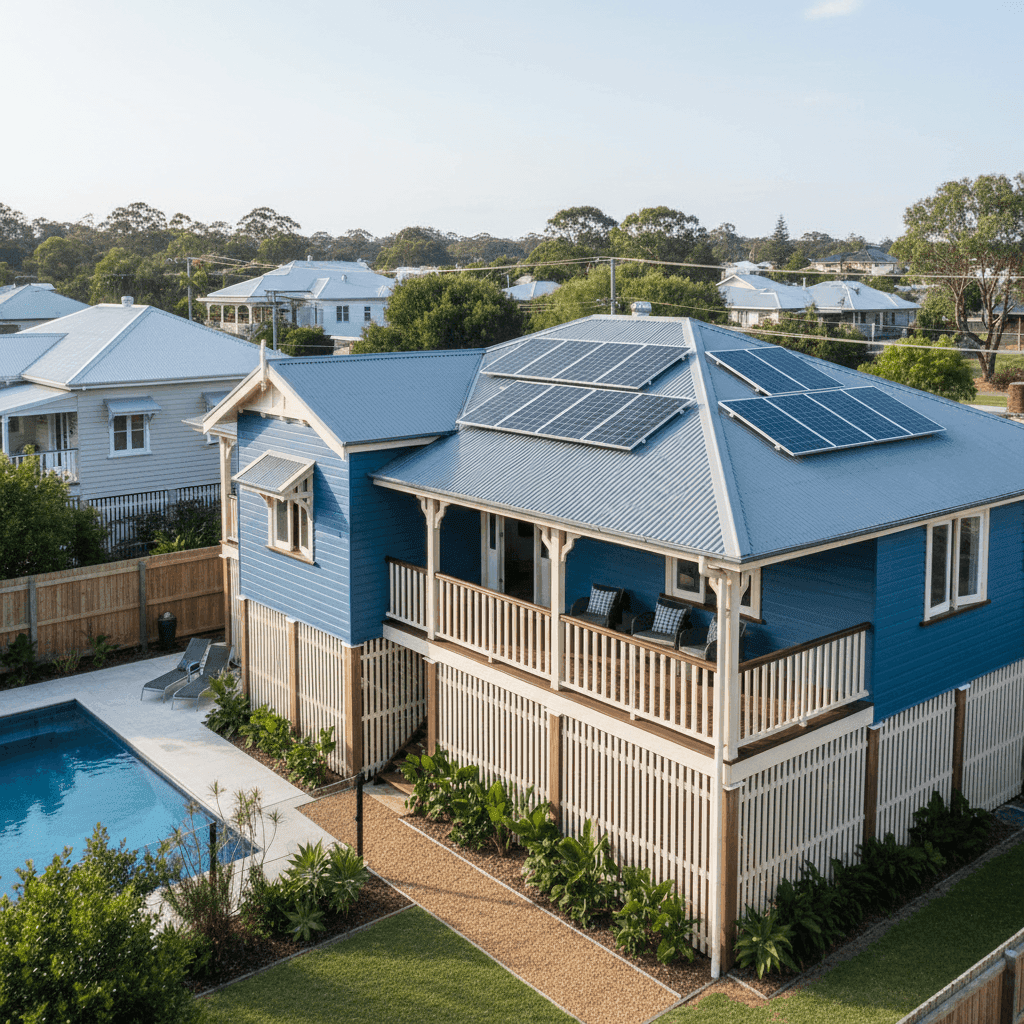
Cessnock sits in the heart of the Hunter Valley — a region celebrated for its wine, scenery, and relaxed pace of life. But for homeowners in this part of New South Wales, understanding what you're paying for home insurance (and whether it's actually fair) can be just as important as choosing the right vintage. This article breaks down a real home and contents insurance quote for a three-bedroom, two-bathroom free-standing home in Cessnock, examining how the $3,862 annual premium stacks up against local, state, and national benchmarks.
---
Is This Quote Fair?
The short answer: it's on the higher side — but perhaps not as alarming as it first appears when you look at the full picture.
This quote carries a price rating of Expensive (Above Average), coming in at $3,862 per year (or $370/month) for combined home and contents cover. The building is insured for $914,000 with $50,000 in contents cover, and both the building and contents excesses are set at $2,000.
To put that premium in context, the median home insurance premium in Cessnock is $1,944 per year, meaning this quote is roughly double the midpoint for the suburb. The 75th percentile sits at $2,689/yr — so this quote exceeds even the upper quartile of local pricing. That said, the suburb's average premium is a striking $21,660/yr, which signals that some properties in the area attract extremely high premiums, likely due to specific risk factors. This quote, while above median, is well below that average.
It's also worth noting that the building sum insured of $914,000 is substantial. Higher insured values naturally translate to higher premiums, and for a 214 sqm home with a heritage construction date of 1896, that figure reflects the genuine cost of rebuilding with period-appropriate materials and craftsmanship.
---
How Cessnock Compares
When you zoom out from the suburb level, the picture becomes more nuanced. Here's how this quote compares across different benchmarks:
| Benchmark | Premium |
|---|---|
| This Quote | $3,862/yr |
| Cessnock Suburb Median | $1,944/yr |
| Cessnock Suburb Average | $21,660/yr |
| NSW State Median | $3,770/yr |
| NSW State Average | $9,528/yr |
| National Median | $2,764/yr |
| National Average | $5,347/yr |
| LGA Average (Central Coast NSW) | $8,387/yr |
Interestingly, this quote sits almost exactly in line with the NSW state median of $3,770/yr — suggesting that while it's above average for the Cessnock suburb specifically, it's broadly consistent with what many NSW homeowners are paying. It's also below both the NSW state average and the national average, which provides some reassurance.
You can explore more local pricing data on the Cessnock suburb insurance stats page, compare it against NSW state-wide figures, or see where it lands against national home insurance benchmarks.
---
Property Features That Affect Your Premium
Several characteristics of this property are likely contributing to a higher-than-median premium. Understanding these factors can help you make sense of your quote — and potentially identify areas where adjustments could bring costs down.
Heritage Construction (Built 1896)
A home built in 1896 is over 125 years old. Older properties are generally more expensive to insure because rebuilding or repairing them requires specialised trades, period-matching materials, and compliance with heritage considerations. Insurers price this risk accordingly.
Weatherboard Timber Walls
Weatherboard construction is common in older Australian homes and carries a higher fire risk compared to brick or rendered masonry. Timber is also more susceptible to rot, pest damage, and moisture ingress — all factors that can influence premium pricing.
Stump Foundation & Elevated Structure
This home is elevated by at least one metre on stumps, which is a classic feature of older Australian architecture. While elevation can offer some flood protection, stump foundations require periodic inspection and maintenance. Insurers may factor in the cost of potential subfloor repairs.
Steel/Colorbond Roof
On the positive side, a Colorbond steel roof is generally viewed favourably by insurers. It's durable, fire-resistant, and low-maintenance compared to older roofing materials like terracotta tiles or asbestos sheeting sometimes found on heritage homes.
Swimming Pool
A pool adds value to the property — and to the sum insured — but it also introduces liability considerations. Pool-related incidents can be covered under home insurance policies, and their presence can nudge premiums upward.
Solar Panels
Solar panels are an increasingly common feature and are typically included in building cover. They add to the replacement value of the home, which is reflected in the building sum insured.
Ducted Climate Control
Ducted systems are a significant fixed asset and form part of the building's insured value. Like solar panels, they contribute to the overall replacement cost calculation.
---
Tips for Homeowners in Cessnock
If you're a Cessnock homeowner looking to get better value on your home insurance, here are four practical steps worth considering:
1. Review your sum insured regularly Building costs have risen significantly in recent years. Make sure your sum insured reflects the current cost of rebuilding your home — not what it might have cost five years ago. Under-insuring can be just as costly as over-insuring if you need to make a claim. Use a building cost calculator or speak with a local builder for an updated estimate.
2. Consider a higher excess to reduce your premium Both the building and contents excess on this policy are set at $2,000. Opting for a higher voluntary excess — say, $2,500 or $3,000 — can meaningfully reduce your annual premium. Just make sure the excess is an amount you could comfortably cover out of pocket if needed.
3. Bundle your building and contents cover This quote already combines building and contents insurance, which is a smart move. Many insurers offer discounts for bundled policies compared to purchasing each cover separately. If you haven't already bundled, it's worth exploring.
4. Compare quotes before renewal Loyalty doesn't always pay in insurance. Premiums can vary significantly between providers for the same property and level of cover — as the wide spread of Cessnock suburb data (from $1,198 at the 25th percentile to $21,660 average) clearly demonstrates. Shopping around at renewal time is one of the most effective ways to avoid overpaying.
---
Ready to Find a Better Deal?
Whether you're reviewing an existing policy or shopping for cover for the first time, comparing quotes is the single best thing you can do for your hip pocket. At CoverClub, we make it easy to see how your premium stacks up and find competitive options suited to your property. Get a home insurance quote today and see what you could be saving.