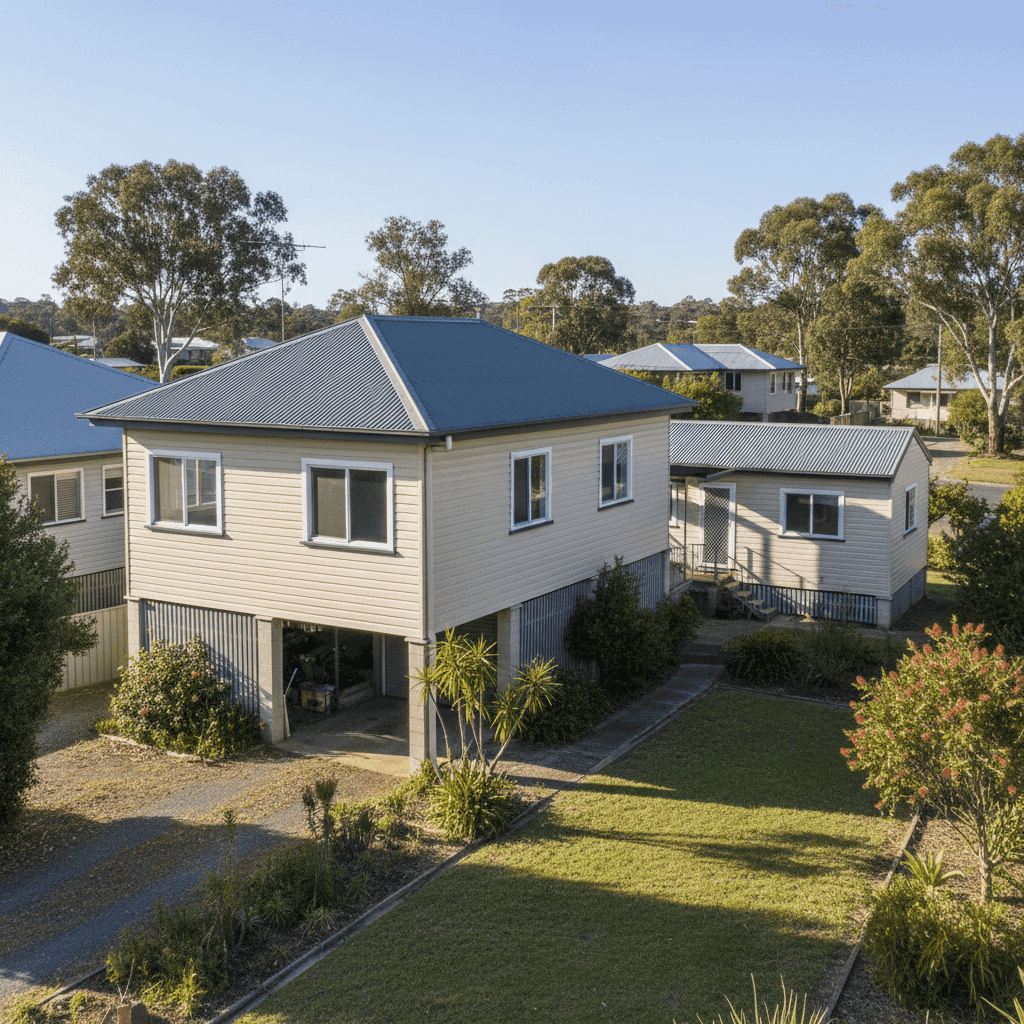
If you own a free standing home in Cessnock, NSW 2325, you've probably wondered whether you're paying a fair price for home insurance — or quietly overpaying without realising it. Cessnock sits in the heart of the Hunter Valley, a region known for its wine country charm and a mix of older and newer residential housing stock. For a 3-bedroom, 1-bathroom home built in 1950, understanding what drives your premium is key to making sure you're properly protected without leaving money on the table.
This article breaks down a real building insurance quote for a property in Cessnock, compares it against local, state, and national benchmarks, and offers practical tips to help you get the best value cover.
---
Is This Quote Fair?
The quote in question comes in at $1,568 per year (or $153/month) for building-only cover on a 130 sqm free standing home, with a sum insured of $554,000 and a building excess of $2,000.
Our price rating for this quote is FAIR — Around Average, which is actually a solid outcome for a property of this age and construction type. Here's why that matters:
- The suburb's 25th percentile (the cheapest quarter of quotes) sits at $1,523/yr — meaning this quote is only marginally above the most competitive pricing available in the area.
- The suburb median is $1,998/yr, so this quote comes in $430 below the midpoint for Cessnock.
- The suburb average is $2,728/yr — this quote is 42% below that figure.
In plain terms: while the rating is "around average," the actual dollar figure is quite competitive relative to what most Cessnock homeowners are paying. The "fair" rating reflects that cheaper options may exist, but this is by no means an overpriced quote.
---
How Cessnock Compares
To put this quote in proper context, it helps to zoom out and look at the broader picture. Based on data from 91 quotes collected for the Cessnock 2325 area:
| Benchmark | Premium |
|---|---|
| This quote | $1,568/yr |
| Cessnock suburb median | $1,998/yr |
| Cessnock suburb average | $2,728/yr |
| NSW state median | $3,410/yr |
| NSW state average | $3,801/yr |
| National median | $2,716/yr |
| National average | $2,965/yr |
This quote sits well below both NSW state averages and national benchmarks. The NSW average of $3,801/yr is more than double this quote — a significant gap that reflects how much premiums can vary across the state, particularly in high-risk coastal, flood-prone, or bushfire-affected areas.
One figure worth flagging: the LGA average for Central Coast (NSW) is listed at $8,387/yr — an unusually high figure likely driven by properties in elevated flood or storm surge risk zones within that broader LGA boundary. Cessnock itself, as an inland Hunter Valley location, benefits from a more moderate risk profile in comparison.
For NSW homeowners curious about how their area stacks up, the NSW insurance stats page offers a useful state-wide overview.
---
Property Features That Affect Your Premium
Several characteristics of this property influence how insurers price the risk. Here's what's relevant:
Age of Construction (1950)
A home built in 1950 is over 70 years old, which raises a few flags for insurers. Older homes may have ageing electrical wiring, plumbing, and structural components that increase the likelihood of a claim. Expect this to push premiums slightly higher than a comparable modern build.
Vinyl Cladding Exterior Walls
Vinyl cladding is generally considered a moderate-risk external wall material. It's not as resilient as brick veneer in some scenarios, but it's lightweight and relatively affordable to repair or replace — which can work in your favour when insurers calculate rebuild costs.
Steel / Colorbond Roof
Colorbond roofing is a popular and well-regarded choice among Australian insurers. It's durable, fire-resistant, and performs well in high-wind conditions. This is likely a positive factor in keeping the premium reasonable.
Stump Foundation
Homes on stumps (also known as pier foundations) are common in older Australian housing, particularly in NSW and Queensland. While this construction style can be more vulnerable to certain types of damage — such as subfloor moisture issues or movement — it also allows for easier access to underfloor plumbing and wiring, which can reduce repair costs.
Granny Flat
The presence of a granny flat on the property is worth noting. Insurers treat this as an additional structure, and it's important to confirm whether your building sum insured of $554,000 adequately covers both the main dwelling and the secondary dwelling. Underinsurance is a common and costly mistake.
No Pool, No Solar, No Ducted Climate Control
The absence of a pool, solar panels, and ducted air conditioning simplifies the risk profile and keeps rebuild costs more predictable — all of which tend to support a lower premium.
---
Tips for Homeowners in Cessnock
1. Review Your Sum Insured Regularly
With a sum insured of $554,000 on a 130 sqm home that includes a granny flat, it's worth doing a rebuild cost estimate to make sure both structures are adequately covered. Building costs have risen significantly in recent years, and being underinsured can leave you seriously out of pocket after a major claim.
2. Ask About Discounts for Security Features
If your property has deadlocks, alarm systems, or smoke detectors installed, let your insurer know. Many providers offer discounts for these features, and older homes in particular can benefit from demonstrating upgraded safety measures.
3. Consider Your Excess Strategy
This quote carries a $2,000 building excess. Opting for a higher excess is one of the most straightforward ways to reduce your annual premium — but make sure you can comfortably cover that amount out of pocket if you need to make a claim. Find the balance that suits your financial situation.
4. Compare Quotes Before Renewing
Loyalty doesn't always pay in insurance. Insurers frequently offer better pricing to new customers than to existing ones. Before your policy renews each year, take 10 minutes to compare quotes on CoverClub to make sure you're still getting a competitive deal.
---
Ready to Compare?
Whether you're buying, renewing, or just curious about what you should be paying, CoverClub makes it easy to compare home insurance quotes across Australia. Enter your address at CoverClub to see how your current premium stacks up — and find out if there's a better deal waiting for you.