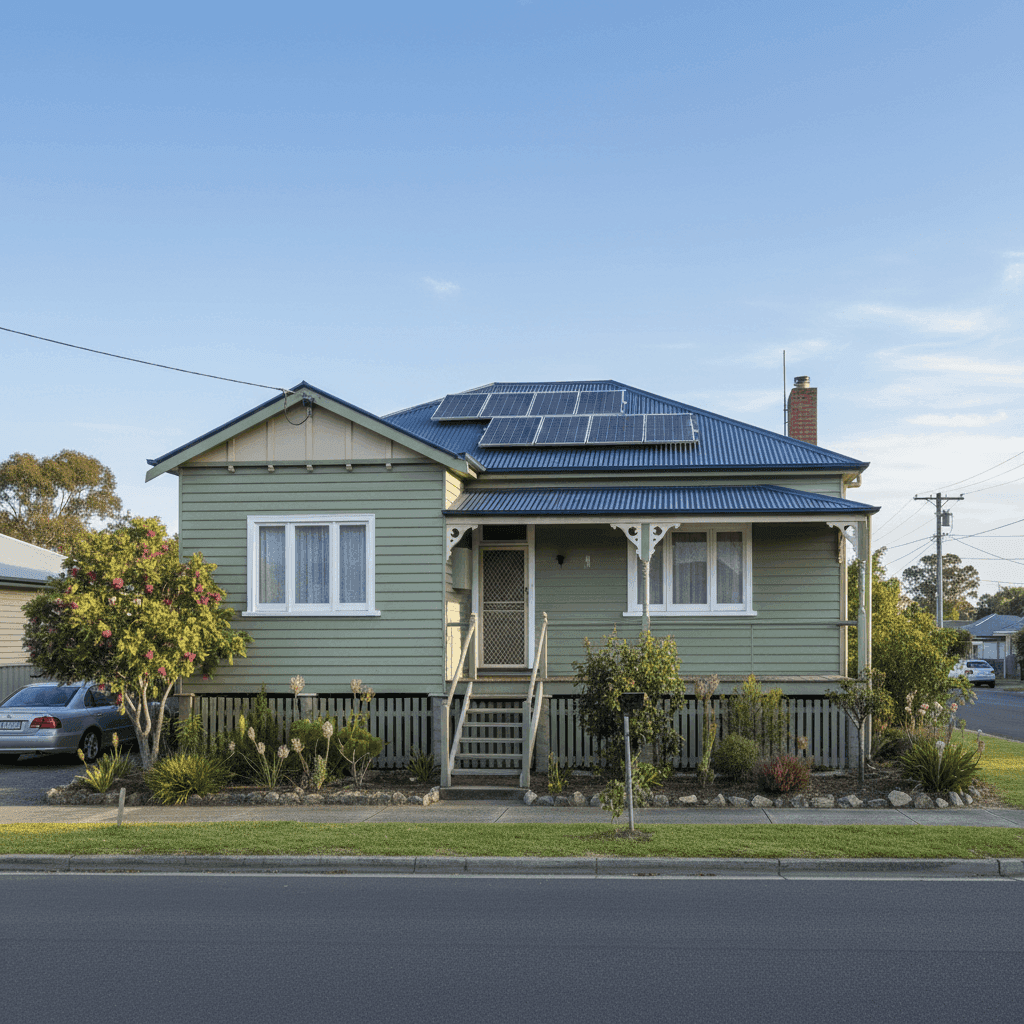
Cessnock sits at the heart of the Hunter Valley — a region celebrated for its wine country, relaxed lifestyle, and affordable housing. But for owners of older free standing homes in the area, home insurance can be anything but affordable. This article breaks down a real home and contents insurance quote for a 3-bedroom, 2-bathroom free standing home in Cessnock NSW 2325, examines what's driving the cost, and offers practical guidance for local homeowners looking to get better value.
---
Is This Quote Fair?
The quote in question comes in at $6,589 per year (or $637/month) for combined home and contents cover, with a building sum insured of $520,000 and contents valued at $100,000. The building excess is $3,000 and the contents excess is $2,000.
Our price rating for this quote is Expensive — Above Average, and the data backs that up clearly.
The suburb average annual premium in Cessnock is $2,728, meaning this quote is roughly 2.4 times what the typical local homeowner pays. Even compared to the suburb's 75th percentile — meaning the most expensive quarter of quotes — the benchmark sits at $3,216/yr, still well below this figure.
That said, pricing this high doesn't happen in a vacuum. Several property-specific factors are almost certainly contributing to the elevated premium, which we'll unpack in detail below. The key takeaway: this quote warrants scrutiny, and homeowners in a similar position should absolutely shop around before accepting it.
---
How Cessnock Compares
To put the numbers in context, here's how Cessnock stacks up against broader benchmarks:
| Benchmark | Average Premium | Median Premium |
|---|---|---|
| Cessnock (2325) | $2,728/yr | $1,998/yr |
| NSW | $3,801/yr | $3,410/yr |
| National | $2,965/yr | $2,716/yr |
| Central Coast LGA | $4,203/yr | — |
(Based on 91 quotes sampled in the Cessnock suburb.)
Interestingly, Cessnock's average and median premiums sit below both the NSW and national averages — suggesting that, in general, insuring a home in this suburb is relatively accessible compared to many other parts of the country. You can explore the full NSW insurance stats and national home insurance data to see how other regions compare.
The Central Coast LGA average of $4,203/yr is notably higher than Cessnock's suburb average, which may reflect coastal flood and storm exposure in other parts of the LGA dragging that figure upward.
Given all this, a quote of $6,589 sits well outside the normal range for this area — making it especially important to compare alternatives.
---
Property Features That Affect Your Premium
Several characteristics of this particular property are likely pushing the premium above the local norm. Here's what insurers are likely weighing up:
Weatherboard Timber Construction
Weatherboard (timber) external walls are one of the most significant premium drivers for older Australian homes. Timber is more susceptible to fire, rot, and pest damage than brick or rendered masonry, and replacement costs can be higher due to the specialised labour involved. Insurers typically apply a loading to weatherboard homes as a result.
Age of the Property (Built 1960)
A home built in 1960 is over 60 years old. Older homes carry greater risk of ageing infrastructure — think outdated wiring, plumbing, and structural components — that can increase the likelihood and cost of a claim. Many insurers factor construction era into their risk modelling.
Stump Foundation
Homes on stumps (also known as pier or post foundations) present unique risks. While common in older Australian residential construction, they can be vulnerable to subsidence, termite activity, and structural movement over time. This adds another layer of complexity for insurers assessing rebuild risk.
Timber and Laminate Flooring
Timber floors — particularly in a stumped, elevated home — can be expensive to repair or replace following events like storm water ingress or flooding. This may contribute modestly to the contents and building premium.
Solar Panels
Solar panels are an increasingly common feature on Australian rooftops, but they do add to the insured value of the building. Replacement after a hail event, storm, or fire can run into thousands of dollars, and not all policies cover them equally. It's worth confirming your policy explicitly covers solar panels for their full replacement value.
Elevated by Less Than 1 Metre
The home is elevated on stumps, but by less than a metre. While this provides some protection against minor surface water, it may not be sufficient to avoid damage in a significant flood or storm surge event. Insurers will note this when assessing flood and water damage risk.
High Sum Insured
At $520,000, the building sum insured is substantial. Rebuild costs for older weatherboard homes can be genuinely high — especially when factoring in demolition, compliance upgrades to current building codes, and the cost of period-appropriate materials. It's worth getting an independent building replacement cost estimate to ensure this figure is accurate and not over-inflated.
---
Tips for Homeowners in Cessnock
If you're facing a high premium on an older weatherboard home in the Hunter Valley, here are four practical steps worth taking:
1. Compare Multiple Quotes
This is the single most impactful thing you can do. Insurers price risk very differently, and the gap between the cheapest and most expensive quote for the same property can be enormous — as this example illustrates. Get a quote through CoverClub to see how multiple insurers price your specific property.
2. Review Your Sum Insured
An over-insured building means you're paying premiums on value you may never need to claim. Consider commissioning a professional building replacement cost assessment — many quantity surveyors offer this service — to make sure your $520,000 sum insured is grounded in reality rather than a rough estimate.
3. Adjust Your Excess Strategically
This quote already carries a relatively high excess ($3,000 for building, $2,000 for contents). If you're comfortable self-funding smaller claims, a higher excess can meaningfully reduce your annual premium. Conversely, if those excess levels feel uncomfortable, it's worth factoring that into your comparison.
4. Ask About Discounts and Bundling
Some insurers offer discounts for bundling home and contents, for installing security systems, or for being claim-free over a number of years. It's always worth asking directly — these savings aren't always advertised upfront.
---
Ready to Compare?
Whether you're reviewing an existing policy or shopping for the first time, comparing quotes is the fastest way to find better value. CoverClub makes it easy to see how your premium stacks up against local Cessnock benchmarks and get quotes from multiple insurers in one place. Start your comparison today — it takes just a few minutes and could save you thousands.