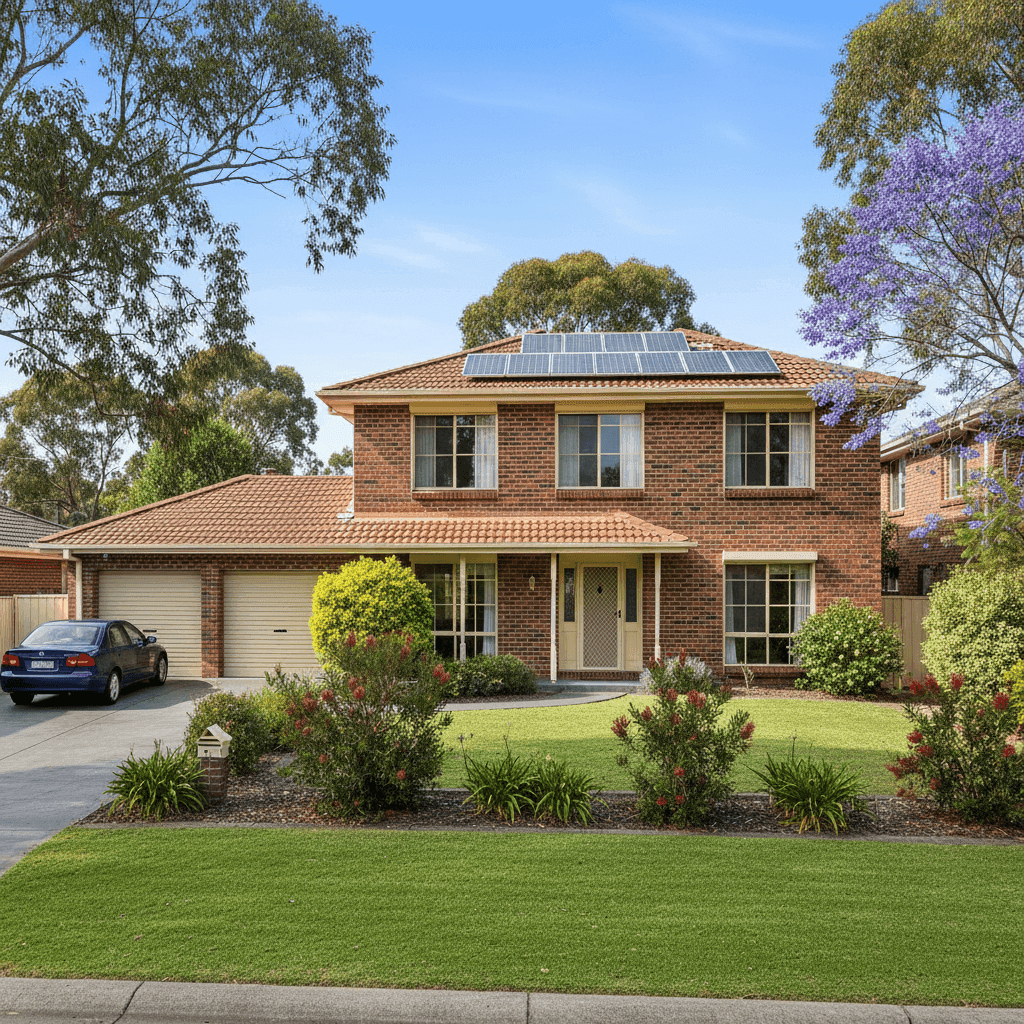
Cessnock, nestled in the heart of the Hunter Valley wine region, is a popular choice for families seeking a relaxed lifestyle within commuting distance of Newcastle. If you own a free standing home here, understanding what you should be paying for home and contents insurance — and why — can make a real difference to your household budget. This article breaks down a recent quote for a four-bedroom, two-bathroom brick veneer home in Cessnock (postcode 2325), and puts the numbers into context using suburb, state, and national data.
---
Is This Quote Fair?
The quote in question comes in at $3,375 per year (or $323 per month) for combined home and contents cover, with a building sum insured of $855,000 and contents valued at $50,000. Both the building and contents excess are set at $1,000.
Our price rating for this quote is Expensive — Above Average.
To understand what that means in practice, it helps to look at where this premium sits relative to the broader market. The suburb median premium in Cessnock is $1,944 per year, meaning this quote is running at roughly 74% above what the typical homeowner in the area is paying. It also sits comfortably above the suburb's 75th percentile of $2,689/yr — so fewer than one in four comparable quotes in this postcode are priced higher.
That said, it's worth noting the suburb average premium is a striking $21,660/yr — heavily skewed by a small number of very high-value or high-risk properties in the dataset of 56 quotes. The median is almost always the more reliable benchmark for typical homeowners, and on that measure, $3,375/yr is on the higher end.
The building sum insured of $855,000 is a significant factor here. For a 268 sqm home built in 1982, that's a substantial rebuild estimate, and insurers price accordingly. Higher insured values naturally attract higher premiums, so it's worth periodically reviewing whether your sum insured accurately reflects current construction costs — neither over- nor under-insuring.
---
How Cessnock Compares
Zooming out to the broader market gives useful perspective. Here's how this quote stacks up:
| Benchmark | Premium |
|---|---|
| This Quote | $3,375/yr |
| Cessnock Suburb Median | $1,944/yr |
| Cessnock Suburb 75th Percentile | $2,689/yr |
| NSW State Median | $3,770/yr |
| NSW State Average | $9,528/yr |
| National Median | $2,764/yr |
| National Average | $5,347/yr |
| LGA Average (Central Coast NSW) | $8,387/yr |
Interestingly, while this quote is above the Cessnock suburb median, it actually falls below the NSW state median of $3,770/yr. Compared to the broader New South Wales market, where premiums can be pushed up significantly by coastal flood risk, bushfire exposure, and high-value properties in Sydney, Cessnock comes out looking relatively reasonable.
Against the national median of $2,764/yr, the quote is higher — but again, the elevated building sum insured plays a meaningful role in that comparison.
You can explore more detailed data for this postcode at our Cessnock suburb insurance stats page, or compare across the state on our NSW insurance statistics page. For a broader view, our national home insurance stats provide context across all Australian states and territories.
---
Property Features That Affect Your Premium
Several characteristics of this property have a direct bearing on how insurers assess risk and calculate premiums.
Brick Veneer Construction & Tiled Roof Brick veneer walls combined with a tiled roof are generally viewed favourably by insurers. Both materials offer solid fire resistance and durability, which can help moderate premiums compared to properties with timber cladding or metal roofing. This is a genuine advantage for this home.
Construction Year: 1982 A home built in 1982 is over 40 years old, which means insurers will factor in the age of key systems — plumbing, electrical wiring, and roofing — when assessing risk. Older homes can attract slightly higher premiums due to the increased likelihood of wear-related claims. Keeping maintenance records and evidence of upgrades (such as rewiring or re-roofing) can sometimes support a more competitive quote.
Slab Foundation A concrete slab foundation is standard for many Australian homes of this era and is generally considered a neutral-to-positive risk factor. It reduces the risk of subsidence-related claims compared to older pier-and-beam foundations.
Timber and Laminate Flooring Timber and laminate flooring can be a meaningful contents or building consideration, as these materials carry a higher replacement cost than carpet. Insurers may factor this into their building assessment.
Solar Panels With solar panels installed, there's an added layer of complexity for insurers — panels need to be covered for storm damage, hail, and electrical faults. Not all standard policies automatically include solar panel cover, so it's important to confirm this is explicitly included in your policy wording.
Ducted Climate Control Ducted air conditioning systems are a significant fixed asset and can add to the building's replacement value. This is appropriately reflected in a higher sum insured.
No Pool The absence of a swimming pool removes a common liability risk factor, which can help keep premiums more contained.
---
Tips for Homeowners in Cessnock
1. Review Your Sum Insured Annually Building costs have risen sharply in recent years. It's worth checking that your $855,000 sum insured still reflects realistic rebuild costs — using an independent building cost estimator or speaking to a local builder can help. Over-insuring unnecessarily inflates your premium, while under-insuring leaves you exposed.
2. Confirm Solar Panel Coverage Given the solar panels on this property, read your policy documents carefully to ensure panels are covered for all relevant perils — including storm, hail, and electrical surge. Some insurers include this automatically; others treat it as an optional add-on.
3. Ask About Discounts for Security and Safety Features Many insurers offer premium discounts for homes with monitored alarm systems, deadbolts, and smoke detectors. If your home has these features, make sure your insurer knows — it may not be reflected in your current quote.
4. Compare Multiple Quotes The spread of premiums in Cessnock is wide — from $1,198/yr at the 25th percentile to well above $2,689/yr at the 75th. That range tells you there's genuine price variation in the market for similar properties. Shopping around at renewal time is one of the most effective ways to ensure you're not overpaying.
---
Ready to Find a Better Deal?
Whether you're reviewing an existing policy or shopping for the first time, comparing quotes is the smartest move you can make. At CoverClub, we make it easy to see what multiple insurers would charge for your specific property — so you can make a confident, informed decision. Get a home insurance quote today and see how much you could save.