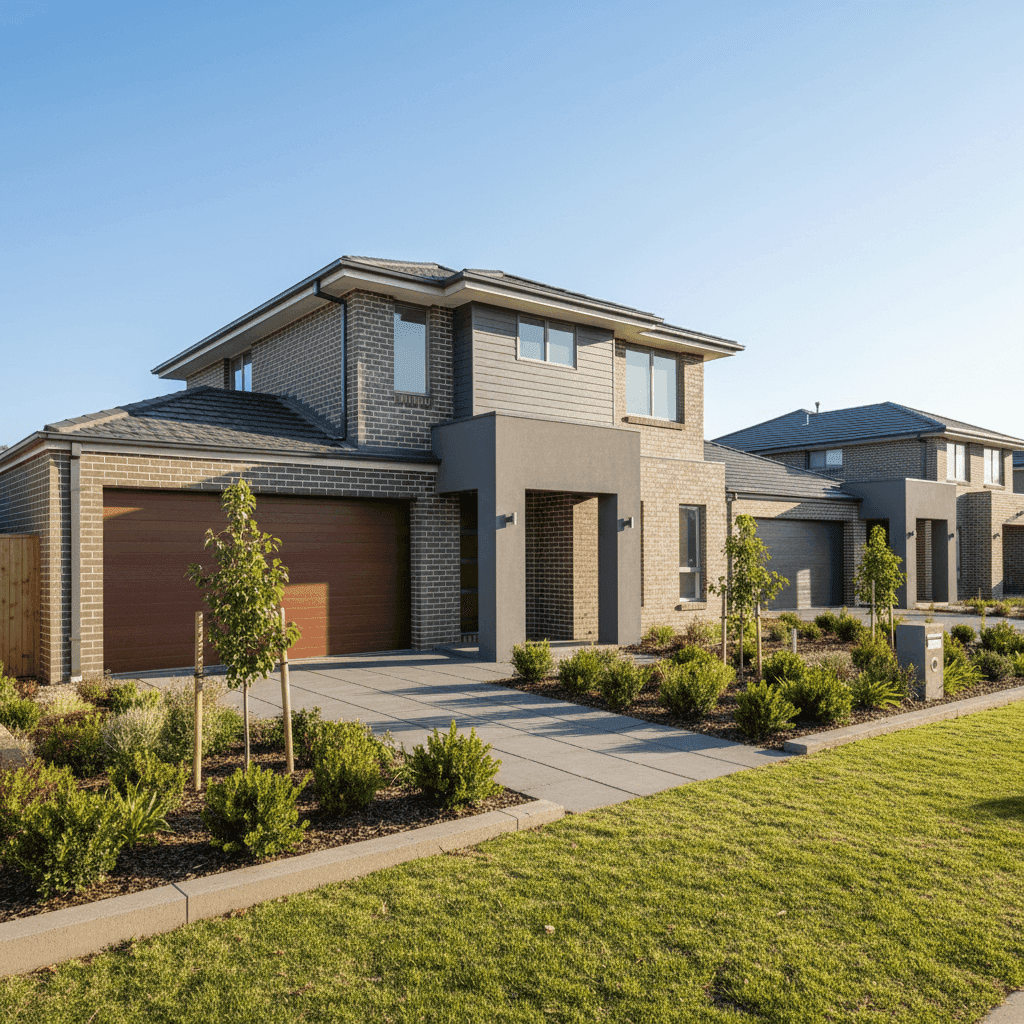
Charlemont is a relatively new residential suburb on the outskirts of Geelong in Victoria's south-west, and it's become increasingly popular with families looking for modern, purpose-built homes. If you own a free standing home in this area and are thinking about home and contents insurance, understanding how your premium compares to the broader market can help you make a more informed decision. This article breaks down a recent quote for a four-bedroom property in Charlemont — and what it actually means for your hip pocket.
---
Is This Quote Fair?
The quote in question comes in at $1,262 per year (or around $123 per month) for combined home and contents cover, with a building sum insured of $735,000 and contents valued at $200,000. The building excess sits at $2,000, while the contents excess is $600.
Our price rating for this quote is FAIR — Around Average, which is a reasonable outcome for most homeowners. It means you're not being overcharged, but there may still be room to find a more competitive rate depending on your insurer and circumstances.
To put the number in context: the suburb average for Charlemont is $1,242 per year, and the median sits at $1,233. At $1,262, this quote is only about $20–$30 above the local average — a negligible difference that comfortably places it within the typical range for the area. In short, this is a competitive quote that reflects what most Charlemont homeowners are paying.
---
How Charlemont Compares
One of the most striking things about this quote is just how affordable Charlemont is relative to the rest of Victoria and the country as a whole.
| Benchmark | Average Premium |
|---|---|
| Charlemont (3217) | $1,242 / yr |
| Surf Coast LGA | $2,520 / yr |
| Victoria | $2,921 / yr |
| National | $2,965 / yr |
The numbers tell a compelling story. The average Charlemont homeowner pays less than half the Victorian state average, and less than half the national average. Even compared to the broader Surf Coast LGA average of $2,520, Charlemont premiums are dramatically lower.
This gap is largely explained by Charlemont's risk profile. The suburb sits outside cyclone-prone regions, is not in a high-bushfire-risk zone, and benefits from modern housing stock built to contemporary standards. All of these factors contribute to lower insurer risk assessments — and lower premiums as a result.
Looking at the local spread, the 25th percentile sits at $1,003 and the 75th percentile at $1,539, based on a sample of 78 quotes. This means roughly half of Charlemont homeowners are paying between $1,003 and $1,539 per year — and this quote falls comfortably within that band.
---
Property Features That Affect Your Premium
Several characteristics of this particular property play a role in determining the premium, and most of them work in the homeowner's favour.
Construction year (2021): This is a relatively new home, built to modern Australian building codes. Newer homes are generally viewed more favourably by insurers because they're less likely to have ageing plumbing, wiring, or structural issues that can lead to claims.
Brick veneer walls and tiled roof: This is one of the most common and well-regarded construction types in Victoria. Brick veneer offers solid fire resistance and durability, while a tiled roof is considered a lower risk than materials such as corrugated iron or asbestos sheeting. Together, these features typically attract more competitive premiums.
Slab foundation: Concrete slab construction is standard for modern Victorian homes and is generally seen as stable and low-risk by insurers, particularly in areas without significant soil movement or flood exposure.
Ducted climate control: While this is a desirable home feature, it does add to the replacement cost of the property and contributes to the overall sum insured. It's worth ensuring your building sum insured accurately reflects the cost of reinstating all fixed inclusions like this.
No pool, no solar panels: Both pools and solar panel systems can add complexity — and sometimes cost — to a home insurance policy. The absence of these features keeps the risk profile straightforward.
214 sqm floor area, four bedrooms, two bathrooms, standard fittings: This is a well-sized family home with a moderate fit-out. Standard fittings (as opposed to high-end or bespoke finishes) generally mean lower rebuilding costs per square metre, which helps keep the sum insured — and therefore the premium — more manageable.
---
Tips for Homeowners in Charlemont
1. Double-check your building sum insured At $735,000, the building cover in this quote needs to reflect the full cost of rebuilding your home from scratch — not its market value. With construction costs having risen significantly in recent years, it's worth using a building calculator or speaking with a quantity surveyor to make sure you're not underinsured. Charlemont's newer homes can be expensive to rebuild due to their size and inclusions.
2. Review your contents value annually $200,000 in contents cover is a reasonable starting point for a four-bedroom home, but it's easy to underestimate how much your belongings are worth. Do a room-by-room audit every year and update your policy accordingly — especially after major purchases.
3. Compare quotes before renewal Even though this quote is rated as fair, the local market shows a spread of over $500 between the 25th and 75th percentiles. That means there's real variation among insurers in Charlemont. Shopping around at renewal time — rather than auto-renewing — could save you hundreds of dollars per year.
4. Consider your excess settings carefully This quote carries a $2,000 building excess and a $600 contents excess. Opting for a higher excess is one way to reduce your annual premium, but make sure you're comfortable covering that amount out of pocket if you need to make a claim. A lower excess offers more protection but typically comes at a higher premium.
---
Ready to Compare?
Whether you're a first-time buyer or a long-time Charlemont resident, it pays to see what the market has to offer before committing to a policy. Get a home insurance quote at CoverClub and compare options side by side — it only takes a few minutes and could make a meaningful difference to what you pay each year.