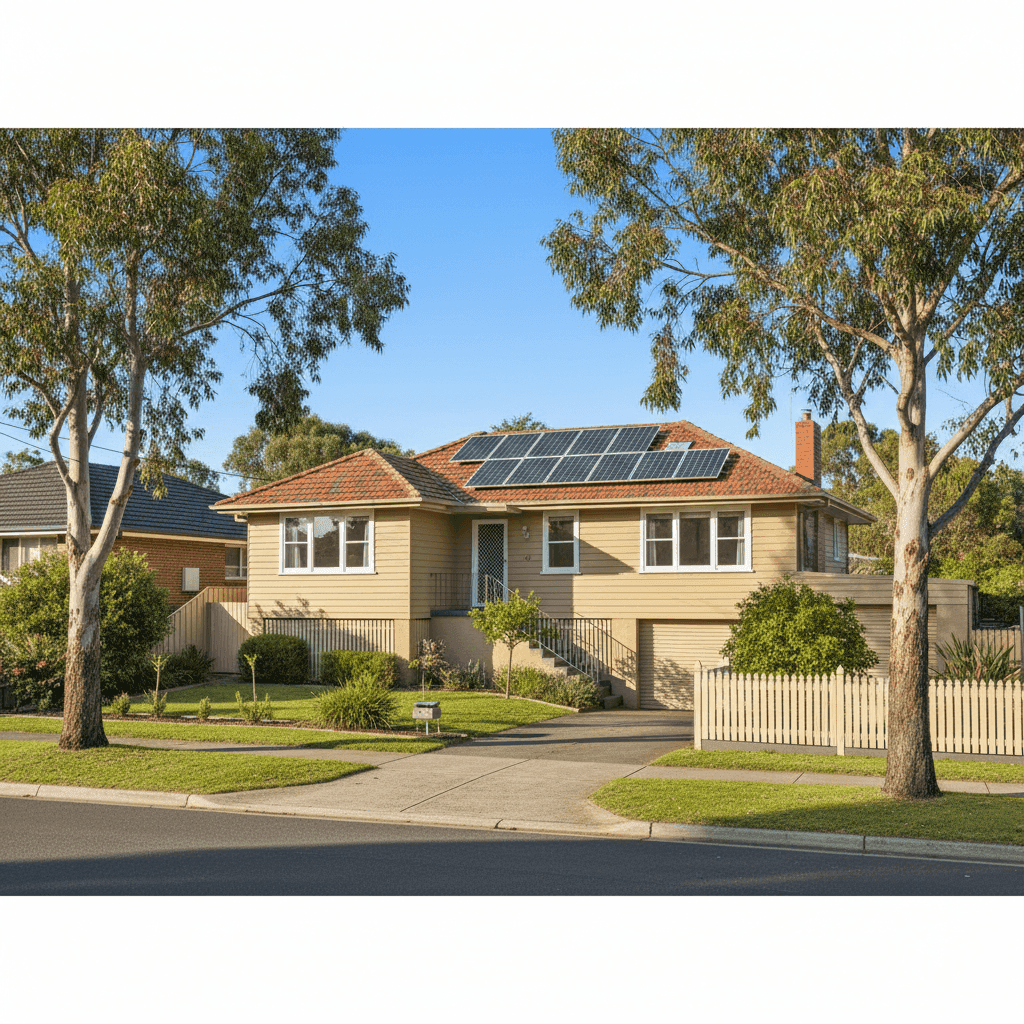
If you own a free standing home in Charlestown, NSW 2290, you're likely no stranger to the challenge of finding competitive home insurance. Nestled in the Lake Macquarie local government area, Charlestown is a well-established suburb with a mix of older and newer housing stock — and that mix plays a significant role in what homeowners pay to protect their properties. This article breaks down a recent home and contents insurance quote for a four-bedroom, two-bathroom weatherboard home in the area, and puts the numbers into context so you can judge whether you're getting a fair deal.
---
Is This Quote Fair?
The quote in question comes in at $4,393 per year (or $421/month) for combined home and contents cover, with a building sum insured of $727,000 and contents valued at $100,000. Both the building and contents excesses are set at $1,000.
Our price rating for this quote is EXPENSIVE — above average for the suburb.
To put that in perspective, the average home and contents premium across Charlestown (postcode 2290) sits at just $2,409 per year, with a median of $2,451. This quote lands well above the suburb's 75th percentile of $3,240 — meaning it's pricier than roughly three-quarters of comparable quotes we've seen in the area. That's a meaningful gap worth investigating before simply renewing or accepting the first offer that comes your way.
That said, it's important to acknowledge that several property-specific factors can push a premium above the local norm, and this particular home has a few characteristics that insurers tend to price more cautiously. We'll unpack those shortly.
---
How Charlestown Compares
Understanding where your suburb sits relative to broader benchmarks gives valuable context. Here's how Charlestown stacks up:
| Benchmark | Average Premium | Median Premium |
|---|---|---|
| Charlestown (2290) | $2,409/yr | $2,451/yr |
| NSW (State) | $9,528/yr | $3,770/yr |
| National | $5,347/yr | $2,764/yr |
| Lake Macquarie LGA | $11,064/yr | — |
> Based on a sample of 45 quotes for Charlestown. [View full suburb stats →](https://coverclub.com.au/stats/NSW/2290/charlestown)
A few things stand out here. The NSW state average of $9,528 is dramatically higher than the median of $3,770 — a classic sign that a small number of very high-risk or high-value properties are pulling the mean upward. The same dynamic plays out at the Lake Macquarie LGA level, where the average of $11,064 is likely skewed by waterfront and flood-prone properties around the lake. Charlestown itself, sitting slightly inland, benefits from a more moderate risk profile.
At the national level, the average of $5,347 is again well above the median of $2,764, reflecting the outsized influence of cyclone-prone and flood-affected regions in Queensland and Western Australia. See national insurance trends →
For NSW homeowners specifically, Charlestown is actually one of the more affordable suburbs to insure — at least based on median premiums. Explore NSW suburb comparisons →
---
Property Features That Affect Your Premium
Several characteristics of this home are worth discussing, as they directly influence how insurers calculate risk and, ultimately, what they charge.
Weatherboard Timber Construction
Weatherboard homes are among the most common in older Australian suburbs, and this property's external timber walls are a notable pricing factor. Timber is considered a higher fire risk than brick veneer or full brick, and it's also more susceptible to rot, pest damage, and storm impact. Insurers typically apply a loading to timber-clad homes, which can meaningfully lift the base premium.
Tiled Roof
On the plus side, a tiled roof is generally viewed favourably by insurers compared to corrugated iron or older materials like fibro. Tiles are durable, fire-resistant, and widely repairable — so this feature likely has a neutral-to-positive effect on the premium.
Stump Foundation
The home sits on stumps, which is typical for properties built in this era (construction year: 1975). Stump foundations can introduce concerns around subsidence, pest access (particularly termites), and moisture — all of which insurers factor into their risk assessment. This foundation type may contribute to a higher-than-average premium.
Timber and Laminate Flooring
The flooring type reinforces the older construction profile of the home. While not a major standalone driver, it contributes to the overall picture insurers paint of a property's rebuild complexity and material costs.
Solar Panels
This home has solar panels installed, which adds to the insured value of the building. Solar systems can be expensive to repair or replace after storm or hail damage, and insurers need to factor this into the building sum insured. It's worth confirming with your insurer that your solar system is explicitly covered under the building policy.
Ducted Climate Control
Ducted air conditioning systems are another high-value fixed asset that increases the cost to rebuild or repair the home. Like solar panels, this system should be reflected in your building sum insured to avoid being underinsured.
Building Size and Sum Insured
At 244 sqm and a building sum insured of $727,000, this is a substantial property. The sum insured is one of the most direct drivers of premium — the more it costs to rebuild your home, the more your insurer charges to cover that risk. It's worth periodically reviewing your sum insured to ensure it's accurate (neither too low nor unnecessarily high).
---
Tips for Homeowners in Charlestown
1. Shop Around — Seriously
The gap between this quote ($4,393) and the suburb average ($2,409) is over $1,900 per year. That's not pocket change. Premiums vary enormously between insurers for the same property, so comparing multiple quotes is one of the single most effective things you can do to reduce your costs. Get a comparison quote at CoverClub →
2. Review Your Sum Insured Annually
Building costs in NSW have risen sharply in recent years, and many homeowners find themselves either underinsured (a serious risk at claim time) or overinsured (paying more than necessary). Use a building cost calculator or speak with a quantity surveyor to make sure your $727,000 sum insured reflects current rebuild costs for a 244 sqm weatherboard home in the Lake Macquarie area.
3. Ask About Timber and Stump-Specific Loadings
When comparing quotes, ask insurers directly whether they apply a loading for weatherboard construction or stump foundations. Some insurers are more competitive than others for this property type — knowing which ones penalise these features less can help you target the right providers.
4. Consider Your Excess Strategy
Both the building and contents excesses on this policy are set at $1,000. Opting for a higher voluntary excess (say, $2,000 or $2,500) can reduce your annual premium noticeably. If you have the financial buffer to cover a larger out-of-pocket cost in the event of a claim, this trade-off can make good sense over the long run.
---
Compare Your Options with CoverClub
Whether you're reviewing an existing policy or shopping for the first time, CoverClub makes it easy to see how your quote stacks up against real data from your suburb and beyond. With transparent pricing benchmarks and access to multiple insurers, you can make a genuinely informed decision — not just accept whatever lands in your inbox at renewal time.
Start comparing home insurance quotes for your Charlestown property →