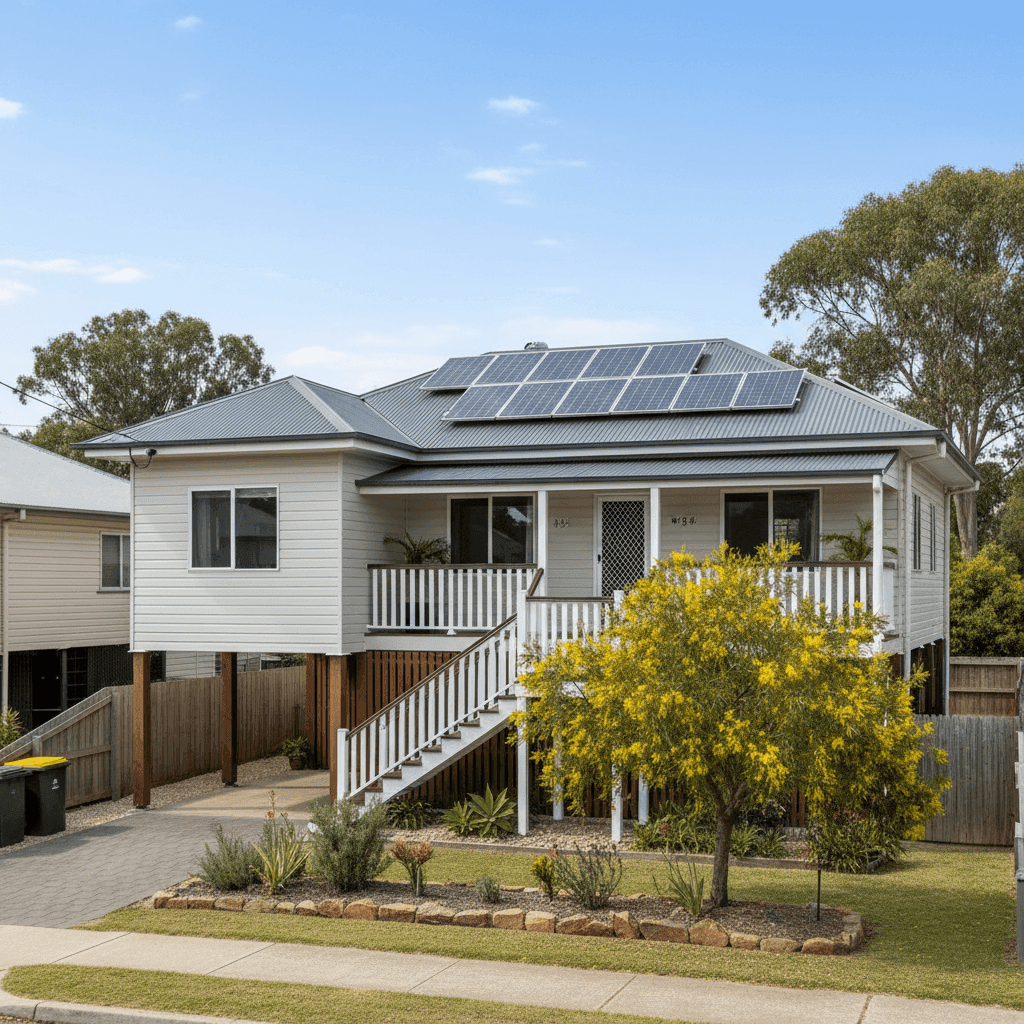
If you own a free standing home in Charlestown, NSW 2290, you're likely no stranger to the challenge of finding competitive home insurance. Nestled in the Lake Macquarie local government area, Charlestown is a well-established suburb with a mix of older character homes and modern renovations — and that history can have a real impact on what you pay to protect your property. In this article, we analyse a recent home and contents insurance quote for a 3-bedroom, 1-bathroom free standing home in the area, break down whether the price stacks up, and offer practical advice for local homeowners looking to get better value.
---
Is This Quote Fair?
The quote in question comes in at $5,811 per year (or $557/month) for combined home and contents cover, with a building sum insured of $857,000 and contents valued at $60,000. Both the building and contents excesses are set at $1,000.
Our price rating for this quote is Expensive — above average for the Charlestown area.
To put that in perspective: the suburb average annual premium sits at just $2,409, and the median is $2,451. That means this quote is more than double what most Charlestown homeowners are paying. Even at the 75th percentile — where only one in four quotes is more expensive — the figure is $3,240/yr, still well below the $5,811 on the table here.
So what's driving the higher cost? A combination of factors tied to the property itself — including its age, construction type, elevated foundation, and the relatively high building sum insured — are likely contributing. We'll unpack those in detail below.
---
How Charlestown Compares
Understanding where your premium sits relative to broader benchmarks is a useful sanity check. Here's how Charlestown stacks up:
| Benchmark | Average Premium | Median Premium |
|---|---|---|
| Charlestown (2290) | $2,409/yr | $2,451/yr |
| NSW (State) | $9,528/yr | $3,770/yr |
| National | $5,347/yr | $2,764/yr |
| Lake Macquarie LGA | $11,064/yr | — |
A few things stand out here. The NSW state average of $9,528 is dramatically higher than the state median of $3,770 — a clear sign that a relatively small number of high-risk or high-value properties are pulling the average up significantly. The same pattern holds nationally, where the average ($5,347) is nearly double the median ($2,764).
Charlestown's suburb averages are notably lower than both state and national figures, suggesting it's generally considered a moderate-risk area. This makes the $5,811 quote all the more worth scrutinising — it sits above the national average and is more than double the local suburb average.
You can explore the full breakdown of Charlestown insurance statistics, compare against NSW state-wide data, or view national home insurance benchmarks to see where your own situation fits.
---
Property Features That Affect Your Premium
Several characteristics of this property are worth examining through an insurer's lens:
Age of Construction (1953)
Homes built in the early 1950s come with charm — and complexity. Older properties can present higher risk for insurers due to ageing electrical wiring, plumbing systems, and structural components that may not meet current building codes. Replacement costs also tend to be higher, as materials and labour for period-style construction are more expensive.
Vinyl Cladding External Walls
Vinyl cladding is a common exterior finish on older and renovated Australian homes. While it's relatively low-maintenance, some insurers view it as a moderate-risk material compared to brick veneer or double brick, particularly when assessing fire resistance and structural resilience.
Elevated on Stumps (At Least 1 Metre)
Being elevated on stumps — a classic feature of older Australian homes — can actually work in your favour in flood-prone areas by reducing inundation risk. However, it can also increase rebuilding costs due to the additional structural complexity, and some insurers factor this into their pricing.
Steel/Colorbond Roof
A Colorbond roof is generally viewed favourably by insurers. It's durable, low-maintenance, and performs well in extreme weather. This is one feature that likely keeps the premium from being even higher.
Solar Panels
The presence of solar panels adds to the insured value of the property and introduces some additional risk considerations (e.g., storm or hail damage to panels). Homeowners should confirm with their insurer that solar panels are explicitly covered under their policy.
Ducted Climate Control
Ducted systems represent a significant investment and are typically covered under building insurance. Their inclusion can contribute to a higher sum insured, which in turn affects the premium.
Building Sum Insured: $857,000
This is a substantial sum insured for a 160 sqm home, and it's one of the most significant drivers of the premium. While it's important to be adequately insured — underinsurance is a serious risk — it's worth reviewing whether this figure accurately reflects the current rebuilding cost (not the market value) of the home. An independent building valuation can help ensure you're not over-insured.
---
Tips for Homeowners in Charlestown
1. Review Your Sum Insured Carefully
The building sum insured should reflect the cost to rebuild your home from scratch — not its market value or what you paid for it. For a 160 sqm home, $857,000 is on the higher end. Consider using a professional quantity surveyor or an online rebuild cost calculator to validate this figure. Being over-insured means you're paying more premium than necessary.
2. Compare Multiple Quotes
With only 45 quotes in our Charlestown sample, there's meaningful variation in what different insurers will charge for similar properties. Getting a fresh quote through CoverClub takes just a few minutes and could reveal significantly cheaper options for the same level of cover.
3. Check What's Covered for Solar Panels and Ducted Systems
Not all policies automatically cover solar panels or ducted air conditioning as standard inclusions. Read the Product Disclosure Statement (PDS) carefully to confirm these items are listed — and that the coverage limits are sufficient to replace them at current prices.
4. Consider a Higher Excess to Lower Your Premium
Both the building and contents excesses on this quote are set at $1,000. Opting for a higher voluntary excess (say, $2,000 or $2,500) can reduce your annual premium noticeably. Just make sure the excess is an amount you could comfortably pay out of pocket if you needed to make a claim.
---
Ready to Find a Better Deal?
If you're a Charlestown homeowner and your current premium feels steep, you're not alone — and you don't have to accept the first quote you receive. CoverClub makes it easy to compare home and contents insurance options side by side, so you can find cover that suits your property without overpaying.
Get a home insurance quote today at CoverClub and see how much you could save.