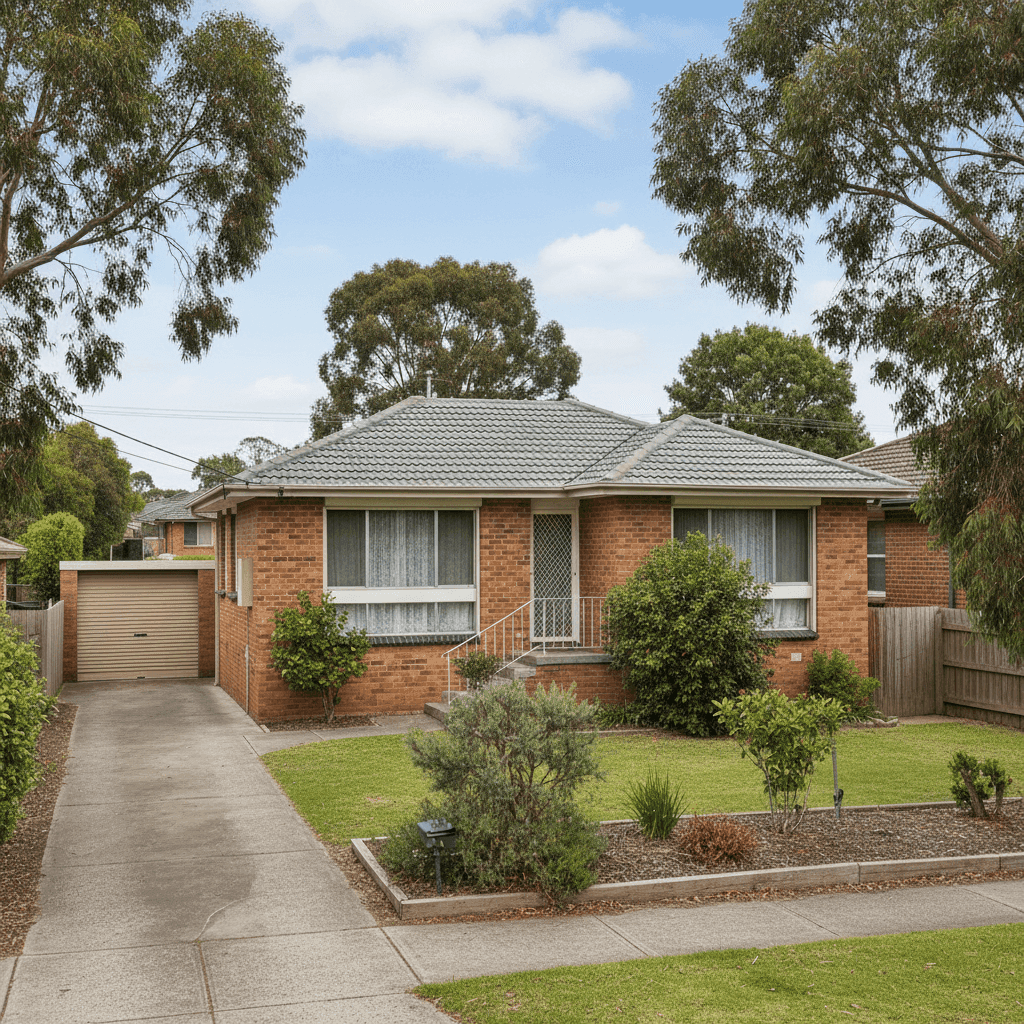
Chelsea is a laid-back bayside suburb in Melbourne's south-east, known for its surf beach, relaxed lifestyle, and a mix of older homes sitting comfortably alongside newer developments. If you own a free standing home here, understanding what you should be paying for home and contents insurance — and why — can save you hundreds of dollars a year. This article breaks down a real insurance quote for a 2-bedroom, 1-bathroom brick veneer home in Chelsea (VIC 3196), compares it against local, state, and national benchmarks, and offers practical tips to help you get the best value cover.
---
Is This Quote Fair?
The annual premium for this property came in at $1,770 per year (or $163/month), covering both building (sum insured: $375,000) and contents ($110,000), each with a $1,000 excess.
Our price rating for this quote is FAIR — Around Average.
To put that in context:
- The suburb average for Chelsea (3196) is $2,005/yr, and the median sits at $1,803/yr
- This quote falls below both the suburb average and median, placing it comfortably within the lower half of what Chelsea homeowners typically pay
- It sits between the 25th percentile ($1,588/yr) and the 75th percentile ($2,485/yr) for the suburb — meaning it's solidly mid-range, not a bargain basement price but certainly not overpriced
So while "Fair" might sound underwhelming, in practice this quote is performing well relative to what most Chelsea residents are paying. You're not getting gouged, but there may still be room to do better with a comparison.
---
How Chelsea Compares to the Rest of Victoria and Australia
One of the most useful things you can do when evaluating any insurance quote is zoom out and look at the bigger picture. Here's how Chelsea stacks up:
| Benchmark | Average Premium | Median Premium |
|---|---|---|
| Chelsea (3196) | $2,005/yr | $1,803/yr |
| Kingston LGA (Vic.) | $3,103/yr | — |
| Victoria | $3,000/yr | $2,718/yr |
| National | $5,347/yr | $2,764/yr |
Chelsea homeowners are in a genuinely fortunate position. The suburb's average premium of $2,005 is well below the Victorian average of $3,000 and dramatically lower than the national average of $5,347 — a figure heavily skewed by high-risk areas in Queensland, Western Australia, and the Northern Territory prone to cyclones, floods, and bushfires.
Even compared to the broader Kingston LGA average of $3,103, Chelsea comes out significantly cheaper. This reflects the suburb's relatively low exposure to catastrophic weather events — it's not in a cyclone zone, and while coastal, it doesn't carry the same flood or bushfire risk loading that pushes premiums sky-high elsewhere in the country.
You can explore the full data for your area on the Chelsea suburb stats page, compare it against Victoria-wide insurance data, or see how it measures up on the national insurance stats page.
> Note: The suburb sample for Chelsea includes 17 quotes, which provides a reasonable snapshot but is a relatively small dataset. Averages can shift as more data is collected.
---
Property Features That Affect Your Premium
Every property is different, and insurers price risk based on a detailed combination of construction materials, location factors, and home features. Here's how the characteristics of this particular Chelsea home influence what it costs to insure:
Brick Veneer Walls & Concrete Roof
Brick veneer is one of the most common wall types in Australian suburban homes built from the 1970s onwards, and it's generally viewed favourably by insurers. It's durable, fire-resistant, and relatively low-maintenance. The concrete tile roof similarly signals longevity and resistance to weather damage — a meaningful factor compared to older corrugated iron or timber-framed alternatives.
Built in 1980
At over 40 years old, this home is entering the age bracket where insurers start paying closer attention to the condition of plumbing, electrical systems, and roofing. While the construction materials are solid, older homes can carry higher risk of water damage from ageing pipes or storm damage from roofs that haven't been recently maintained. Keeping up with maintenance and being transparent with your insurer about the home's condition is important.
Slab Foundation & Tile Flooring
A concrete slab foundation is standard for many homes of this era and generally presents minimal additional risk. Combined with tile flooring throughout, the property has good resistance to water damage compared to homes with timber floors or raised subfloors — a small but meaningful factor when it comes to claims for water ingress or burst pipes.
Elevated by Less Than 1 Metre
The home is slightly elevated, which can offer a modest buffer against surface water flooding. It's not dramatically raised, but even a small elevation can reduce the risk of water entering the home during heavy rainfall events — something that matters in coastal suburbs like Chelsea.
Ducted Climate Control
The presence of ducted heating and cooling adds to the contents and building value, and insurers factor in the replacement cost of these systems. It's worth ensuring your sum insured accurately reflects the cost of replacing this infrastructure, as it can be expensive to repair or reinstall.
No Pool, No Solar Panels, Not in a Cyclone Zone
The absence of a pool removes a common liability risk. No solar panels means no additional complexity around roof penetrations or electrical systems. And being outside a designated cyclone risk area keeps the premium from attracting the significant loadings that affect properties in northern Australia.
---
Tips for Homeowners in Chelsea
1. Review Your Sum Insured Annually
Building costs have risen sharply across Australia in recent years due to labour shortages and material price increases. A sum insured of $375,000 for 139 sqm may be appropriate today, but it's worth rechecking against a building cost calculator each year to make sure you're not underinsured. Rebuilding costs in Melbourne's south-east have climbed considerably.
2. Consider a Higher Excess to Lower Your Premium
Both the building and contents excess on this policy sit at $1,000. If you have a financial buffer and rarely make small claims, opting for a higher excess (say, $2,000 or $2,500) can meaningfully reduce your annual premium. Just make sure the saving outweighs the increased out-of-pocket cost if you do need to claim.
3. Don't Auto-Renew Without Comparing
It's tempting to simply let your policy roll over each year, but insurers often reserve their best rates for new customers. Even if your current quote is fair, running a comparison at renewal time takes minutes and could reveal a significantly cheaper option for equivalent cover. Get a fresh quote at CoverClub to see what else is available in your area.
4. Maintain the Home to Protect Your Cover
For a home built in 1980, staying on top of maintenance isn't just good practice — it can directly affect your ability to make a successful claim. Insurers can decline claims where damage is attributable to wear and tear or lack of maintenance. Regularly checking your roof, gutters, and plumbing goes a long way.
---
Compare Your Options with CoverClub
Whether you're buying insurance for the first time or coming up for renewal, comparing quotes is the single most effective way to make sure you're not paying more than you need to. CoverClub makes it easy to see what home and contents insurance actually costs for properties like yours in Chelsea and across Australia.
Start comparing home insurance quotes today — it only takes a few minutes, and you might be surprised at the difference a comparison can make.