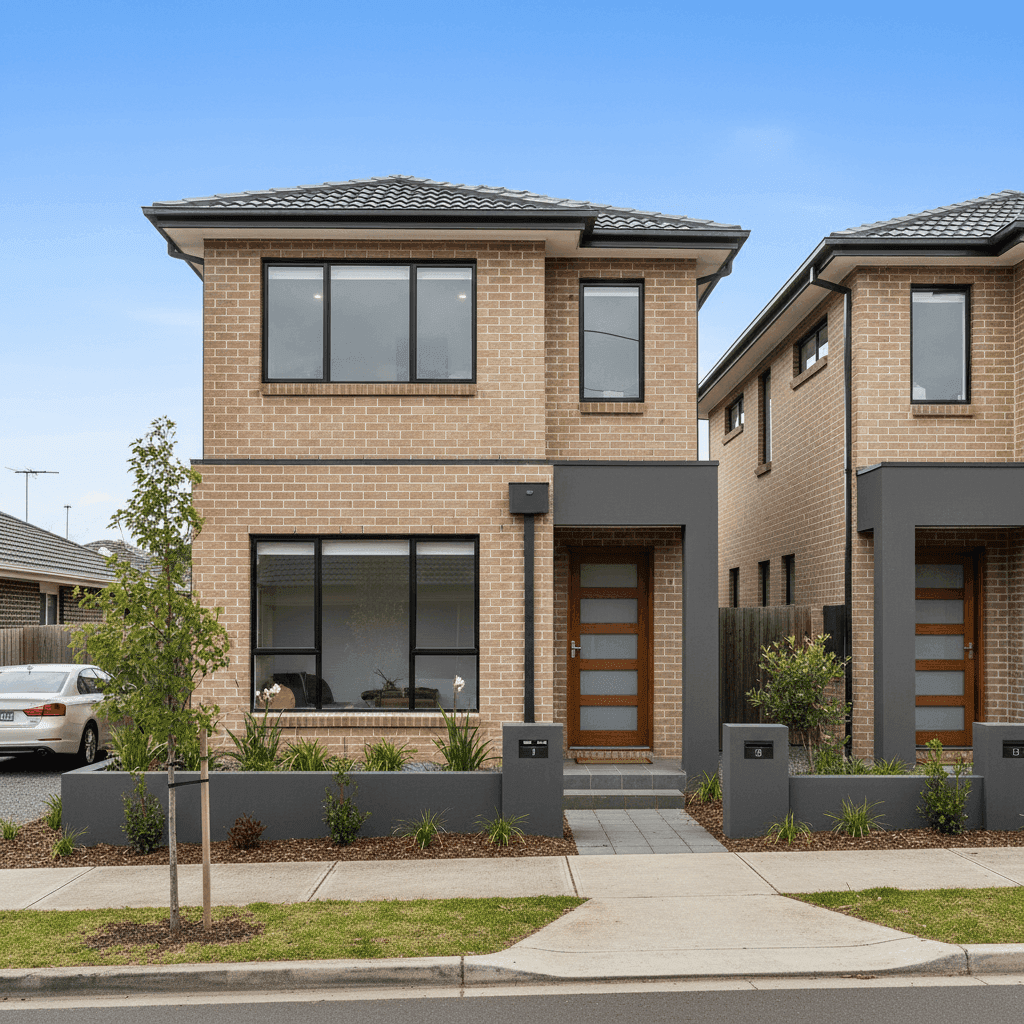
If you own or are looking to insure a townhouse in Cheltenham, VIC 3192, you're probably wondering whether you're paying a fair price for your home and contents cover. In this article, we break down a real insurance quote for a 2-bedroom, 2-bathroom townhouse in this popular Bayside suburb — and compare it against what other homeowners in the area, across Victoria, and around the country are typically paying.
---
Is This Quote Fair?
The quote in question comes in at $874 per year (or around $89 per month) for combined home and contents insurance, covering a building sum insured of $483,000 and contents valued at $101,000. Our price rating for this quote? Cheap — well below average.
To put that in perspective, the average home and contents premium among the 38 quotes we've collected for Cheltenham sits at $1,721 per year, with a median of $1,704. Even the cheapest quarter of quotes in the suburb (the 25th percentile) comes in at $1,358 per year — still more than 55% higher than this quote.
At $874, this homeowner is paying significantly less than the typical Cheltenham resident for comparable cover. That's a meaningful saving — roughly $847 per year compared to the suburb average, or about $70 a month back in the pocket.
Of course, a lower premium isn't always the full story. It's worth checking the policy's excess structure, inclusions, and exclusions carefully. This particular quote carries a $3,000 building excess and a $1,000 contents excess, which is on the higher side and helps explain part of the premium reduction. Higher excesses mean you'll pay more out of pocket if you do need to make a claim, so it's important to weigh that trade-off.
---
How Cheltenham Compares
Cheltenham sits in the City of Bayside, one of Melbourne's most sought-after council areas. From an insurance pricing perspective, it's a relatively affordable suburb compared to broader benchmarks.
Here's how the numbers stack up:
| Benchmark | Average Premium | Median Premium |
|---|---|---|
| Cheltenham (3192) | $1,721/yr | $1,704/yr |
| Bayside LGA (Vic.) | $2,625/yr | — |
| Victoria | $3,000/yr | $2,718/yr |
| National | $5,347/yr | $2,764/yr |
Cheltenham's suburb average of $1,721 is notably lower than the Victorian state average of $3,000/yr and well below the national average of $5,347/yr. The national average is heavily influenced by high-risk regions like Far North Queensland, which face elevated cyclone and flood exposure — so it's not always the most useful comparison for a Melbourne suburb.
What's more telling is the comparison with the broader Bayside LGA average of $2,625/yr. Cheltenham comes in around $900 cheaper than the LGA average, suggesting it's one of the more competitively priced pockets within Bayside. This likely reflects lower flood and storm risk relative to some neighbouring suburbs closer to the bay.
You can explore the full breakdown of Cheltenham insurance statistics here.
---
Property Features That Affect Your Premium
Several characteristics of this particular townhouse work in the homeowner's favour from a risk — and therefore pricing — perspective.
Construction quality and age Built in 2019, this is a relatively modern property. Newer builds typically comply with updated building codes, including improved structural standards, better waterproofing, and more fire-resistant materials. Insurers generally view newer homes as lower risk, which can translate to lower premiums.
Brick veneer walls and tiled roof The combination of brick veneer external walls and a tiled roof is considered a standard, low-risk construction type in Australia. Brick veneer offers solid weather resistance and durability, while tiles are a proven roofing material that performs well in Melbourne's variable climate. Both materials are widely used and well-understood by insurers, which helps keep premiums competitive.
Slab foundation A concrete slab foundation is the most common foundation type in modern Victorian construction. It's generally regarded as stable and low-maintenance, with no underfloor cavity to worry about — reducing the risk of subsidence-related claims.
Timber and laminate flooring While timber and laminate floors add aesthetic value, they can be more susceptible to water damage than tiles. This is a minor risk factor for contents and building claims, though it's unlikely to significantly move the needle on premiums for a well-built modern townhouse.
No pool, no solar, no cyclone risk The absence of a swimming pool removes a common source of liability and structural claims. No solar panels means no additional roof penetration or electrical risk to price in. And being well outside any cyclone risk zone, this property avoids one of the biggest premium drivers seen in northern Australia.
135 sqm building size At 135 square metres, this is a compact but well-sized townhouse. Smaller floor areas generally mean lower rebuild costs, which supports a more modest building sum insured — and in turn, a lower premium.
---
Tips for Homeowners in Cheltenham
1. Review your building sum insured regularly The $483,000 building sum insured on this quote should reflect the full cost to rebuild — not the market value of the property. Construction costs have risen significantly in recent years, so it's worth revisiting your sum insured annually to make sure you're not underinsured. Use a building cost calculator or speak with a quantity surveyor if you're unsure.
2. Weigh up your excess carefully The $3,000 building excess on this policy is higher than average. While it contributes to a lower premium, it means you'd need to fund the first $3,000 of any building claim yourself. Consider whether that level of out-of-pocket exposure is comfortable for your financial situation — or whether a slightly higher premium with a lower excess might be a better fit.
3. Don't set and forget your contents value At $101,000, the contents cover here needs to genuinely reflect the replacement value of everything inside the home — furniture, appliances, clothing, electronics, and more. Many homeowners underestimate their contents. Do a room-by-room audit every year or two to make sure your coverage keeps pace with what you own.
4. Compare quotes before renewing Even if you're already on a competitive premium, insurers regularly reprice their books. What's cheap today may not be the best deal at renewal time. Running a fresh comparison before your policy renews — especially through a platform like CoverClub — takes just a few minutes and could save you hundreds.
---
Compare Your Own Quote
Whether you're a first-time buyer or a long-time Cheltenham resident, it pays to know what you should be paying for home and contents insurance. The quote analysed here is a strong example of what's achievable — but every property is different, and your premium will depend on your specific risk profile, chosen insurer, and level of cover.
[Get a home insurance quote at CoverClub](https://coverclub.com.au/?focus=address) and see how your premium stacks up against your neighbours. It's free, fast, and gives you real data to make a confident decision.