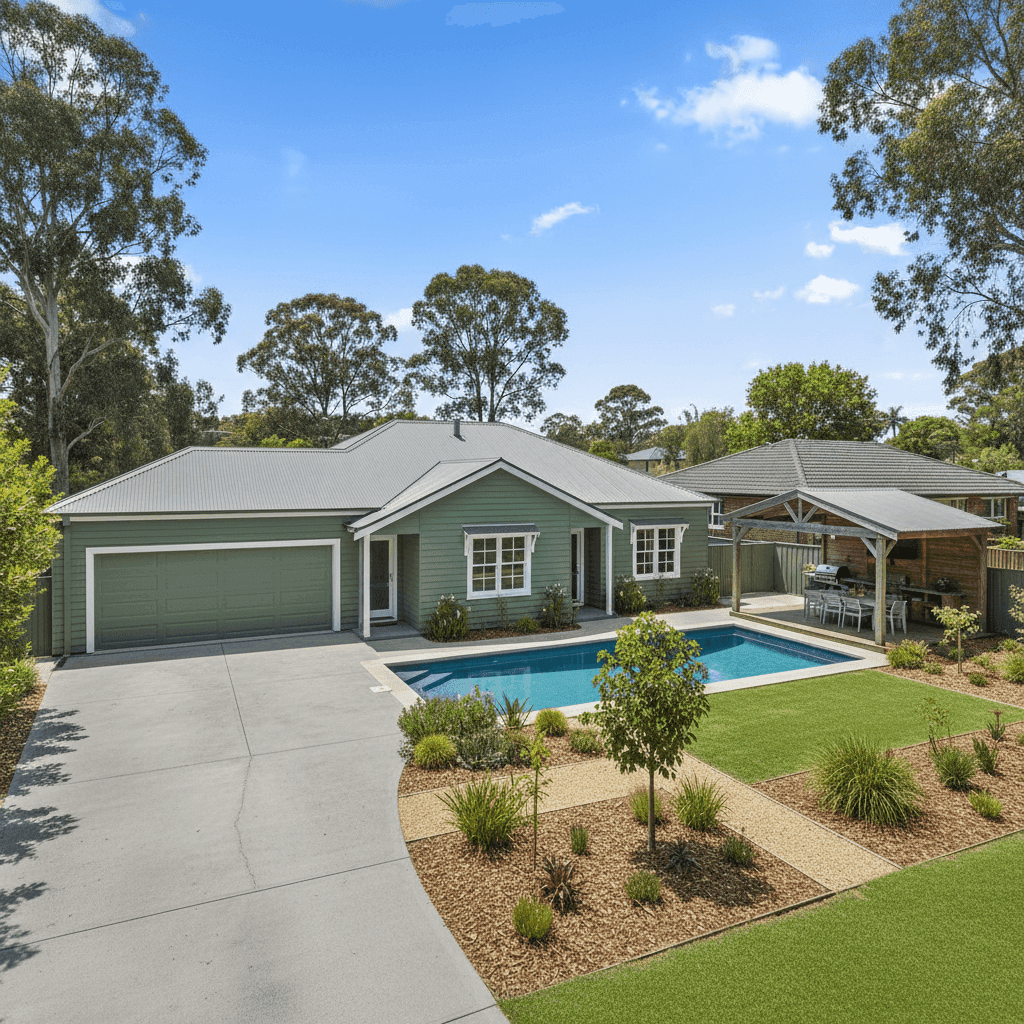
If you own a free standing home in Cheltenham, VIC 3192, you're likely paying close attention to rising insurance costs. This article breaks down a real home and contents insurance quote for a four-bedroom, two-bathroom weatherboard property in the suburb — and puts it into context against local, state, and national benchmarks so you can judge whether your own premium stacks up.
---
Is This Quote Fair?
The quote in question comes in at $2,070 per year (or $212 per month) for combined home and contents cover, with a building sum insured of $860,000 and contents valued at $100,000. The building excess is $3,000 and the contents excess is $1,000.
Our price rating for this quote is Expensive (Above Average).
To put that in perspective: the average home and contents premium across Cheltenham sits at $1,721 per year, with a median of $1,704. This quote is roughly $349 above the suburb average — placing it above the 75th percentile of quotes we've seen in the area (which sits at $1,970/yr). In other words, fewer than 25% of comparable properties in Cheltenham are paying more than this.
That said, "expensive" is relative. A premium that looks high on the surface can be entirely justified once you factor in the specific characteristics of the property — more on that below.
---
How Cheltenham Compares
It's worth zooming out to understand where Cheltenham sits in the broader insurance landscape.
| Benchmark | Average Premium |
|---|---|
| Cheltenham (suburb) | $1,721/yr |
| Bayside LGA | $2,625/yr |
| Victoria (state) | $3,000/yr |
| National average | $5,347/yr |
A few things stand out here. First, Cheltenham is notably cheaper than the Bayside LGA average of $2,625 — which includes suburbs closer to the coast or with higher flood and storm exposure. Second, Victorian premiums ($3,000/yr average) run well above the Cheltenham suburb average, suggesting the suburb enjoys relatively favourable risk conditions compared to much of the state.
At a national level, the contrast is even starker. Australia's national average premium of $5,347 reflects the outsized impact of high-risk regions — particularly cyclone-prone areas in Queensland and the Northern Territory, as well as flood-affected zones in NSW and Victoria. Cheltenham, sitting in Melbourne's south-eastern suburbs, benefits from a comparatively benign risk profile.
You can explore the full breakdown of local premiums on the Cheltenham suburb stats page, compare against all of Victoria, or see how the suburb measures up on the national stats page.
---
Property Features That Affect Your Premium
Not all homes are created equal in the eyes of an insurer. Several characteristics of this particular property are likely influencing the premium upward.
Age and Construction (Built 1953)
Homes built in the 1950s are common throughout Cheltenham's established streetscapes, but their age introduces complexity for insurers. Older homes may have ageing electrical wiring, plumbing, and structural elements that increase the likelihood of claims. Rebuilding a period home can also be costlier due to the need to match original materials and comply with current building codes simultaneously.
Weatherboard Timber Walls
Weatherboard construction is charming and quintessentially Australian, but it carries a higher fire risk than brick veneer or double brick. Insurers typically apply a loading to timber-clad homes, which contributes to a higher base premium.
Stump Foundation
This property sits on stumps — a traditional foundation type common in older Melbourne homes. While stumps can be durable, they introduce risk of movement, subsidence, or deterioration over time, all of which insurers factor into their pricing.
Swimming Pool
A pool adds value to a property but also adds liability and maintenance risk. Insurers may apply a modest loading for homes with pools, particularly when considering public liability cover included in most home and contents policies.
Ducted Climate Control
The presence of ducted heating and cooling is a positive signal for insurers in some respects (it suggests a well-maintained home), but it also increases the replacement cost of the building — which is reflected in the $860,000 sum insured and, by extension, the premium.
High Sum Insured
At $860,000, the building sum insured is substantial. This reflects the cost to fully rebuild a 244 sqm home in Melbourne's current construction environment, where labour and materials costs have risen sharply in recent years. A higher sum insured directly drives a higher premium.
---
Tips for Homeowners in Cheltenham
Whether you're reviewing an existing policy or shopping for a new one, here are four practical steps to help manage your home insurance costs.
1. Review your sum insured annually Construction costs fluctuate, and being over-insured is just as problematic as being under-insured (you're paying for coverage you don't need). Use a building cost calculator to check whether your sum insured reflects current rebuild costs — not the market value of your property.
2. Consider a higher excess to lower your premium This quote carries a $3,000 building excess. If you have savings to cover a higher excess in the event of a claim, opting for a $5,000 or even $10,000 excess can meaningfully reduce your annual premium. Just make sure the trade-off makes financial sense for your situation.
3. Maintain your weatherboard cladding Insurers may ask about the condition of your home's exterior. Keeping your weatherboards painted, sealed, and free from rot not only protects the structure but demonstrates to insurers that the home is well maintained — which can work in your favour at renewal.
4. Shop around — every year Loyalty doesn't always pay in home insurance. Premiums can vary significantly between providers for the same property and cover level. With 38 quotes collected in Cheltenham alone, CoverClub's comparison tool makes it easy to see what others are paying and find a more competitive rate.
---
Compare Your Home Insurance Quote Today
If you're a homeowner in Cheltenham — or anywhere in Australia — it pays to know whether your premium is competitive. CoverClub aggregates real quote data so you can benchmark your policy against what your neighbours are actually paying. Get a quote now and find out whether you're getting a fair deal.