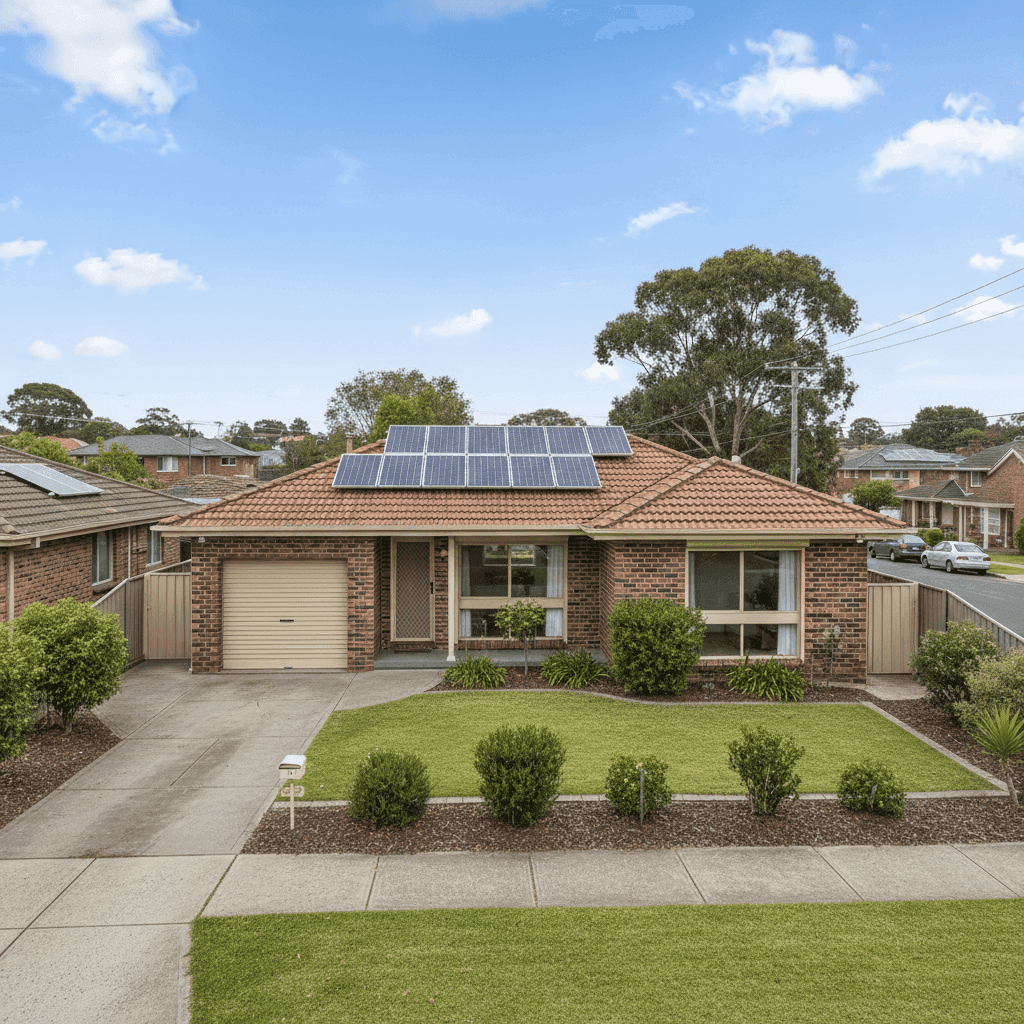
A four-bedroom, three-bathroom free standing home in Chester Hill, NSW 2162 is a solid family property — and making sure it's properly protected is just as important as the bricks and mortar it's built from. This article breaks down a real home and contents insurance quote for exactly this type of property, compares it against local, state and national benchmarks, and offers practical tips to help Chester Hill homeowners get the best value cover.
---
Is This Quote Fair?
The annual premium for this quote comes in at $1,109 per year (or $109/month), covering both building (insured to $380,000) and contents ($50,000). Our price rating for this quote is CHEAP — below average for the area.
To put that in context: the suburb average for Chester Hill sits at $1,527/year, with a median of $1,352/year. This quote lands below even the 25th percentile of $1,143/year — meaning it's cheaper than approximately 75% of quotes we've seen for comparable properties in the 2162 postcode.
That's a genuinely competitive result. For a property of this size and age — a 1966-built brick veneer home on a slab — premiums can vary widely depending on the insurer, the level of cover, and how the risk profile is assessed. A building excess of $3,000 does contribute to keeping the premium lower (higher excesses typically reduce upfront costs), while the contents excess of $500 is fairly standard.
The bottom line: this quote represents strong value for homeowners in Chester Hill, particularly given the breadth of cover included.
---
How Chester Hill Compares
Understanding where Chester Hill sits in the broader insurance landscape helps put any quote into perspective.
| Benchmark | Average Premium | Median Premium |
|---|---|---|
| Chester Hill (2162) | $1,527/yr | $1,352/yr |
| Cumberland LGA | $1,792/yr | — |
| NSW State | $3,801/yr | $3,410/yr |
| National | $2,965/yr | $2,716/yr |
Chester Hill homeowners are paying significantly less than both the NSW state average and the national average — in some cases less than half. The NSW state average of $3,801/year is heavily influenced by high-risk coastal and flood-prone areas, as well as premium inner-city properties. Meanwhile, the national average of $2,965/year reflects a wide range of property types and risk zones across Australia.
Within the Cumberland LGA, the average of $1,792/year is notably higher than Chester Hill's own suburb average of $1,527/year, suggesting that Chester Hill is one of the more affordable pockets within the local government area.
This quote, at $1,109/year, sits well below every benchmark listed above — a strong outcome by any measure.
---
Property Features That Affect Your Premium
Several characteristics of this property directly influence how insurers price the risk. Here's what matters most:
Brick Veneer Walls & Tiled Roof
Brick veneer is one of the most common construction types in suburban Sydney, and insurers generally view it favourably. It offers good fire resistance and structural durability. Combined with a tiled roof — another well-regarded material in terms of longevity and weather performance — this property sits in a lower risk category compared to, say, a weatherboard home with a corrugated iron roof.
Slab Foundation
A concrete slab foundation is standard for homes of this era and region. It's a stable base that insurers are comfortable with, and it doesn't carry the same concerns as older pier-and-beam foundations, which can be more susceptible to movement and moisture issues.
Construction Year: 1966
Older homes can sometimes attract higher premiums due to ageing infrastructure — plumbing, wiring, and roofing all degrade over time. A 1966-built home is now approaching 60 years old, so insurers may factor in a slightly elevated risk of structural or services-related claims. Keeping on top of maintenance is key (more on that below).
Solar Panels
This property has solar panels installed, which is an increasingly common feature across Australian homes. Some insurers include solar panels under building cover automatically; others may treat them as an optional add-on. It's worth confirming with your insurer that your panels are explicitly covered under your policy, including for damage from storms or hail.
Ducted Climate Control
Ducted air conditioning is a significant fixed asset and is typically covered under building insurance rather than contents. Its presence can slightly increase the replacement cost of the home, which is already reflected in the $380,000 sum insured.
Standard Fittings
With standard-quality fittings throughout, this property avoids the premium uplift that often comes with high-end fixtures, custom joinery, or luxury finishes. This keeps the replacement cost — and therefore the premium — more manageable.
---
Tips for Homeowners in Chester Hill
1. Review Your Sum Insured Regularly
Building costs have risen sharply across NSW in recent years. A sum insured of $380,000 for a 143 sqm home should be reviewed annually to ensure it still reflects the true cost of rebuilding — not just the market value of the land. Underinsurance is one of the most common and costly mistakes homeowners make.
2. Confirm Solar Panel Coverage
As mentioned above, solar panels are a valuable asset that not all standard policies cover as a default. Check your Product Disclosure Statement (PDS) to confirm they're included, and make sure the insured value accounts for a full system replacement.
3. Maintain the Property to Reduce Claim Risk
Given the home's age, proactive maintenance goes a long way — both in preventing claims and in demonstrating to insurers that the property is well cared for. Pay particular attention to the roof (re-pointing tiles, clearing gutters), plumbing, and electrical systems. Some insurers may decline claims if damage is attributed to gradual deterioration rather than a sudden event.
4. Compare Quotes Before Renewing
Even with a competitive quote like this one, it's worth shopping around at renewal time. Insurers adjust their pricing models regularly, and loyalty doesn't always pay. Use CoverClub to compare quotes for your Chester Hill property and make sure you're still getting the best deal year after year.
---
Get a Quote for Your Chester Hill Home
Whether you're a first-time buyer or a long-term homeowner in Chester Hill, comparing quotes is the smartest way to make sure you're not overpaying for cover. CoverClub makes it easy to see how your premium stacks up against your neighbours and the broader market — and to find a policy that fits your needs and budget.
Compare home insurance quotes for Chester Hill now →
You can also explore detailed suburb-level insurance data for Chester Hill (2162), NSW, and nationally to better understand what's driving premiums in your area.