Chipping Norton is a well-established suburb in Sydney's south-west, sitting within the Fairfield Local Government Area and bordered by the Georges River. It's a popular choice for families, thanks to its leafy streets, lakeside parklands, and good transport links into the CBD. For owners of free standing homes in the area, understanding what drives home insurance costs — and whether a given quote is competitive — can make a real difference to the household budget.
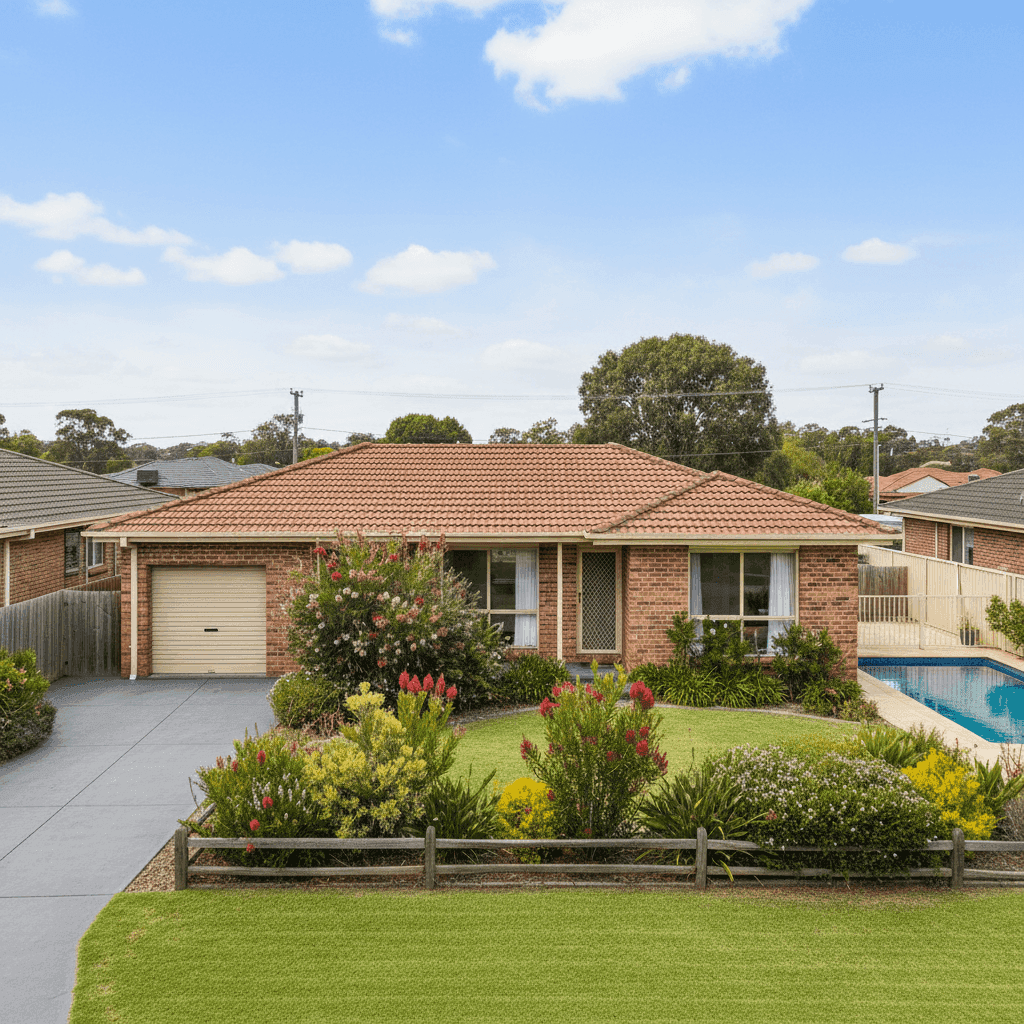
This article breaks down a recent Home and Contents insurance quote for a four-bedroom, three-bathroom free standing home in Chipping Norton (postcode 2170), built in 1989 with brick veneer walls, a tiled roof, and a slab foundation. The property sits at 214 sqm, includes a swimming pool, ducted climate control, and standard-quality fittings. We'll assess whether the quoted premium represents fair value and share some practical tips for homeowners looking to get a better deal.
---
Is This Quote Fair?
The annual premium quoted for this property is $9,371 per year (or $898/month), with a $1,000 excess on both building and contents. The building is insured for $671,000 and contents for $150,000.
Based on our pricing data, this quote is rated Expensive — above average for the area. That's a meaningful flag worth examining more closely.
To put it in perspective, the suburb average for Chipping Norton sits at $4,633/year, and the median is considerably lower at $2,242/year. The quote in question is more than double the suburb average and more than four times the suburb median. Even at the 75th percentile — meaning 75% of quotes in the area come in cheaper — the figure is $6,197/year, still well below this premium.
While it's true that no two properties are identical and individual risk factors vary, a premium this far above local benchmarks is a strong signal that homeowners should shop around before committing. There may be room to negotiate a better rate or find a comparable policy at a significantly lower price point.
---
How Chipping Norton Compares
It's worth zooming out to understand the broader pricing landscape. Here's how this quote stacks up across different geographic comparisons:
| Benchmark | Average Premium | Median Premium |
|---|---|---|
| Chipping Norton (2170) | $4,633/yr | $2,242/yr |
| LGA (Fairfield) | $2,137/yr | — |
| NSW | $9,528/yr | $3,770/yr |
| National | $5,347/yr | $2,764/yr |
A few things stand out here. The NSW state average is notably high at $9,528/year — one of the more expensive states in the country for home insurance — which means this quote, while expensive locally, is actually just under the state average. That context matters: NSW homeowners broadly face elevated premiums compared to the rest of Australia, partly due to flood and storm risk in many parts of the state.
Interestingly, the Fairfield LGA average of $2,137/year is considerably lower than the Chipping Norton suburb average, suggesting that premium variation within the LGA can be significant depending on specific property characteristics and risk profiles.
You can explore more detailed pricing data for this area at the Chipping Norton suburb stats page, compare it against the NSW state overview, or see how it measures up against national home insurance benchmarks.
---
Property Features That Affect Your Premium
Several characteristics of this property are likely influencing the premium, both up and down.
Brick veneer construction and tiled roof are generally viewed favourably by insurers. These materials are durable, fire-resistant, and less susceptible to storm damage than alternatives like weatherboard or Colorbond. This combination typically attracts lower risk ratings and, in turn, more competitive premiums.
Slab foundation is also a neutral-to-positive factor in most insurer assessments. Slab homes don't have the underfloor moisture risks associated with raised stumped foundations, which can reduce certain claim types.
The swimming pool, however, is a notable premium driver. Pools increase liability exposure — they're a source of potential injury claims — and also add to the overall replacement value of the property. Insurers factor this in when calculating your building sum insured and overall risk profile.
Ducted climate control adds to the contents and building value. These systems are expensive to repair or replace, and their presence can nudge premiums upward, particularly if they're included in the building sum insured.
The property's age (built 1989) places it in a mid-range risk bracket. At 35+ years old, there's a higher likelihood of ageing plumbing, electrical systems, and roofing components compared to a newer build, which some insurers price accordingly.
The building sum insured of $671,000 for a 214 sqm home works out to roughly $3,135 per sqm — which is on the higher end for a standard-quality finish. It's worth reviewing whether your sum insured accurately reflects current rebuild costs in your area, as both over-insuring and under-insuring carry their own risks.
---
Tips for Homeowners in Chipping Norton
1. Get multiple quotes before renewing The most effective way to reduce your premium is to compare. With this quote sitting well above local medians, there's a real chance that another insurer — offering equivalent coverage — could come in significantly cheaper. Use CoverClub to compare quotes and see what's available for your specific property.
2. Review your sum insured carefully Make sure your building sum insured reflects the actual cost to rebuild your home from scratch — not its market value. Tools like the Cordell Sum Sure calculator can help you arrive at a more accurate figure. Over-insuring means you're paying more in premiums than necessary; under-insuring means you could be left short after a major claim.
3. Consider your excess options A $1,000 excess is fairly standard, but many insurers offer a discount if you're willing to take on a higher excess (e.g., $2,000 or $2,500). If you have the financial buffer to cover a larger out-of-pocket cost in the event of a claim, this can be a smart way to reduce your annual premium.
4. Ask about pool and security discounts Some insurers offer discounts for homes with compliant pool fencing (meeting Australian Standard AS 1926) or security features like alarm systems and deadbolts. If your pool fence is up to standard and your home has monitored security, make sure your insurer knows — it could work in your favour.
---
Ready to Find a Better Deal?
If your current quote feels steep, you're not alone — and the data suggests there may be better options available. CoverClub makes it easy to compare home and contents insurance quotes tailored to your property in Chipping Norton. Get started with a free quote comparison today and see how much you could save.