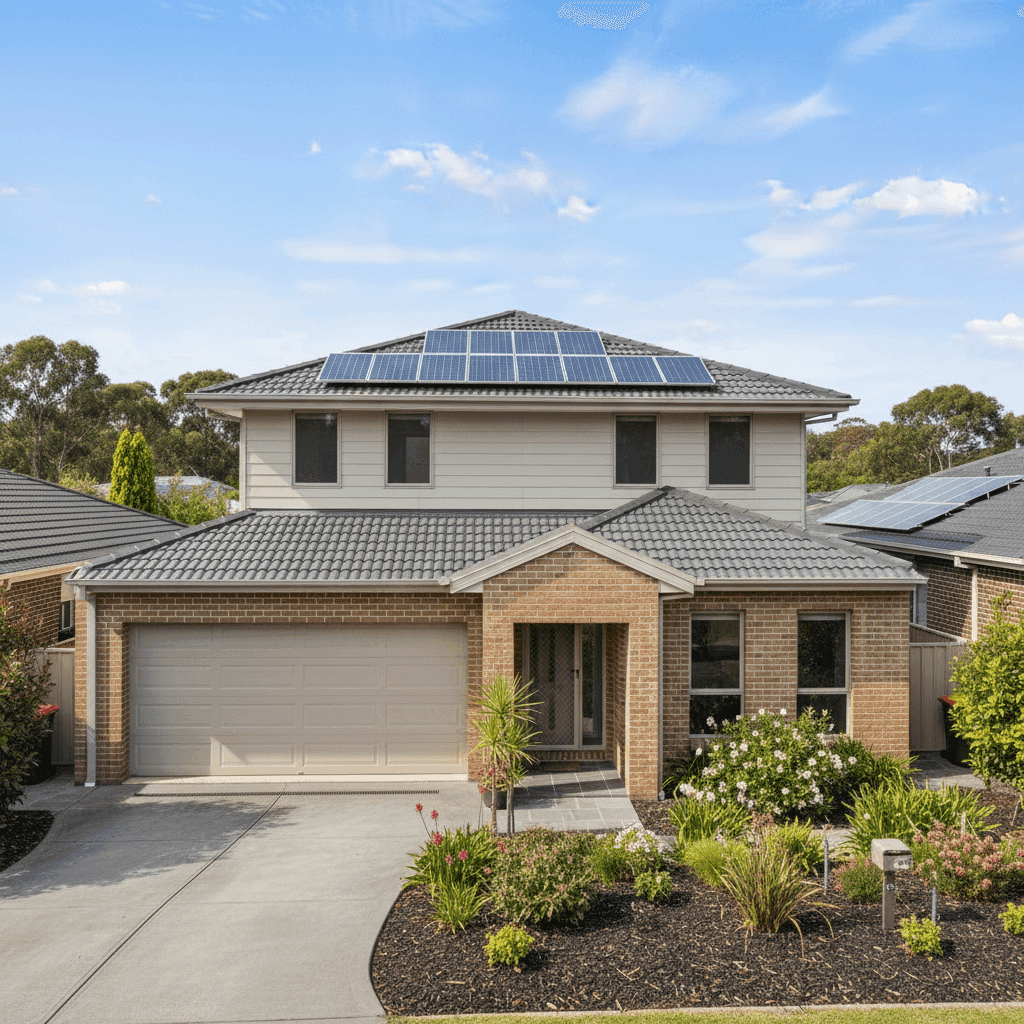
Chirnside Park is a well-established suburb in Melbourne's outer east, sitting within the Yarra Ranges local government area. It's a popular choice for families drawn to its leafy streetscapes, good schools, and relative affordability compared to inner-ring suburbs. For homeowners here, understanding what you should be paying for home and contents insurance — and whether a quote stacks up — is an important part of managing household finances.
This article breaks down a real home insurance quote for a 3-bedroom, 2-bathroom free standing home in Chirnside Park (postcode 3116), comparing it against local, state, and national benchmarks to help you make a more informed decision.
---
Is This Quote Fair?
The annual premium for this property comes in at $1,322 per year (or $138/month), covering both building (sum insured: $550,000) and contents ($65,000). Based on our pricing data, this quote is rated CHEAP — below the suburb average — which is genuinely good news for the homeowner.
To put it in context:
- The suburb average for Chirnside Park is $2,453/year
- The suburb median sits at $2,189/year
- Even the 25th percentile (the cheapest quarter of quotes) is $1,663/year
This quote at $1,322 sits below the 25th percentile, meaning it's cheaper than at least 75% of comparable quotes we've seen in the area. That's a strong result by any measure.
It's worth noting that the building excess is $3,000 and the contents excess is $1,000. A higher excess is one of the most common ways to reduce your premium, so it's worth confirming you're comfortable covering those out-of-pocket costs in the event of a claim before locking in a policy.
---
How Chirnside Park Compares
Zooming out from the suburb level paints an even more striking picture. You can explore the full breakdown on our Chirnside Park insurance stats page.
| Benchmark | Annual Premium |
|---|---|
| This Quote | $1,322 |
| Chirnside Park 25th Percentile | $1,663 |
| Chirnside Park Median | $2,189 |
| Chirnside Park Average | $2,453 |
| Chirnside Park 75th Percentile | $3,279 |
| VIC State Average | $3,000 |
| VIC State Median | $2,718 |
| National Average | $5,347 |
| National Median | $2,764 |
| Yarra Ranges LGA Average | $5,600 |
A few things stand out here. First, the Victorian state average of $3,000/year is notably higher than the Chirnside Park suburb average of $2,453 — suggesting that homes in this pocket of Melbourne's east tend to attract more competitive pricing than many other parts of the state.
Second, the Yarra Ranges LGA average of $5,600/year is significantly higher than the Chirnside Park suburb average. This is likely driven by higher-risk properties elsewhere in the LGA — particularly those in bushfire-prone foothills and ranges areas — pulling the LGA figure up considerably. Chirnside Park itself sits in a lower-risk zone compared to towns like Healesville or Warburton further up into the ranges.
Finally, the national average of $5,347/year reflects the outsized impact of high-risk regions like North Queensland, which face cyclone and flood exposure that dramatically inflates premiums. For homeowners in suburban Melbourne, this figure is a useful reminder of just how variable insurance costs can be across Australia.
---
Property Features That Affect Your Premium
Several characteristics of this particular property work in favour of a lower premium:
Brick Veneer Construction Brick veneer is one of the most common wall materials in Australian suburbia, and insurers generally view it favourably. It offers solid fire resistance and structural durability, which reduces the likelihood and severity of claims compared to timber-framed or weatherboard homes.
Tiled Roof Terracotta or concrete tiles are considered a low-to-moderate risk roofing material. They're durable, fire-resistant, and less susceptible to storm damage than corrugated iron in many scenarios — all factors that can contribute to a more competitive premium.
Slab Foundation A concrete slab foundation is straightforward for insurers to assess and is not associated with the subsidence or moisture risks that can come with older stumped or pier foundations. This contributes to a clean risk profile.
Built in 1999 At around 25 years old, this home is relatively modern. Newer builds are generally better aligned with contemporary building codes, which means improved structural integrity and safety features compared to homes built in the 1970s or earlier.
Solar Panels The presence of solar panels adds some replacement value to the property, and it's important to ensure these are explicitly covered under your building policy. Most standard home insurance policies do cover rooftop solar as part of the building, but it's always worth confirming with your insurer.
Ducted Climate Control Ducted heating and cooling systems are a fixed building asset and should be included in your building sum insured. Underinsuring by forgetting to account for these systems is a common mistake — make sure your $550,000 sum insured reflects the full cost of rebuilding, including all fixed fittings.
No Pool, No Cyclone Risk Zone The absence of a swimming pool removes a common liability and maintenance-related risk factor. And being outside a designated cyclone risk area means this property avoids the significant premium loadings that affect homes in northern Australia.
---
Tips for Homeowners in Chirnside Park
1. Review your sum insured regularly Building costs have risen sharply in recent years due to labour shortages and material price increases. A sum insured of $550,000 for a 153 sqm home is worth double-checking against current construction cost estimates for your area. Being underinsured at claim time can be a costly surprise.
2. Understand your excess before you commit This policy carries a $3,000 building excess — higher than many standard policies. While this helps keep the premium down, make sure you have that amount readily accessible. If a $3,000 out-of-pocket cost would be a financial strain, it may be worth comparing policies with a lower excess, even if the annual premium is slightly higher.
3. Confirm solar panel coverage With solar panels installed, check the policy wording to confirm they're included under the building cover and what events are covered (e.g., storm damage, fire, accidental breakage). Not all policies treat solar the same way.
4. Compare quotes annually Even if you're happy with your current insurer, it pays to shop around at renewal time. The insurance market shifts, and loyalty doesn't always translate to the best price. Tools like CoverClub make it easy to benchmark your renewal quote against the broader market.
---
Find Your Best Rate with CoverClub
Whether you're a first-time buyer or a long-time Chirnside Park resident, making sure you're not overpaying for home insurance is worth a few minutes of your time. CoverClub helps Australian homeowners compare quotes quickly and transparently, so you can see exactly how your premium stacks up. Get a quote today and find out if you're getting the deal you deserve.