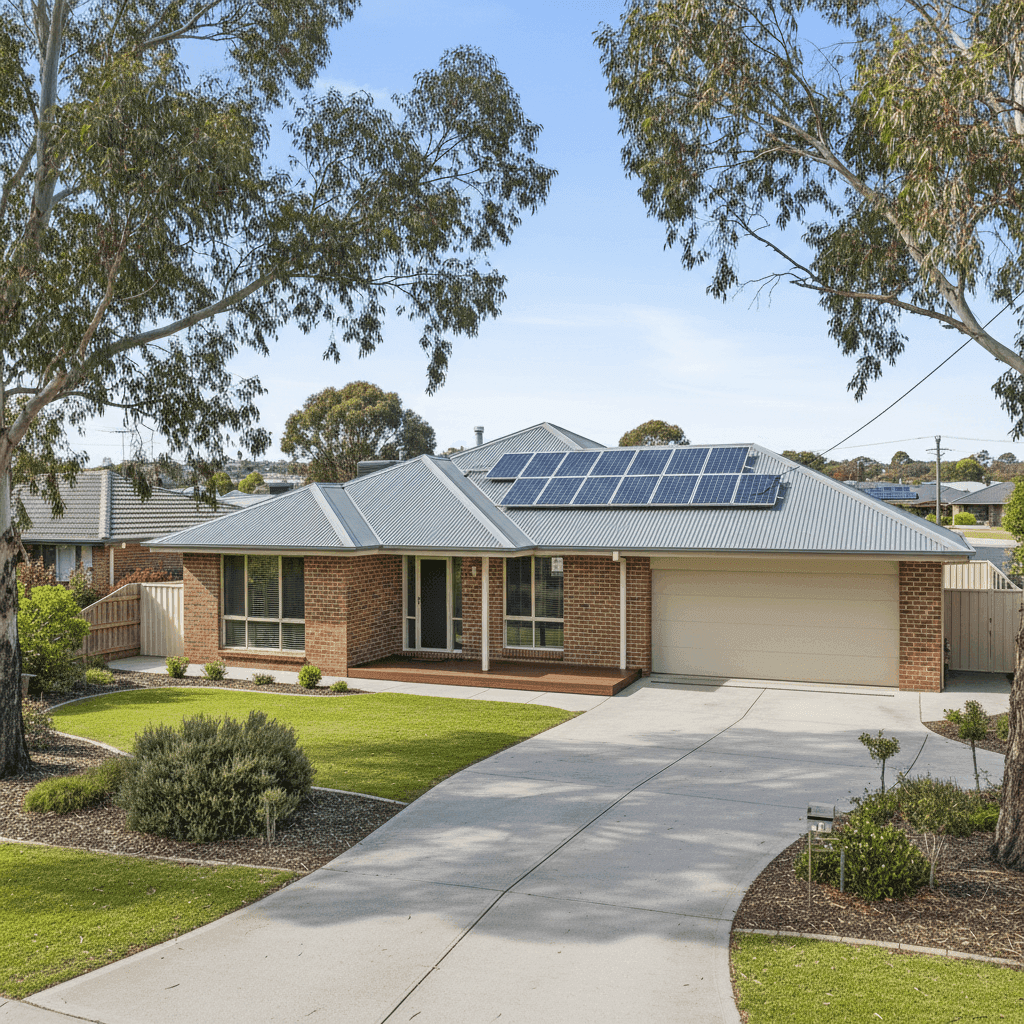
Claremont is a well-established riverside suburb on the outskirts of Hobart, known for its quiet streets, mix of period and contemporary homes, and easy access to the Derwent Valley. If you own a free standing home here, understanding what you should be paying for home and contents insurance — and why — can save you hundreds of dollars each year. This article breaks down a recent quote for a 3-bedroom, 2-bathroom home in Claremont TAS 7011, compares it against local, state, and national benchmarks, and offers practical advice for homeowners in the area.
---
Is This Quote Fair?
The quote in question comes in at $877 per year (or $82/month) for combined home and contents cover, with a building sum insured of $620,000 and contents covered to $50,000. The building excess sits at $2,000 and the contents excess at $1,000.
Based on our pricing data, this quote is rated CHEAP — below average for the area. That's genuinely good news for the homeowner. At nearly $1,100 less than the suburb average of $1,958/yr, this policy represents meaningful savings without necessarily sacrificing cover quality.
It's worth noting that a lower premium doesn't automatically mean better value — the policy terms, inclusions, and exclusions matter just as much as the sticker price. That said, landing well below the 25th percentile for your suburb (which sits at $1,213/yr) suggests this quote is competitively priced by any measure. Homeowners should still review the Product Disclosure Statement (PDS) carefully to ensure the cover aligns with their needs, but from a pure cost perspective, this is a strong result.
---
How Claremont Compares
To put this quote in proper context, here's how Claremont stacks up against broader benchmarks:
| Benchmark | Average Premium | Median Premium |
|---|---|---|
| Claremont (7011) | $1,958/yr | $1,768/yr |
| Tasmania (TAS) | $2,458/yr | $2,272/yr |
| National | $2,965/yr | $2,716/yr |
| Derwent Valley LGA | $2,494/yr | — |
Claremont consistently prices below both the Tasmanian state average and the national average — a reflection of the suburb's relatively low-risk profile. Compared to the national average of $2,965/yr, homeowners in Claremont are paying around 34% less on average, and this particular quote comes in at an extraordinary 70% below the national average.
At the state level, Tasmania's average of $2,458/yr is notably lower than the mainland — largely because the state doesn't face the same cyclone, flood, or bushfire exposures that drive premiums sky-high in Queensland, Northern NSW, or parts of Western Australia. Even so, Claremont sits comfortably below the Tasmanian average, making it one of the more affordable pockets for home insurance in the state.
You can explore detailed pricing data for the suburb at our Claremont insurance stats page, which draws on a sample of 25 quotes from the area.
---
Property Features That Affect Your Premium
Every home is different, and insurers assess a range of property characteristics when calculating your premium. Here's how the features of this particular home are likely influencing the quote:
Brick Veneer Walls & Colorbond Roof
Brick veneer is a popular and well-regarded construction type in Australia. It offers solid structural integrity and reasonable fire resistance, which insurers generally view favourably. Paired with a steel Colorbond roof — durable, low-maintenance, and resistant to corrosion — this combination tends to attract more competitive premiums compared to, say, weatherboard cladding or older terracotta tiles.
Construction Year: 1969
The home was built in 1969, which places it in an era of solid but older construction. Homes of this age can carry some risk around ageing plumbing, wiring, or structural wear, which may push premiums slightly higher than a newer build. However, the brick veneer and Colorbond roof suggest the property has likely undergone some updates over the decades, which can help offset age-related concerns.
Slab Foundation & Timber/Laminate Flooring
A concrete slab foundation is generally considered low-risk by insurers — it's stable and less susceptible to subsidence or pest damage than older pier-and-beam foundations. Timber and laminate flooring, while attractive and common in Tasmanian homes, can be more vulnerable to water damage than tile, which is something to keep in mind when reviewing your contents and building cover limits.
Solar Panels
The presence of solar panels adds some complexity to a home insurance policy. Panels represent a significant asset (often $5,000–$15,000 or more), and it's important to confirm they are included under your building sum insured. Most home building policies do cover rooftop solar, but it's always worth double-checking your PDS. The good news is that solar panels don't typically increase premiums significantly.
No Pool, No Cyclone Risk
The absence of a pool removes a common liability risk factor, and Claremont's location in southern Tasmania means cyclone risk is non-existent — a significant factor in keeping premiums low compared to northern Australia.
---
Tips for Homeowners in Claremont
Whether you're reviewing your existing policy or shopping for the first time, these practical tips can help you get the best outcome:
- Check your building sum insured regularly. With construction costs rising sharply across Australia, your sum insured can quickly become outdated. A 169 sqm home insured for $620,000 may be adequate today, but it's worth recalculating your rebuild cost annually using a building cost estimator. Underinsurance is one of the most common and costly mistakes homeowners make.
- Confirm your solar panels are covered. Ask your insurer explicitly whether your solar system is included in your building cover, and for how much. If it's not listed or the limit seems low, request an endorsement or consider a separate policy.
- Review your excess settings. This quote carries a $2,000 building excess and a $1,000 contents excess. Opting for a higher excess is a common way to reduce your premium, but make sure the excess amount is something you could genuinely afford to pay at short notice in the event of a claim.
- Compare quotes at renewal time. Insurers often reward new customers more generously than loyal ones. Even if you're happy with your current policy, it costs nothing to run a comparison before your renewal date. The savings can be substantial — as this quote demonstrates.
---
Ready to Compare Your Home Insurance?
Whether you're a long-term Claremont resident or new to the area, it pays to know what the market looks like before you commit to a policy. CoverClub makes it easy to compare home and contents quotes from a range of Australian insurers in one place. Get a quote today and see how your current premium stacks up.