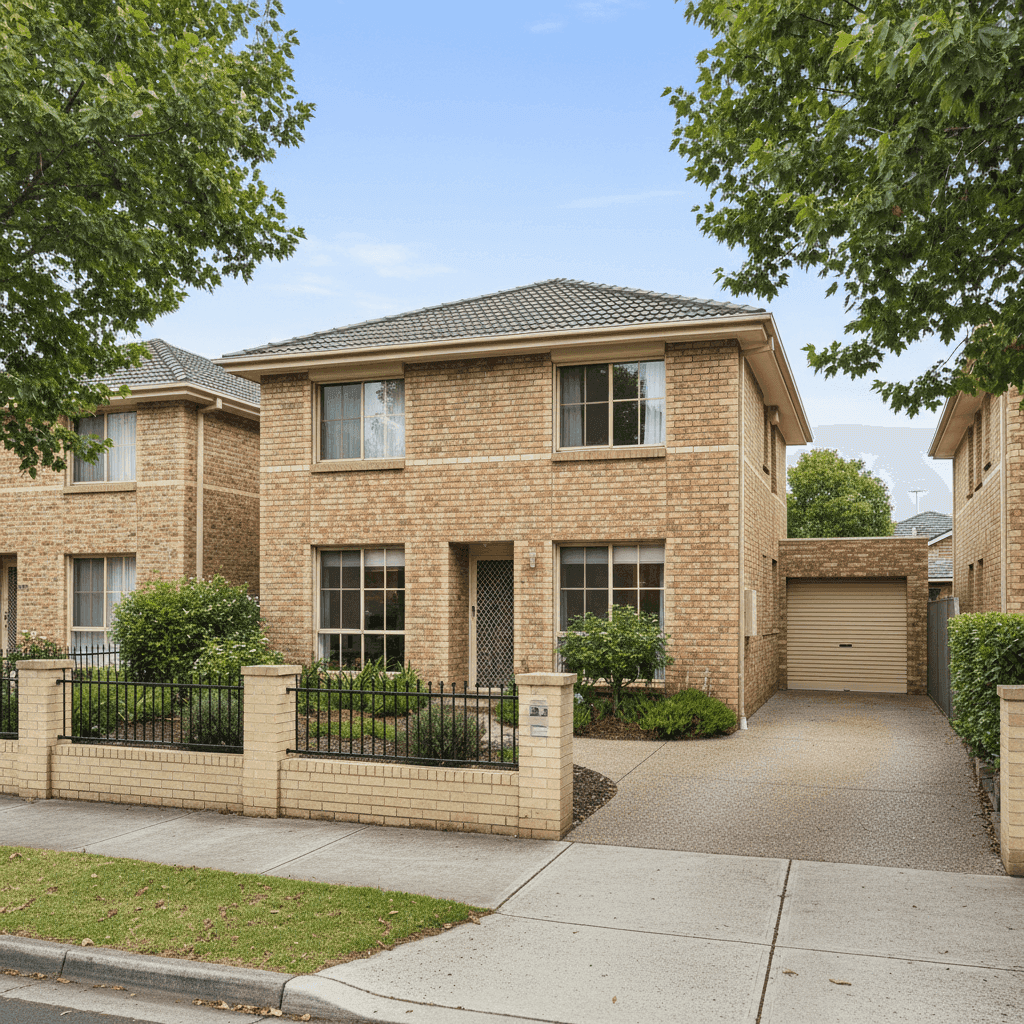
Clayton is a well-established inner-south-eastern suburb of Melbourne, sitting within the City of Monash and home to a diverse mix of housing stock — from post-war brick homes through to modern townhouses and semi detached dwellings. This article breaks down a real building insurance quote for a 3-bedroom, 2-bathroom semi detached property in Clayton (VIC 3168), examining what's driving the price and how it stacks up against local, state, and national benchmarks.
---
Is This Quote Fair?
The short answer: yes — and then some. At $870 per year (or around $81 per month), this building-only quote has been rated CHEAP, meaning it sits well below the average for the area. For context, the suburb average premium in Clayton is $1,442/yr, which means this quote comes in at roughly 40% less than what most Clayton homeowners are paying.
Even measured against the suburb's 25th percentile — the threshold below which only one in four quotes fall — the Clayton suburb average of $1,038/yr is still noticeably higher than this quote. In other words, this is a genuinely competitive result, not just a modest saving.
A building sum insured of $394,000 on a 105 sqm semi detached is reasonable for the rebuild cost of a brick veneer property of this size and age in metropolitan Melbourne. The $2,000 building excess is on the higher side, which typically helps push premiums down — so that's one factor worth keeping in mind. If you'd prefer a lower excess, expect to pay a slightly higher annual premium.
---
How Clayton Compares
To put this quote in proper perspective, here's how Clayton's insurance market compares to the broader landscape:
| Benchmark | Premium |
|---|---|
| This Quote | $870/yr |
| Clayton Suburb Average | $1,442/yr |
| Clayton Suburb Median | $1,452/yr |
| Clayton 25th Percentile | $1,038/yr |
| Clayton 75th Percentile | $1,751/yr |
| LGA (Monash) Average | $1,780/yr |
| VIC State Average | $2,921/yr |
| VIC State Median | $2,694/yr |
| National Average | $2,965/yr |
| National Median | $2,716/yr |
(Based on 90 quotes sampled for the Clayton 3168 postcode)
What stands out immediately is how much lower Clayton's premiums are compared to the Victorian state average of $2,921/yr and the national average of $2,965/yr. Clayton benefits from its location in metropolitan Melbourne — away from high-risk flood plains, cyclone zones, and bushfire-prone regions — which keeps premiums relatively affordable across the board.
The LGA average for Monash ($1,780/yr) sits higher than the Clayton suburb average, suggesting that some neighbouring postcodes within the City of Monash carry more risk or higher rebuild costs. Clayton itself appears to be one of the more favourably priced pockets within the LGA.
---
Property Features That Affect Your Premium
Several characteristics of this particular property work in its favour when it comes to pricing:
Brick Veneer Walls
Brick veneer is one of the most common external wall materials in Melbourne's suburban housing stock, and insurers generally view it favourably. It offers solid fire resistance and durability, which can help moderate premiums compared to weatherboard or lightweight cladding.
Concrete Roof
A concrete tile roof is considered a robust, low-maintenance roofing material. It's resistant to fire and wind damage, and insurers typically price concrete roofs more competitively than older terracotta or corrugated iron alternatives. This is a genuine premium-reducer.
Stump Foundation
The property sits on stumps, which is common for homes built in this era across Melbourne's south-east. Stump foundations can be a mild risk factor — they may require periodic restumping and can be more susceptible to movement — but for a 2001-built property, this is unlikely to be a significant concern for insurers.
Timber/Laminate Flooring
Timber and laminate floors are factored into the building sum insured. They're generally straightforward to assess and don't add unusual complexity to a claim, keeping things simple from an underwriting perspective.
Ducted Climate Control
The presence of ducted climate control is worth noting — it's included in the building sum insured and adds real value to the property. Ensuring the sum insured adequately reflects the cost of replacing this system as part of a full rebuild is important.
Construction Year (2001)
A home built in 2001 is relatively modern by Melbourne standards. It will have been constructed under more stringent building codes than older properties, meaning better structural integrity and materials. This is generally viewed positively by insurers.
No Pool, No Solar Panels, Not in a Cyclone Zone
The absence of a pool and solar panels simplifies the risk profile. Clayton is also well outside any cyclone risk area, which is a significant driver of high premiums in northern and coastal Queensland. These factors all contribute to a cleaner, lower-risk assessment.
---
Tips for Homeowners in Clayton
Whether you're reviewing an existing policy or shopping for the first time, here are four practical steps to make sure you're getting the best value:
- Check your sum insured regularly. Building costs in Melbourne have risen sharply over the past few years. A sum insured of $394,000 for a 105 sqm semi detached may be appropriate today, but it's worth recalculating your estimated rebuild cost annually — especially if you've undertaken any renovations or extensions.
- Consider your excess carefully. This quote carries a $2,000 building excess, which is higher than many standard policies. While it reduces your premium, it also means you'll need to cover more out of pocket in the event of a claim. Think about what you could comfortably afford to pay in a worst-case scenario.
- Don't over-insure — but never under-insure. It can be tempting to keep the sum insured low to reduce premiums, but under-insurance is one of the most common and costly mistakes homeowners make. If a major claim results in a payout that doesn't cover the full rebuild, you'll be left significantly out of pocket.
- Compare quotes at renewal time. The insurance market is competitive, and premiums can vary significantly between providers — even for the same property. The 90 quotes sampled for Clayton show a wide spread, from the 25th percentile ($1,038/yr) to the 75th ($1,751/yr). Shopping around at renewal could save you hundreds of dollars each year.
---
Ready to Compare?
If you own a home in Clayton or anywhere else in Australia, it pays to know where your premium sits relative to the market. CoverClub makes it easy to see how your quote stacks up — just enter your address to get started and find out whether you're paying a fair price or leaving money on the table. You can also explore Clayton suburb insurance data and Victorian state averages to build a clearer picture of what's normal in your area.