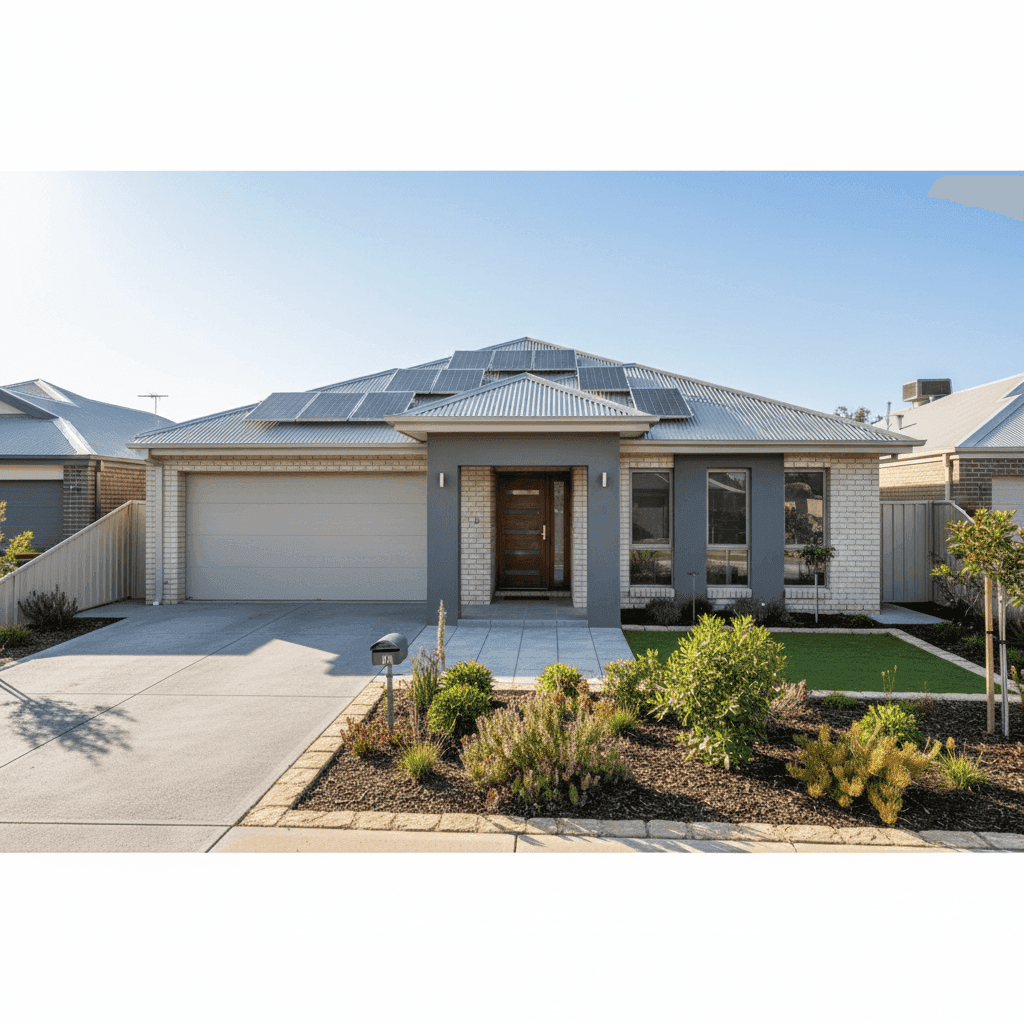
If you own a free standing home in Clearview, SA 5085, you've probably wondered whether you're paying a fair price for home insurance — or quietly overpaying year after year. This article breaks down a real home and contents insurance quote for a four-bedroom property in Clearview, benchmarks it against local, state, and national data, and gives you practical tips to help keep your premiums in check.
---
Is This Quote Fair?
The annual premium for this quote comes in at $1,384 per year (or $135/month) for combined home and contents cover, with a building sum insured of $751,000 and contents valued at $50,000. The building excess is set at $3,000, and the contents excess at $600.
Our price rating for this quote is FAIR — Around Average.
That assessment holds up well when you look at the numbers. The suburb average for Clearview sits at $1,111/year, with a median of $1,094/year. At $1,384, this quote is running a little above the local midpoint — but it's worth keeping in mind that the suburb's 75th percentile reaches $1,455/year. In other words, this premium is well within the normal range for the area, and roughly one in four Clearview homeowners pays a similar amount or more.
Given the relatively high building sum insured ($751,000) and the inclusion of contents cover, a premium that sits modestly above the suburb median is not unreasonable. The "FAIR" rating reflects that while there may be room to shop around, this quote isn't an outlier.
---
How Clearview Compares
One of the most striking things about this quote is just how competitively priced Clearview is relative to broader benchmarks.
| Benchmark | Average Premium |
|---|---|
| Clearview (suburb average) | $1,111/yr |
| Port Adelaide Enfield LGA | $1,444/yr |
| South Australia (state average) | $1,933/yr |
| National average | $2,965/yr |
Clearview homeowners are paying, on average, well below both the South Australian state average of $1,933/year and the national average of $2,965/year. Even this quote — which sits above the suburb median — comes in at less than half the national average. That's a meaningful saving, and it reflects the relatively low-risk profile of the area.
The Port Adelaide Enfield LGA average of $1,444/year provides another useful reference point. This quote sits just below that LGA figure, which again reinforces the "around average" assessment when viewed in its broader geographic context.
It's worth noting that the suburb sample size of 34 quotes gives us a reasonable picture of local pricing, though as always, individual circumstances can shift premiums significantly.
---
Property Features That Affect Your Premium
Several characteristics of this property work in the homeowner's favour from an insurance pricing perspective.
Brick veneer construction is generally well-regarded by insurers in Australia. It offers solid resistance to everyday weather events and is less susceptible to fire spread compared to some lightweight cladding materials. Combined with a steel/Colorbond roof, which is durable, low-maintenance, and performs well in hail events, this home presents a relatively favourable risk profile structurally.
The slab foundation is standard for homes of this era in South Australia and doesn't introduce the kind of subsidence or movement risk that might concern insurers in other regions or with older construction methods.
Built in 2016, this is a comparatively modern home. Newer builds benefit from compliance with more recent building codes, which typically means better waterproofing, electrical safety, and structural integrity — all factors that can moderate insurance costs.
Solar panels are worth flagging. While they add value to the property and can reduce energy costs, they do represent an additional item that may need to be specifically covered under your policy. Always check whether your insurer covers solar panels as part of the building sum insured, or whether they require separate declaration.
Ducted climate control is another feature to verify. As a fixed installation, it's generally covered under building insurance, but it's a costly item to replace and worth confirming it's adequately reflected in your sum insured.
With above-average fittings quality, it's especially important that the $751,000 building sum insured accurately reflects the full cost of rebuilding — not just the market value of the property. Above-average finishes cost more to reinstate, and underinsurance is one of the most common and costly mistakes homeowners make.
---
Tips for Homeowners in Clearview
1. Review your building sum insured regularly Construction costs have risen significantly in recent years across South Australia. A sum insured that was accurate two or three years ago may no longer be sufficient to cover a full rebuild today. Use a building cost calculator or speak with a quantity surveyor to make sure your coverage keeps pace with reality.
2. Check your solar panel coverage With solar panels on the roof, confirm with your insurer exactly how they are covered. Some policies include them automatically as part of the building; others treat them as a separate item. Knowing this now avoids a nasty surprise at claim time.
3. Consider your excess trade-off This policy carries a $3,000 building excess — which is on the higher end. A higher excess typically reduces your annual premium, but it also means a larger out-of-pocket cost if you need to claim. Think about whether this level of excess suits your financial situation, and compare quotes with different excess options to find the right balance.
4. Shop around at renewal time Even a "FAIR" rated quote leaves room for improvement. Insurers adjust their pricing models regularly, and loyalty doesn't always pay. Comparing quotes annually — particularly through a platform like CoverClub — takes only a few minutes and could reveal a meaningfully cheaper option for equivalent cover.
---
Compare Your Options with CoverClub
Whether you're reviewing an existing policy or shopping for the first time, CoverClub makes it easy to see how your quote stacks up. Get a home insurance quote today and compare it against real data from your suburb, your state, and across Australia — so you can make a confident, informed decision about your cover.