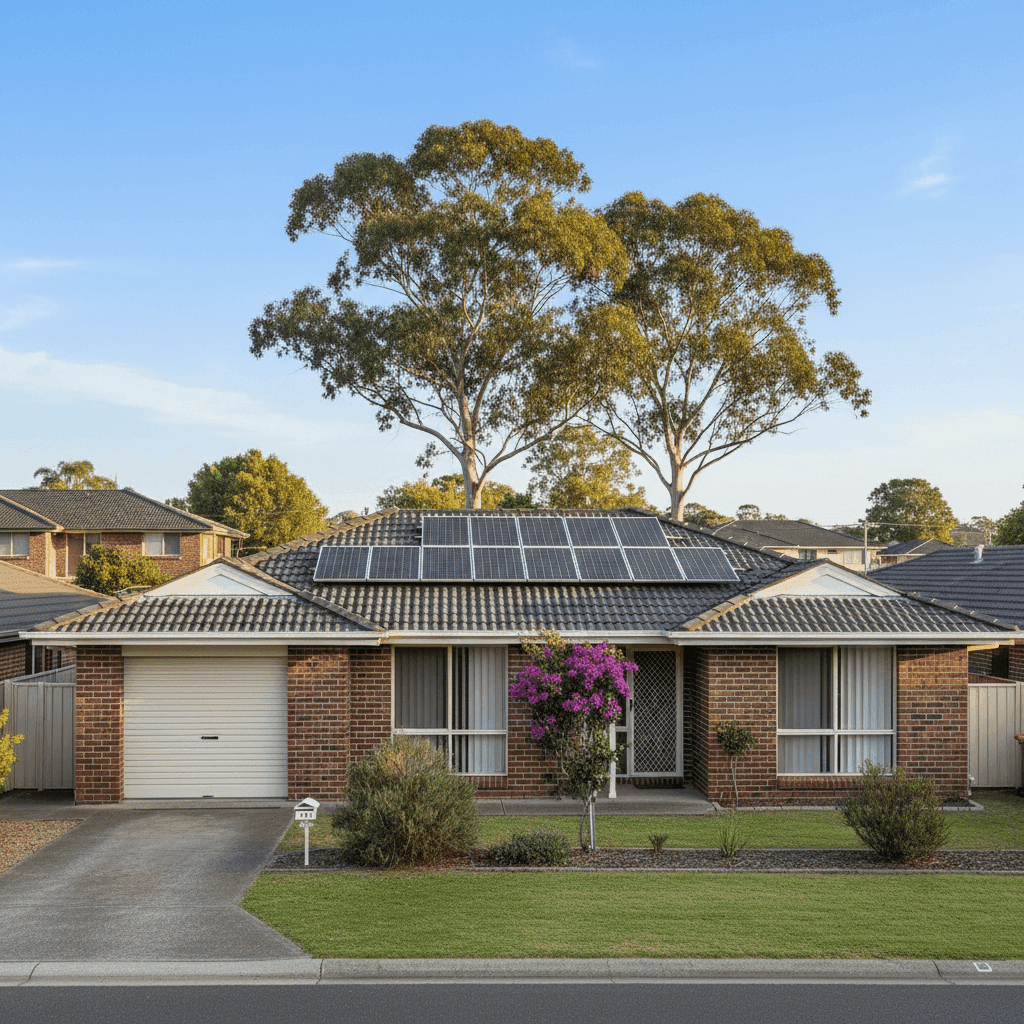
Cleveland, QLD is a well-established bayside suburb on the Redland Coast, popular with families and long-term owner-occupiers alike. If you own a free standing home here, understanding what you should be paying for building insurance — and why — can save you hundreds of dollars a year. This article takes a close look at a real building-only insurance quote for a 3-bedroom, 2-bathroom brick veneer home in Cleveland (postcode 4163), built in 1981, and puts the numbers in context against suburb, state, and national benchmarks.
---
Is This Quote Fair?
The quoted annual premium of $3,485 (or $334/month) for building-only cover with a $1,000 excess on a $350,000 sum insured has been rated FAIR — Around Average. That's a reasonable result in a suburb where premiums can vary enormously depending on the insurer, the property's characteristics, and how the risk is assessed.
To put it plainly: this quote sits just below the Cleveland suburb median of $3,540/yr, which means roughly half of comparable quotes in the area come in higher. It's not a standout bargain, but it's also not inflated. For a homeowner who values certainty and a reputable policy, this is a defensible price — though there may still be room to do better.
One important caveat: "fair" doesn't mean "the best available." The spread of premiums in Cleveland is wide (more on that below), which means shopping around remains worthwhile.
---
How Cleveland Compares
The pricing data for Cleveland tells an interesting story. Based on a sample of 60 quotes from the suburb, here's how this quote stacks up:
| Benchmark | Premium |
|---|---|
| This Quote | $3,485/yr |
| Suburb 25th Percentile | $2,383/yr |
| Suburb Median | $3,540/yr |
| Suburb Average | $4,686/yr |
| Suburb 75th Percentile | $6,498/yr |
| LGA (Redland) Average | $3,178/yr |
| QLD State Median | $3,903/yr |
| QLD State Average | $9,129/yr |
| National Median | $2,764/yr |
| National Average | $5,347/yr |
A few things stand out here. First, the Queensland state average of $9,129/yr is dramatically higher than what Cleveland homeowners typically pay. This is largely driven by high-risk cyclone and flood zones in Far North Queensland pulling the state average upward. Cleveland, sitting in the south-east corner of the state, benefits from a more moderate risk profile.
Second, the suburb average of $4,686 is noticeably higher than the median of $3,540 — a sign that a subset of properties in Cleveland attract significantly elevated premiums, skewing the average upward. This quote, sitting just under the median, suggests the property's risk profile is being assessed reasonably.
Compared to the national median of $2,764, this quote is higher — but that's not unusual for Queensland, where weather-related risk (storm, hail, and flood) tends to push premiums above the national midpoint. The Redland LGA average of $3,178 is actually lower than this quote, which could indicate some room to negotiate or shop around within the local market.
---
Property Features That Affect Your Premium
Every detail of a property feeds into how an insurer calculates risk. Here's how the key features of this home influence the premium:
Brick Veneer Walls Brick veneer is generally viewed favourably by insurers. It's more fire-resistant than timber weatherboard and holds up well in storm conditions. This construction type typically attracts lower premiums than full-timber or clad homes.
Tiled Roof Concrete or terracotta tiles are considered a durable roofing material, though they can be vulnerable to hail impact and cracking over time. Compared to Colorbond steel, tiles may attract a slight premium loading — but they're still regarded as a standard, insurable roofing type.
Built in 1981 A home approaching its mid-forties carries some age-related risk. Older homes may have ageing plumbing, wiring, or structural elements that increase the likelihood of a claim. Insurers typically factor construction year into their pricing models, and a 1981 build may attract a modest loading compared to newer construction.
Slab Foundation A concrete slab is a stable, widely accepted foundation type in Queensland. It generally doesn't attract any negative loading and is considered low-risk from a structural perspective.
Timber and Laminate Flooring While flooring type has a more limited impact on building insurance compared to walls and roof, timber and laminate floors can be more susceptible to water damage than tiles. This is worth keeping in mind if you ever consider upgrading to contents cover.
Solar Panels This property has solar panels, which are typically included in building cover as a fixed structure. However, not all policies treat them the same way — some require specific endorsement or have sub-limits for solar systems. It's worth confirming your policy explicitly covers solar panel replacement, including damage from hail or storm.
Ducted Climate Control Ducted air conditioning is a significant fixed asset and is generally covered under building insurance. Given the Queensland climate, this is a valuable inclusion to verify in your policy's schedule.
---
Tips for Homeowners in Cleveland
1. Confirm your solar panels are explicitly covered Solar panel systems can represent $8,000–$20,000 or more in value. Don't assume they're covered — check your policy's product disclosure statement (PDS) for any sub-limits or exclusions related to solar.
2. Review your sum insured annually Building costs in Queensland have risen sharply in recent years. A $350,000 sum insured may have been adequate when the policy was first taken out, but construction cost inflation means your rebuild cost could be higher today. Use a building cost calculator or speak to a local builder to sense-check your coverage level.
3. Shop the market every renewal The spread between the 25th percentile ($2,383) and 75th percentile ($6,498) in Cleveland is enormous. That $4,000+ gap means the same property can attract wildly different quotes depending on the insurer. Set a reminder to compare quotes at least 30 days before your renewal date.
4. Consider your excess carefully This policy carries a $1,000 building excess. Opting for a higher excess (say, $2,000) can reduce your annual premium, which makes sense if you have the financial buffer to cover a larger out-of-pocket cost in the event of a claim. Conversely, if cash flow is tight, a lower excess may be worth paying slightly more for.
---
Ready to Compare?
Whether you're renewing soon or just curious about where your current premium sits, CoverClub makes it easy to see how your quote stacks up. Get a building insurance quote for your Cleveland home and compare it against real data from your suburb in seconds. You can also explore the full Cleveland insurance stats to see how premiums in your postcode are trending.